Metallic vs Rayon Embroidery Thread: Practical Guide to Choosing What Works
This post contains affiliate links. As an Amazon Associate, Latest Embroidery earns from qualifying purchases, at no extra cost to you. Learn more.
Struggling to pick the right thread for your embroidery projects? You’re not alone. It’s a common challenge for both beginners and seasoned crafters alike. The choice between metallic and rayon threads can feel overwhelming, each offers unique benefits, but also comes with its own set of quirks and pitfalls. If you’ve ever wondered why one project doesn’t pop the way you envisioned, it might be due to the thread you selected. And truth be told, that choice impacts everything from the project’s appearance to its durability.
Imagine spending hours on a detailed design only to find that the thread doesn’t hold up or that it doesn’t shine as brightly as you hoped. Understanding the ins and outs of these threads, such as how metallic threads add a glamorous shimmer versus how rayon offers a softer, more vibrant finish, can significantly elevate your work. Additionally, knowing how to care for each type can prolong the life of your embroidery, ensuring it remains in excellent condition for years to come.
This article aims to clear up the confusion with practical tips, backed by industry insights. Whether you’re a hobbyist or a professional, mastering the art of choosing the right thread makes all the difference. Ready to discover what works best for your style and project needs? Let’s dive in and unravel the glossy details of metallic and rayon embroidery threads.
Step-by-Step: Choosing the Right Thread for Your Project
Short on time? If you only take one thing from this guide: 40wt polyester thread set — the single cheapest fix for shredding and thread breaks.
Browse options on Amazon → or see all thread picks ↓
Embroidery threads come in a variety of types, but when it’s time to pick between metallic and rayon threads, it helps to follow a few practical steps. Think of it like choosing the right tool for a specific stitch or effect, each has its own strengths and ideal uses. I’ve learned through years of experience that understanding the project’s goal, durability needs, and the application area makes all the difference.
Let’s walk through a simple and effective process to help you make that choice with confidence. First, assess your design: does it need a reflective, shiny finish to catch the light? If yes, metallic thread will give your work that dazzling sparkle. For a more cohesive, smooth background, rayon offers a luxurious look without overwhelming the design.
Assess Your Design and Durability Needs
If your project involves items that will be washed frequently or exposed to sunlight, durability becomes a crucial factor. Rayon thread provides better longevity and colorfastness compared to metallics, which tend to tarnish or fray with repeated washing. Consider your fabric type as well; lighter textiles, such as chiffons or silks, pair beautifully with rayon, while metallics are fantastic for accents on sturdy fabrics.
Test Before Committing
Nothing beats a quick test run on scrap fabric. Run sample stitches at your embroidery machine’s recommended tension, usually around 50-55 for rayon, and a slightly reduced tension for metallics to prevent breakage. Use the correct needle size, such as 75/11 or 90/14, especially when working with metallic thread, which can be more prone to breaking. This little step saves frustration later and helps you troubleshoot tension or tension issues upfront.
Pricing and Care Considerations
Let’s not forget about cost, generally, metallic threads can be about twice as expensive as rayon for the same length of thread. For example, around 5, 000 stitches might cost roughly $3 for rayon versus about $8 for metallic. Therefore, if your project requires numerous metallic accents, budgeting ahead is advisable. Also, follow care instructions: metallics love gentle handling, avoid harsh chemicals, and store spools in a dry, airtight container to prevent tarnishing. Rayon should be washed in cold, gentle cycles for the best preservation.
By taking these steps, considering design, testing, evaluating costs, and caring properly, you’ll master choosing the perfect thread for every embroidery project. It’s all about matching the thread to your specific goals and fabric choices, making your finished piece both beautiful and durable.
Tools, Equipment, and Techniques for Working with Metallic and Rayon Threads
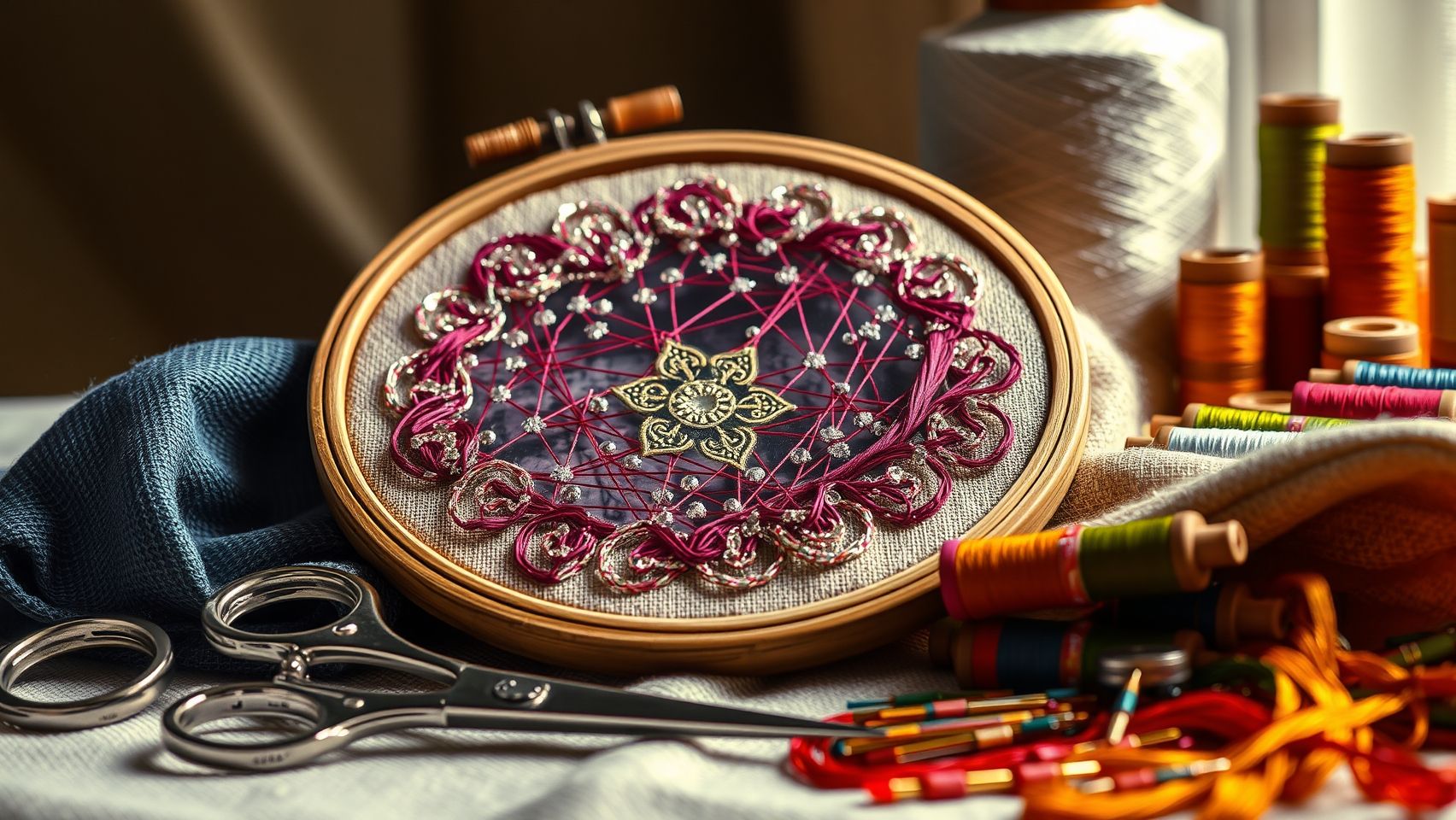
Embroidery with metallic and rayon threads can elevate your projects with shimmer and vibrant color, but it requires specific tools and techniques to achieve the best results. Having the right equipment, proper machine settings, and certain tricks up your sleeve will make your stitching smoother and more professional-looking. Let’s walk through what every embroiderer needs to know to work efficiently with these gorgeous threads.
Recommended Machines and Settings
When choosing an embroidery machine for use with metallic or rayon threads, focus on models known for their precision and gentle handling, such as the Brother SE1900, Janome Memory Craft 500E, or Bernina 590. These machines are praised for their smooth operation and adjustable tension controls, which are critical when working with delicate threads. Always test your settings on scrap fabric first to avoid surprises.
Set your tension lower than usual, metallic threads, in particular, require less tension to prevent breakage. Increase stitch length slightly, aiming for around 2.5-3mm, to ensure even coverage and reduce thread shredding. Using stabilizers like light cutaway or tear-away fabric provides added support, preventing puckering and ensuring crisp stitches. For metallic threads, slow stitching speeds help maintain control and reduce tangles.
Tools and Techniques for Optimal Results
Choosing the right needle makes a world of difference: a universal or metallic needle in size 75/11 or 90/14 will prevent unnecessary thread breakage and tangling. Additionally, thread conditioners or beeswax are invaluable, they help reduce static and fraying, saving you time spent troubleshooting thread snarls. When working with metallic threads, use a sharp needle and handle them with care to avoid frays caused by rough threading.
Machine maintenance is also key, clean lint regularly, especially after embroidery with metallic threads, to prevent build-up that can cause tension issues or breakage. Lastly, stitch at a slower speed to keep control, and adjust bobbin tension if your stitches are skipping or tangling. These small steps can dramatically improve your metallic and rayon embroidery experience, making the process more enjoyable and your results more polished.
Care, Maintenance, and Long-Term Storage of Metallic and Rayon Threads
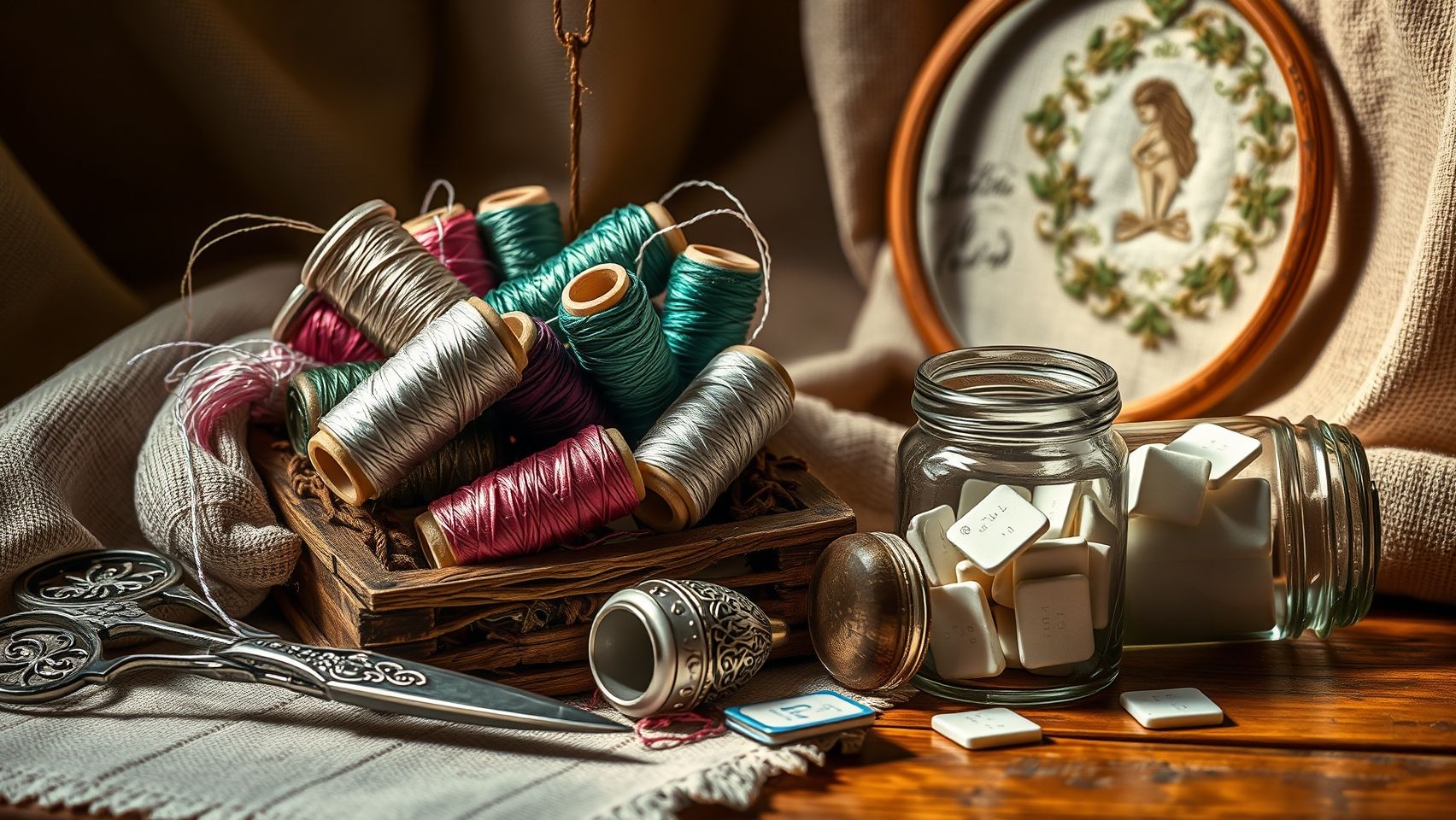
Taking proper care of your embroidery threads after completing a project is essential to keep them looking vibrant and to extend their lifespan. Whether you’re working with metallic or rayon threads, the proper storage and maintenance techniques can make all the difference, helping you enjoy your handiwork for years to come.
Start by cleaning your threads before storing them. Dust, lint, and residues can settle on threads over time, dulling their appearance. Use a soft brush or an air blower to remove any debris gently. For metallic threads, storing in a dry, airtight container with silica gel packets helps prevent moisture that can cause tarnishing. Rayon threads, on the other hand, should be kept in a cool, dark place to preserve their vivid colors and prevent fiber degradation.
Handling Finished Embroidery Items
When washing embroidered pieces, handle metallic threads with extra care by using a gentle hand wash and avoiding harsh detergents that can damage the delicate fibers. For rayon, machine wash on a delicate cycle in cold water to minimize color fading. Always allow your finished embroidery to air dry, heat from dryers or irons can cause shiny metallic threads to tarnish and rayon to shrink or lose its luster.
Periodic Inspection & Troubleshooting
Make it a habit to periodically check stored threads for any signs of tarnish, fading, or fiber degradation. Address issues early by replacing affected threads, ensuring your work remains stunning. Also, avoid using fabric softeners, as they can weaken the fibers, especially in rayon threads. With attentive care, your embroidery supplies will stay as beautiful as the day you bought them, ready to bring your next project to life.
Comparing Metallic and Rayon Threads: Pros, Cons, and Best Uses
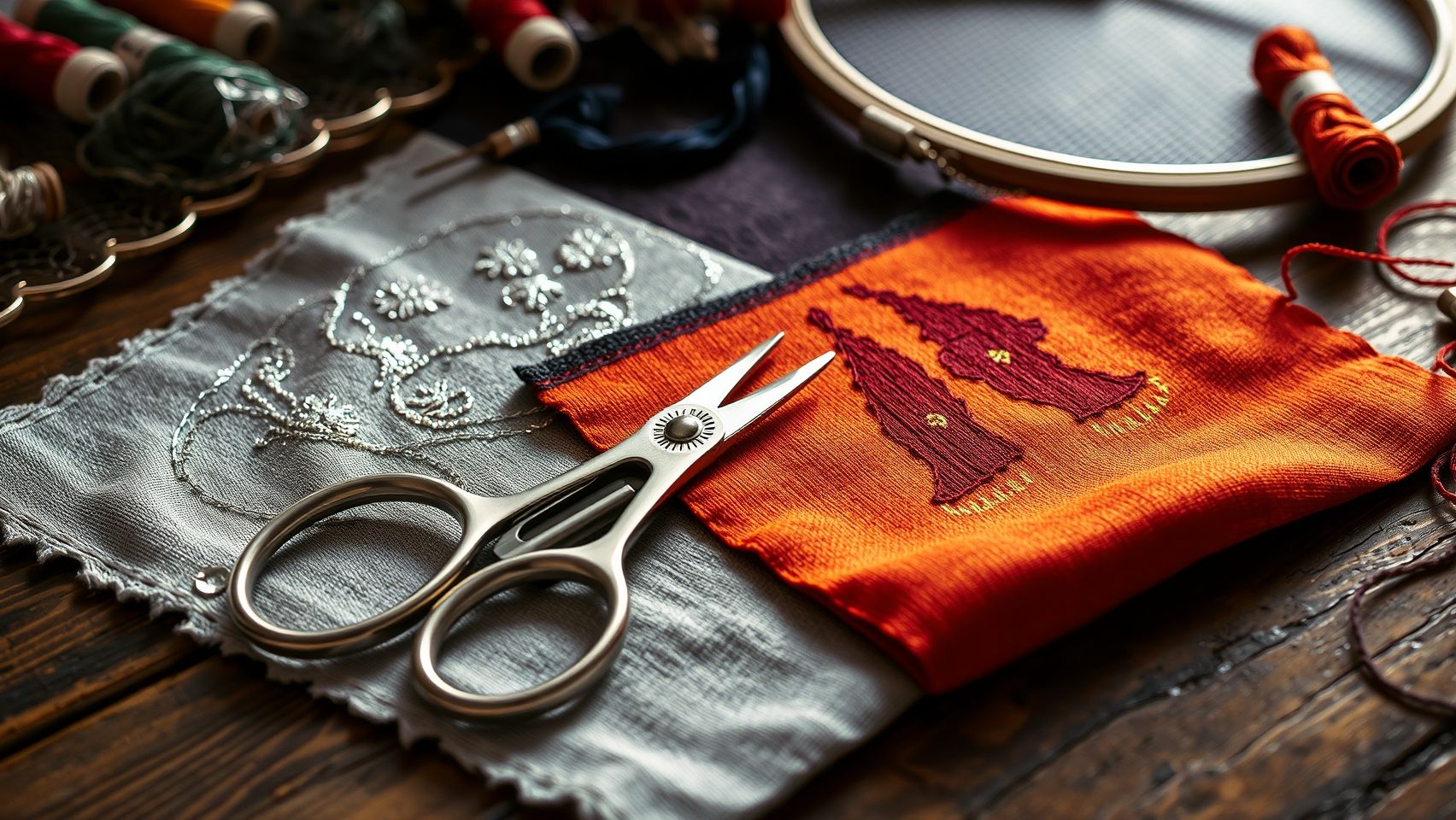
Embroidery threads come in many varieties, but metallic and rayon are two of the most popular choices among crafters. Each has its unique qualities that can dramatically influence the look and feel of your projects. Choosing between them may seem daunting at first, but understanding their advantages and limitations helps you make informed decisions. Whether you’re working on a festive holiday piece or a delicate wedding gown, knowing which thread to use can save you time and frustration in the long run.
Metallic Threads: Pros and Cons
Metallic threads bring a shimmering, high-end aesthetic that instantly elevates any embroidery. They are perfect for accents on holiday ornaments, wedding details, or luxurious fashion accessories where visual impact is essential. The pros include their bright, reflective shine and their ability to add a touch of elegance that’s hard to replicate with other threads. However, the cons are equally notable: metallic threads tend to be more expensive and can be tricky to work with. Many embroiderers report tissues with tangling or tarnishing after prolonged use. Plus, metallics often fray more easily, which can make stitching a bit frustrating, a technique that benefits from patience and sharp needles.
Rayon Threads: Pros and Cons
Rayon threads, on the other hand, are celebrated for their vibrant, rich colors and smooth finish. They’re the workhorse of embroidery, versatile, durable, and generally easier to handle. Rayon is excellent for creating detailed designs on clothing, quilting, or everyday accessories that will be subjected to regular washing. Still, they have drawbacks: over time, exceptionally if not correctly cared for, rayon can fade or lose its sheen. It’s worth investing in high-quality rayon for projects that require longevity, but it remains a favorite for its cost-effectiveness and ease of use. Many embroiderers find that rayon’s shiny appearance on the fabric adds a professional touch without the fuss of metallics.
Using Both: A Practical Combo
Many experienced crafters enjoy combining metallic and rayon threads in their projects. For example, metallic in small accents on a rayon background can create a sophisticated, layered look that’s both eye-catching and durable. This approach enables you to combine the best of both worlds, luxury and practicality, without overspending. When working on large projects, rayon’s cost-effectiveness makes it the go-to material for prominent stitching, while metallics serve as stunning highlights for special details. With a bit of practice, blending the two can produce results that look professionally finished with minimal stress.
Cost and Market Trends
Recent industry data shows that despite their higher price, metallic threads remain popular for special projects, with 65% of users opting for them in high-impact designs. Conversely, 70% of embroiderers prefer rayon for everyday wearables, thanks to its balance of affordability and quality. Advances in thread manufacturing continue to improve the quality and ease of use for both types, making embroidery more accessible and satisfying. Choosing between metallic and rayon ultimately depends on your specific project goals, budget, and personal experience, though, as many seasoned artisans will tell you, having both in your toolkit opens up a world of creative possibilities.
Conclusion
As you’ve explored in this article, choosing between metallic and rayon embroidery threads ultimately depends on your project’s goals and the visual effects you wish to achieve. Metallic threads bring a striking shine and a touch of luxury, perfect for embellishments that need to catch the eye. Conversely, rayon threads are celebrated for their durability, vibrant colors, and smooth finish, making them a reliable choice for everyday embroidery that lasts.
Remember, developing your skills in handling each type, understanding their unique behaviors and care, will extend their lifespan and enhance the quality of our finished pieces. Patience and practice are key, especially with metallic threads, which can be more finicky but immensely rewarding when mastered. Incorporate proper storage practices to keep your threads in top condition and ensure your beautiful embroidery withstands the test of time.
Now, I encourage you to test both thread types on scrap fabric, adjust your machine settings, and observe how they perform in real-world conditions. This hands-on approach will help you build confidence and choose the perfect thread for your future projects. Continue experimenting, and let your embroidery journey evolve with passion and purpose. After all, every stitch you make is a step closer to mastering this timeless craft, and that truly makes all the difference.
Happy stitching! Let your creativity shine as brightly as your threads, and remember: the art of embroidery is a continuous journey that rewards patience, practice, and a willingness to explore new textures and techniques. Your next masterpiece awaits!