Printful vs. Printify vs. Gelato: Choose Your POD Embroidery Service
I’m here to help you craft the perfect introduction for your article comparing Printful, Printify, and Gelato for print-on-demand embroidery services.
Here’s a draft that incorporates your requirements:
“`html
Are you looking to elevate your brand with custom embroidered products but unsure which print-on-demand (POD) service offers the best embroidery solution? This comprehensive comparison dives deep into Printful, Printify, and Gelato, examining their offerings, quality, pricing, and more, to help you make an informed decision. The demand for personalized and high-quality custom apparel is on the rise, with the global embroidery market projected to reach over $7.88 billion by 2034 [12]. Embroidery offers a premium, durable finish that digital prints often can’t match [15]. In this article, we’ll dissect the landscape of POD embroidery services by comparing Printful, known for its extensive product range and diverse embroidery types [1, 2, 3], Printify, which leverages a vast network of global providers for flexibility [2, 3], and Gelato, which emphasizes precision and a streamlined production process [10, 13, 31]. We will explore key comparison points such as free digitizing, product catalogs, stitching quality, profit margins, integration capabilities, and shipping efficiency. By the end of this guide, you’ll gain actionable insights to confidently choose the right POD embroidery partner to bring your brand’s vision to life.
“`
Printful vs. Printify vs. Gelato: Choose Your POD Embroidery Service
Navigating the world of print-on-demand (POD) embroidery requires understanding the distinct approaches each provider takes. Printful, Printify, and Gelato offer embroidery services, but their methodologies in pricing, product selection, and user integration vary significantly. This section will break down these key differentiators to help you select the best fit for your business.
The embroidery market continues to grow, driven by a consumer demand for personalized and high-quality apparel. Key trends include the increasing popularity of embroidered logos on corporate wear and the rise of custom embroidered accessories. Understanding how POD services cater to these trends is crucial for success.
Core Embroidery Offerings and Digitizing Policies
Printful provides a broad spectrum of embroidery products. Their standard design digitization fee typically ranges from $2.95 to $6.50 per design. This fee can be waived for sample orders if you are on their Growth Plan, or for bulk orders exceeding 25 items. Printify also offers custom embroidery, though some users find its design integration challenging, and stitching alignment can sometimes be a concern.
Gelato is recognized for its quality prints and efficient shipping. However, some reviews point to potential issues with order fulfillment and quality control. Specifically, Gelato’s embroidery options may be limited, with occasional reports of designs appearing blurry or lacking the desired detail. One user noted that Gelato’s embroidery tools might restrict specific design aesthetics.
Product Catalog Breadth for Embroidered Items
Printify’s embroidery services are more restricted, primarily available on hats, patches, and direct-to-garment placements on sweatshirts or polos, often utilizing a flat stitch rather than a raised one. In contrast, Printful generally offers a wider variety of apparel and accessories suitable for embroidery.
Printful’s pricing for embroidery is often higher than for other decoration methods like Direct-to-Garment (DTG) printing. For instance, a Unisex Crew Neck Sweatshirt with standard embroidery might cost $24.30, compared to $22.50 for a DTG print on the same item. This price difference reflects the specialized nature and perceived value of embroidered designs.
Initial User Experience and Ease of Integration
When considering the initial setup, Printful is often praised for its user-friendly interface and straightforward integration with e-commerce platforms. Printify, while offering a vast network of print providers, can sometimes present a steeper learning curve for design implementation, particularly for embroidery. Gelato aims for a seamless user experience, though the limitations in their embroidery design tools, as reported by some users, might impact the initial creative process for those seeking highly specific or intricate designs.
A comparison of their embroidery capabilities reveals distinct strengths and weaknesses:
Printful vs. Printify vs. Gelato: Choose Your POD Embroidery Service
When venturing into the world of custom apparel, the quality of embroidery can make or break a brand’s reputation. Each print-on-demand (POD) embroidery service offers a unique proposition, but understanding the nuances of stitch quality, thread durability, and user experiences is crucial for making an informed decision. This section delves into the embroidery offerings of Printful, Printify, and Gelato, dissecting user feedback and providing practical advice to help you achieve superior results.
The global embroidery market continues to see steady growth, driven by demand for personalized items and corporate branding. As this market expands, so does the importance of reliable and high-quality embroidery services that can meet diverse customer expectations. Ensuring your chosen provider can consistently deliver sharp, durable, and aesthetically pleasing embroidery is paramount to customer satisfaction and brand loyalty.
Embroidery Quality: Stitching, Durability, and User Experiences
Evaluating embroidery quality involves looking beyond the initial appearance to consider the longevity and potential issues that may arise. User experiences offer valuable insights into the real-world performance of these services, highlighting both their strengths and weaknesses. Understanding common pitfalls and best practices can significantly mitigate risks and lead to a more professional final product.
Printful: A Mixed Bag of Reviews
Printful’s embroidery quality has garnered a spectrum of opinions. While some customers have reported positive experiences, rating the embroidery quality as ‘Great’, others have found it to be ‘subpar’ and ‘horrible’. Specific complaints include unusable neon colors, which can be a significant issue for brands relying on vibrant palettes, and problems with the backing material, such as awful backing application and poor cutting of excess material. These issues suggest potential inconsistencies in their production process, which can be particularly challenging for intricate designs or specific color requirements.
Printify: Design Challenges and Blurriness
Printify’s embroidery service has also faced user scrutiny. One common observation is that embroidery can be a challenging design element to implement effectively, sometimes appearing blurry. This can be attributed to various factors, including the resolution of the design files provided and the limitations of translating digital designs into physical stitches, especially on textured fabrics. The platform’s reliance on a network of print providers means quality can vary, making it essential to review samples and provider-specific feedback.
Gelato: Praised for Hats, but with Quality Control Concerns
Gelato has received commendations for its embroidery, particularly on knit hats, which a user described as ‘fantastic’. The overall product quality and the sharpness of the design printing were highlighted positively. However, even with positive feedback, some users have noted issues, such as color misplacement, leading to a ‘very decent’ but not perfect result. A critical point raised is that Gelato’s quality control might have a ‘general disregard’ for minor imperfections, which could be a concern for highly detail-oriented designs or brands with strict aesthetic standards.
Common Embroidery Mistakes and Best Practices
Several common mistakes can detract from embroidery quality, regardless of the service provider. These include pilling or fraying, often caused by old needles or the use of craft thread instead of dedicated embroidery thread. Tangled or clumpy threads can result from incorrect bobbin tension or thread quality. Fabric puckering is a frequent issue stemming from improper hooping – either too loose or too tight – and can also be exacerbated by using the wrong needle size for the fabric.
To ensure the best possible embroidery output, adherence to best practices is crucial:
- Proper Hooping: Ensure the fabric is taut, secure, and correctly aligned in the embroidery hoop to prevent movement and puckering.
- Needle Maintenance: Change embroidery needles regularly. Dull or damaged needles can cause skipped stitches, thread breakage, and fabric damage.
- Bobbin Tension: Check and adjust bobbin tension as needed. Incorrect tension can lead to loops on the back or front of the embroidery, or thread breakage.
- Thread Selection: Use appropriate thread types. Polyester threads, such as Isacord Polyester Thread, are recommended for their excellent durability and colorfastness, making them ideal for items that will be washed frequently. For designs requiring a high sheen, Madeira Rayon Thread is a popular choice, though it may be less durable than polyester.
Troubleshooting Embroidery Quality Issues
When embroidery quality falls short, systematic troubleshooting can identify the root cause. If you encounter pilling or fraying, assess the age of the needles and the type of thread being used; consider upgrading to higher-quality, durable embroidery threads like polyester. For tangled threads, double-check the bobbin tension and ensure the top thread is correctly seated in the tension discs. If fabric puckering is the main concern, re-evaluate your hooping technique and ensure the fabric is stretched evenly and firmly. For issues like color inaccuracies or poor backing application, direct communication with the POD service provider is often the most effective solution, potentially requiring revised design files or specific instructions.
The choice of embroidery service ultimately depends on your specific needs, design complexity, and tolerance for potential quality variations. By understanding these factors and implementing best practices, you can significantly improve the likelihood of receiving high-quality embroidery that elevates your brand.
Maximizing Profit Margins: Pricing Strategies for Embroidered Products
Embarking on a print-on-demand (POD) embroidery business requires a sharp focus on financial strategy to ensure profitability. Understanding your costs, setting competitive yet lucrative prices, and leveraging the inherent value of embroidery are crucial steps to success. This section delves into the core financial considerations for selling embroidered products, providing a roadmap to healthy profit margins.
The perceived quality and customizability of embroidery often allow for higher price points compared to other customization methods. By strategically pricing your products, you can capitalize on this premium appeal and achieve substantial profit margins in the competitive POD market.
Understanding Your Total Costs
Before you can set a profitable price, a comprehensive understanding of all associated costs is essential. This includes the base cost of the product itself, any one-time digitization fees for your embroidery designs, shipping expenses, and any platform or transaction fees. For instance, if you’re using a platform like Etsy, you’ll need to factor in their transaction fees, which are typically around 6.5%.
When calculating total costs, consider all components: the base product price from your POD provider, the shipping cost charged by the provider, and any fees imposed by your sales platform. Don’t forget to account for potential marketing expenses, which can significantly impact your net profit. Accurately tallying these elements provides a clear picture of your break-even point.
Setting Competitive Retail Prices
Determining the right retail price involves balancing competitiveness with profitability. While direct competitors might offer similar items, the unique value proposition of custom embroidery can justify a higher price. Researching market averages for comparable embroidered items will provide a baseline.
A common strategy is to aim for a profit margin that reflects the quality and customization of embroidery. For print-on-demand embroidery, profit margins can range significantly, often falling between 15% and 50%. Many successful POD businesses target a healthy profit margin of 20% to 40%, with some premium items potentially commanding margins as high as 30-60%.
Leveraging the Premium Perceived Value of Embroidery
Embroidery is often associated with higher quality and a more professional look than other decoration methods. This perception allows you to position your embroidered products as premium offerings, justifying a higher retail price. Highlighting the durability, intricate detail, and sophisticated aesthetic of embroidery in your product descriptions and marketing can reinforce this perceived value.
By emphasizing the craftsmanship involved in digitizing and stitching your designs, you can educate customers on why your products are worth a higher investment. This strategy allows for greater flexibility in pricing, enabling you to achieve more robust profit margins on each sale.
Case Study: Calculating Profit on an Embroidered Hat with Printful
Let’s consider a practical example using Printful for an embroidered baseball cap. A youth baseball cap from Printful might cost approximately $16.04. If there’s no digitization fee because you’ve met a certain order volume (e.g., over 25 items), your cost remains $16.04. If you sell this hat for $23.00, your profit per hat is $6.96, resulting in a profit margin of 30.3%.
Another scenario involves an embroidered t-shirt. If the total cost, including a one-time $6.50 digitization fee, amounts to $23.50, and the market average selling price is $41, this yields a profit of $17.50 and a profit margin of 32.3%. These calculations underscore the importance of factoring in all costs, including design setup, to accurately assess profitability.
Understanding Gross vs. Net Profit Margins
It’s crucial to distinguish between gross and net profit margins. Gross profit is the revenue remaining after deducting the direct costs of producing and selling the product. In the t-shirt example above, $17.50 is the gross profit. The net profit, however, is what remains after all operating expenses, including marketing, software subscriptions, and administrative costs, are subtracted from the gross profit.
For instance, a total cost of $31 for a product, sold at $41, results in a gross profit of $10 and a 32.3% gross profit margin. Your net profit margin will be lower once all overheads are accounted for. Aiming for a healthy gross margin allows for a more comfortable net margin, ensuring the long-term viability of your embroidery POD business.
Printful vs. Printify vs. Gelato: A Pricing Strategy Overview
When comparing POD providers like Printful, Printify, and Gelato, pricing structures can significantly influence your profit margins. Printify, for instance, offers a Premium plan which has been noted to improve profit margins substantially for some users, reportedly saving them over $200 a month. Understanding the nuances of each provider’s pricing, including base product costs, shipping rates, and any premium subscription benefits, is vital for optimizing your financial strategy.
Each platform may have different costs associated with product base prices, printing methods, and shipping. For example, Printful’s pricing might be slightly higher on some items but offer integrated services, while Printify often provides a wider range of providers with potentially lower base costs, especially with their Premium subscription. Gelato also presents its own pricing models, often focusing on global fulfillment networks. Evaluating these differences in cost is key to selecting the provider that best aligns with your target profit margins.
Product Selection and Design Best Practices for Embroidery
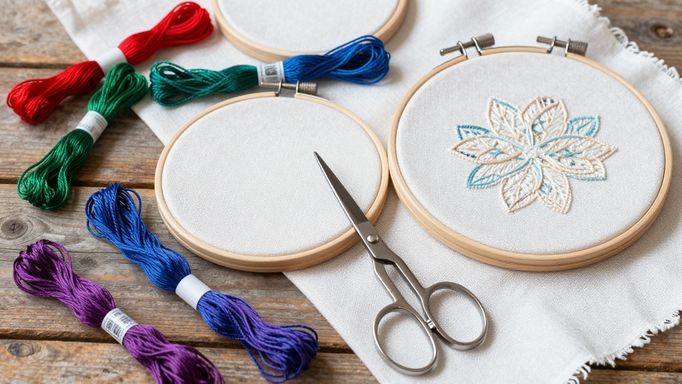
Choosing the right products and optimizing your designs are crucial steps for successful print-on-demand embroidery. The quality of the base product significantly impacts the final embroidered piece, and understanding embroidery’s inherent limitations ensures your designs translate beautifully. This section guides you through selecting ideal items and refining your artwork for a premium embroidered finish.
Embroidery offers a distinct advantage by providing a textured, durable, and premium look that stands out from other decoration methods. However, it’s essential to be aware of its technical constraints to achieve the best results and manage customer expectations effectively.
Choosing the Right Products for Embroidery
Certain product categories lend themselves exceptionally well to embroidery, often becoming best-sellers due to their structure and surface suitability. Top-selling embroidered items consistently include apparel like t-shirts, sweatshirts, hoodies, as well as accessories such as tote bags and custom hats. Towels also benefit greatly from the elegant and durable finish embroidery provides. For accessories like bags or hats, polyester threads are often recommended due to their superior durability and resistance to fading, ensuring longevity and consistent appearance.
Understanding Embroidery Design Limitations
Embroidery is not suitable for all design types, particularly those with extremely fine details, subtle gradients, or a vast number of colors. The process involves stitching thread directly onto fabric, which has inherent physical limitations. Designs are best when they are relatively simple and bold, allowing the stitching to be clearly visible and impactful. Complex, photorealistic designs or those requiring smooth color transitions are generally not ideal for traditional embroidery.
Specifically, providers like Printify limit embroidery designs to a maximum of six colors per design, with no possibility for gradients or ultra-fine detail. This constraint is due to the physical nature of thread and the way embroidery machines operate. While this can seem limiting, it often encourages more creative and impactful minimalist designs. For comparison, Printful offers standard embroidery with up to six colors, but also provides an “unlimited color” embroidery option for an additional fee, which accommodates gradients and a broader color palette, albeit at a higher cost.
Design Dimensions and Placements
The size and placement of your embroidered design are critical for aesthetic appeal. Common embroidery dimensions vary depending on the product and intended location. For instance, a left or center chest logo on apparel typically works well within a 4×4 inch (101.6×101.6 mm) area, which is perfect for simpler, iconic designs. For smaller areas like sleeves or wristbands, a 2×3 inch (50.8×76.2 mm) dimension is often recommended. Always check the specific product guidelines provided by your chosen POD service, as maximum embroidery areas can differ.
Advanced Embroidery Techniques: 3D Puff and Unlimited Colors
Beyond standard embroidery, some services offer specialized techniques to enhance designs. Printful, for example, offers ‘3D puff’ embroidery. This technique involves placing a foam layer beneath the embroidery, which is then stitched over, creating a raised, three-dimensional effect that adds significant visual depth and a premium feel, particularly effective for logos and text. The choice between standard embroidery, ‘3D puff’, or ‘unlimited color’ options depends on the complexity of your design, the desired aesthetic, and your budget.
A key consideration for any embroidery project is the thread color selection. While the specific number of available thread colors can vary between providers, understanding these limitations upfront is essential. For example, Printify offers a palette of 15 thread colors, with the aforementioned six-color limit per design. It’s advisable to familiarize yourself with the available color charts from your chosen provider to ensure your design can be accurately reproduced.
Pros and Cons of POD Embroidery Services
Printful vs. Printify vs. Gelato: Choose Your POD Embroidery Service
Selecting the right print-on-demand (POD) embroidery service is crucial for businesses looking to offer high-quality, custom-embroidered products. This section dives deep into a feature-by-feature comparison of three prominent players: Printful, Printify, and Gelato. We’ll analyze their integration capabilities, shipping performance, and overall value to help you make an informed decision.
The embroidery market continues to grow, with a rising demand for personalized apparel and accessories. As such, understanding the nuances of each POD provider, from their design tools to their global fulfillment networks, becomes paramount for success.
Comparing Printful, Printify, and Gelato: Feature Showdown
Each platform offers distinct advantages and disadvantages for embroidery services. Printful is known for its user-friendly interface and comprehensive fulfillment services, integrating seamlessly with major e-commerce platforms. Printify, on the other hand, leverages a network of print providers, offering a premium service designed to boost profit margins for its users. Gelato emphasizes localized production and sustainability, boasting fast shipping and high-quality prints, though it may present limitations in product variety and user-defined embroidery aesthetics.
Integration Options for E-commerce Platforms
Seamless integration is key for any POD service. Printful excels with its broad compatibility across major platforms like Shopify, Etsy, and WooCommerce, simplifying the process for sellers to connect their stores and manage orders efficiently. Printify also offers robust integrations, including Etsy and Shopify, with its Premium service enhancing profit margins for those on higher tiers. Gelato, while integrating with popular platforms such as Shopify and Etsy, also provides API access, catering to a more technically inclined user base.
Shipping Analysis for Embroidered Goods
Shipping performance can significantly impact customer satisfaction. Printful’s shipping can sometimes be slow, with delivery times potentially extending from two weeks to over a month, and there are occasional reports of incorrect or damaged orders. Gelato’s strategy of localized production aims for rapid and cost-effective shipping, especially within Europe. Printify’s shipping times and reliability are contingent on the specific print provider chosen from their network, offering a range of options but requiring careful selection.
Overall Value Proposition and Target User
Printful is an excellent choice for beginners and businesses prioritizing ease of use and a streamlined, integrated experience. Its reliable fulfillment and user-friendly design tools offer a solid foundation for new ventures. Printify appeals to users seeking greater control over pricing and product selection, especially those willing to manage relationships with different print providers to optimize costs and margins, particularly with its Premium offering. Gelato is ideal for businesses targeting a European audience, emphasizing fast, sustainable, and cost-effective shipping, and high-quality prints, provided their design needs align with Gelato’s tool capabilities.
Troubleshooting Common Embroidery Issues and Expert Tips
Embroidery, while rewarding, can sometimes present frustrating challenges. From skipped stitches to fabric puckering, understanding how to troubleshoot these common issues is key to achieving professional-quality results. This section delves into practical, step-by-step solutions for prevalent embroidery problems, drawing on expert advice and user experiences to help you resolve them effectively and improve your craft.
By addressing these technical hiccups with the right knowledge and techniques, you can ensure smoother production runs and consistently beautiful embroidered items, whether you’re a hobbyist or running a print-on-demand business.
Fixing Thread Breaks and Tangles
Thread breaks and tangles are among the most frequent frustrations in embroidery. The primary culprit is often a dull or bent needle. Ensure your needle is sharp and compatible with both your fabric and thread type. Needles should be replaced regularly, as even slight damage can lead to consistent thread breaks.
Bobbin tension also plays a crucial role. A simple ‘drop test’ can help diagnose issues: the bobbin should fall about 2-3 inches when suspended by its thread. If you’re experiencing tangles, try using shorter thread lengths, ideally no longer than 18 inches. Shorter lengths reduce friction and the likelihood of snagging.
Resolving Fabric Puckering and Needle Issues
Fabric puckering typically stems from improper hooping. The fabric must be taut and securely held within the hoop, but avoid overstretching, which can distort the material and lead to puckering during stitching. Ensure your hoop is the correct size for your design and fabric.
Beyond dull needles, the wrong needle type can also cause problems. For instance, ballpoint needles are designed for knits to avoid damaging fibers, while sharp, fine-point needles are better for wovens. Understanding needle selection for different fabric types is critical for preventing skipped stitches and fabric damage.
Correcting Misaligned Designs and Color Errors
Misaligned designs or incorrect color sequences can be disheartening, but they are often salvageable. A common technique to cover errors is to embroider over the mistake. Apply a thin piece of interfacing behind the new stitches to provide a stable base and effectively hide the previous error.
For complex designs or frequent color issues, ensuring your digitized files are high-quality is paramount. Poorly digitized files are a primary cause of common problems like “bird nesting” (tangled thread nests on the fabric’s surface) and excessive thread breaks. Consider utilizing professional digitizing services, or explore user-friendly software like Embird, which supports over 70 formats and offers tools for digitizing, organizing, and customizing designs at an affordable price point.
Expert Advice on Needle and Thread Selection
Choosing the right needle and thread is fundamental to successful embroidery. For machine embroidery, polyester threads are highly recommended due to their superior durability and colorfastness, ensuring your designs stand the test of time. Rayon threads, while offering a beautiful sheen and vibrant color, are generally less durable and may be better suited for items that won’t undergo heavy washing or wear.
The needle size and type should always correspond to the thread weight and fabric type. A general rule of thumb is to use a larger needle for thicker threads and heavier fabrics, and a finer needle for finer threads and delicate materials. This balance prevents skipped stitches, thread breaks, and fabric damage.
Best Practices for Digitizing and File Preparation
The quality of your embroidery starts with the digital file. High-quality digitizing translates into clean stitches and fewer mechanical issues. When preparing files, ensure they are in a stitch-based format (like .DST.PES.JEF) rather than a vector format (.AI.SVG) which requires conversion.
When sending designs to your print-on-demand service, always check their specific file requirements. Most services prefer high-resolution raster files (like PNG or JPG) for placement on mockups and will handle the digitizing themselves. However, if you are providing stitch files, ensure they are optimized for the intended fabric and machine type. For businesses serious about intricate designs and minimizing troubleshooting, investing in professional digitizing software or services can be a game-changer, directly addressing a common source of embroidery defects.
Embroidery Market Insights and Trends
The custom apparel market, a significant driver for print-on-demand embroidery services, continues to show robust growth. Trends indicate a strong consumer demand for personalized and unique items, with embroidery being a premium embellishment method. The global embroidery machine market size was valued at USD 1.5 billion in 2022 and is projected to grow, reflecting the increasing adoption of embroidery for both commercial and personal use. This growth is fueled by advancements in home embroidery machines and the accessibility of professional services like Printful, Printify, and Gelato, which streamline the process for entrepreneurs.
Technological advancements in embroidery machines now offer features like automated thread cutters, multi-needle capabilities, and improved tension control, all contributing to greater efficiency and fewer errors. Software developments also play a crucial role, with continuous updates enhancing user interfaces, expanding design capabilities, and improving file compatibility, making high-quality embroidery more accessible than ever before.
Note: ✓ indicates a primary solution, ✗ indicates not applicable, and ~ indicates a contributing factor or partial solution.
Conclusion
Choosing the right print-on-demand embroidery service is a pivotal decision for your business, directly impacting product quality, customer satisfaction, and your bottom line. As we’ve compared Printful, Printify, and Gelato, it’s clear that each platform offers a unique set of strengths. Printful boasts a comprehensive product range and advanced features, making it a robust choice, though potentially at a higher cost. Printify presents a more budget-conscious alternative with an ever-expanding catalog, while Gelato shines with its impressive speed, commitment to sustainability, and excellent customer support, albeit with some limitations in embroidery customization.
Ultimately, the best fit hinges on your specific business needs, including product variety preferences, quality expectations, budget constraints, and desired profit margins. Don’t let uncertainty hold you back from launching or scaling your embroidered product line.
Take the next step now: Explore the product catalogs of Printful, Printify, and Gelato. Order samples of your designs to physically assess the quality and feel. Carefully weigh the trade-offs based on your unique business goals and customer expectations. Selecting the right POD partner is an investment in your brand’s success. Make your informed choice today!