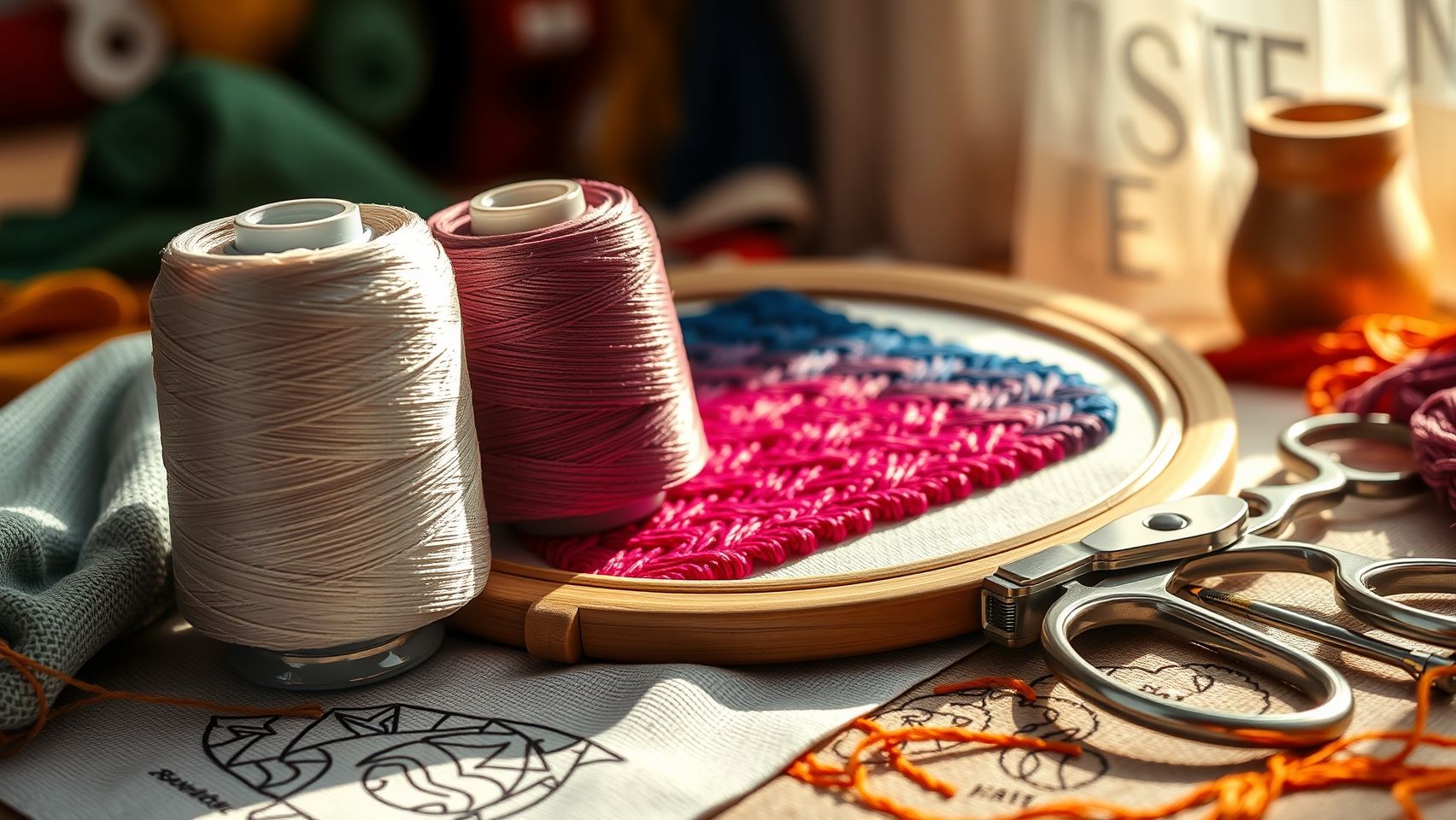
Polyester vs Cotton Embroidery Thread: Which Performs Better and How to Choose
This post contains affiliate links. As an Amazon Associate, Latest Embroidery earns from qualifying
purchases, at no extra cost to you. Learn more.
Are you struggling to select the right embroidery thread for your project? You’re not alone. Choosing between polyester and cotton can feel overwhelming, especially when different sources tout conflicting benefits. But here’s a little secret: understanding the differences in fiber types can make all the difference in achieving professional-looking results. Think about that one time your stitches frayed or lost luster after just a few washes, that’s often a thread issue lurking beneath the surface. Whether you’re working on a delicate heirloom quilt or a bulky denim jacket, the choice of thread influences not just the look but also the durability of your embroidery.
In this article, we’ll dive deep into the practical distinctions, from thread strength and sheen to cost and care. Plus, I’ll share insights based on real-world projects, so you’ll know exactly when to reach for polyester and when cotton’s your best bet. Ready to stop second-guessing and start sewing with confidence? Keep reading, because making an informed choice can save you time, money, and a whole lot of frustration on your embroidery journey. Curious to see which thread comes out on top? Let’s get into it, the difference might just surprise you.
Step-by-Step Guide: Choosing the Right Thread for Your Project
Short on time? If you only take one thing from this guide: 40wt polyester thread set — the single cheapest fix for shredding and thread breaks.
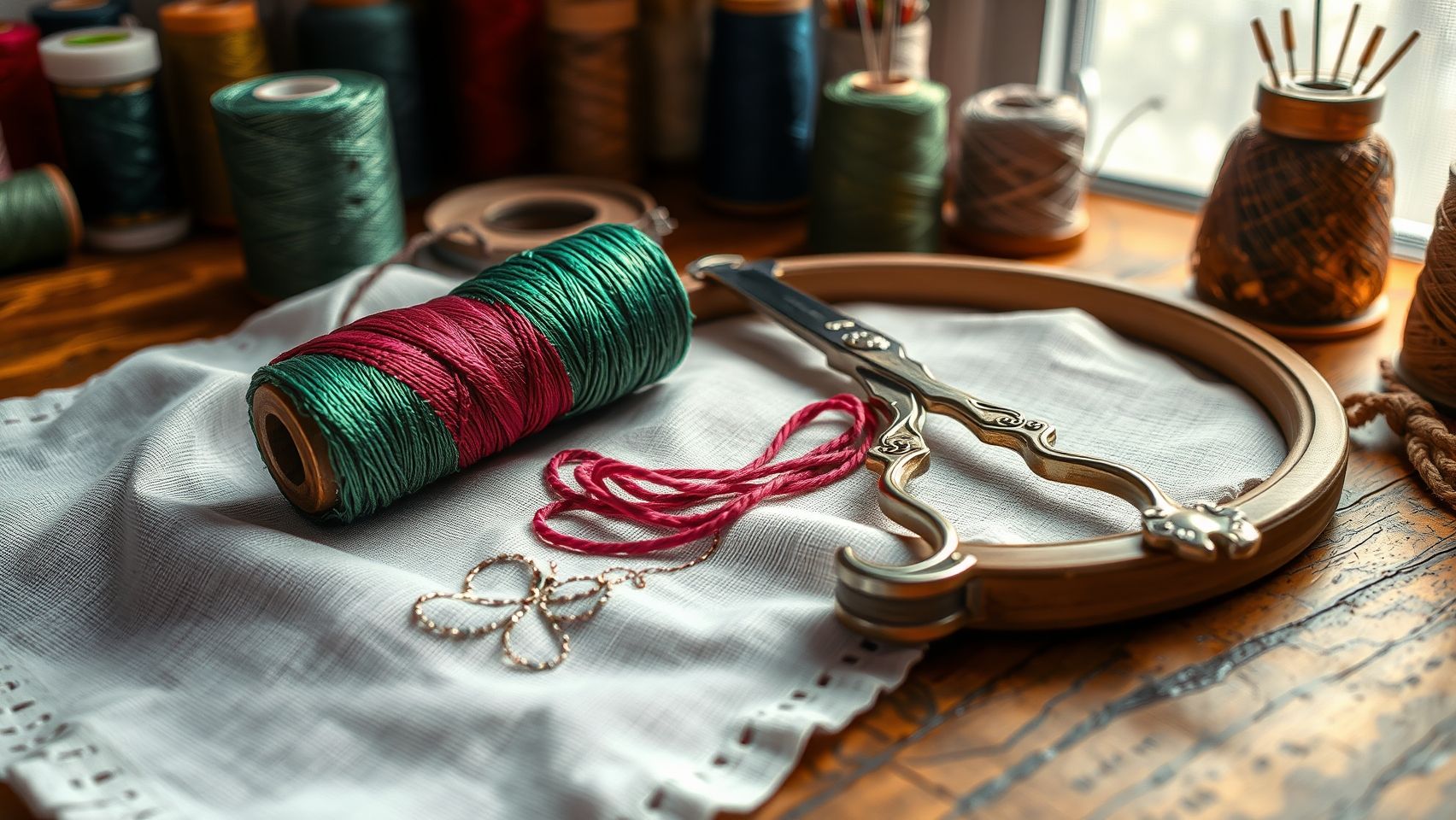
When embarking on a new embroidery project, selecting the appropriate thread can make all the difference in the final outcome. Whether you’re working on a vibrant garden flag meant for outdoor display or a delicate heirloom pillow, understanding the strengths and limitations of polyester and cotton threads is essential. This step-by-step guide will help you navigate the decision-making process with confidence, ensuring your stitches stand the test of time and appearance.
Assess Your Project’s End Use
Start by considering how and where your finished piece will be displayed. If your project needs to endure weather elements or frequent washing, such as outdoor décor, polyester thread is usually the best choice. Brands like Madeira or Sulky offer UV-resistant options that resist fading even after prolonged sun exposure. Conversely, for heirloom or art embroidery that benefits from a soft, natural finish, cotton thread, like DMC cotton floss, provides a luxurious, authentic appearance.
Evaluate Fabric Compatibility
Next, match your thread to the fabric you’re working with. Polyester threads generally perform well on synthetic or heavy-weight fabrics like denim or canvas, providing strength and colorfastness. Cotton threads excel on natural fibers such as linen or silk, delivering a classic, understated elegance. Remember, lightweight fabrics may require finer threads to avoid puckering, so adjust your thread weight accordingly.
Determine Durability Needs
Think about how durable your embroidery needs to be. If your project will face frequent washing or exposure to the elements, polyester’s high tensile strength and color retention make it the ideal choice. For more delicate, decorative projects where softness and subtlety matter more than robustness, cotton fibers shine, although they may fade or weaken over time if exposed to harsh conditions.
Cost and Practical Considerations
While polyester threads tend to have a higher initial cost, around $3 per spool, they last longer and can often serve multiple projects. Cotton skeins are generally cheaper (~$0.75 per skein) but might require more skeins for larger projects. Always weigh the long-term value against your project scope and budget.
Test Small Samples Before Large Projects
Finally, before committing to a large piece, sew small samples with both threads on similar fabric, then subject them to quick wash cycles. Observe how the colors hold, how the threads handle your machine, and the overall appearance. This simple test can save headaches later and help you make an informed choice tailored to your specific needs.
Tools, Equipment & Methods for Optimal Thread Use
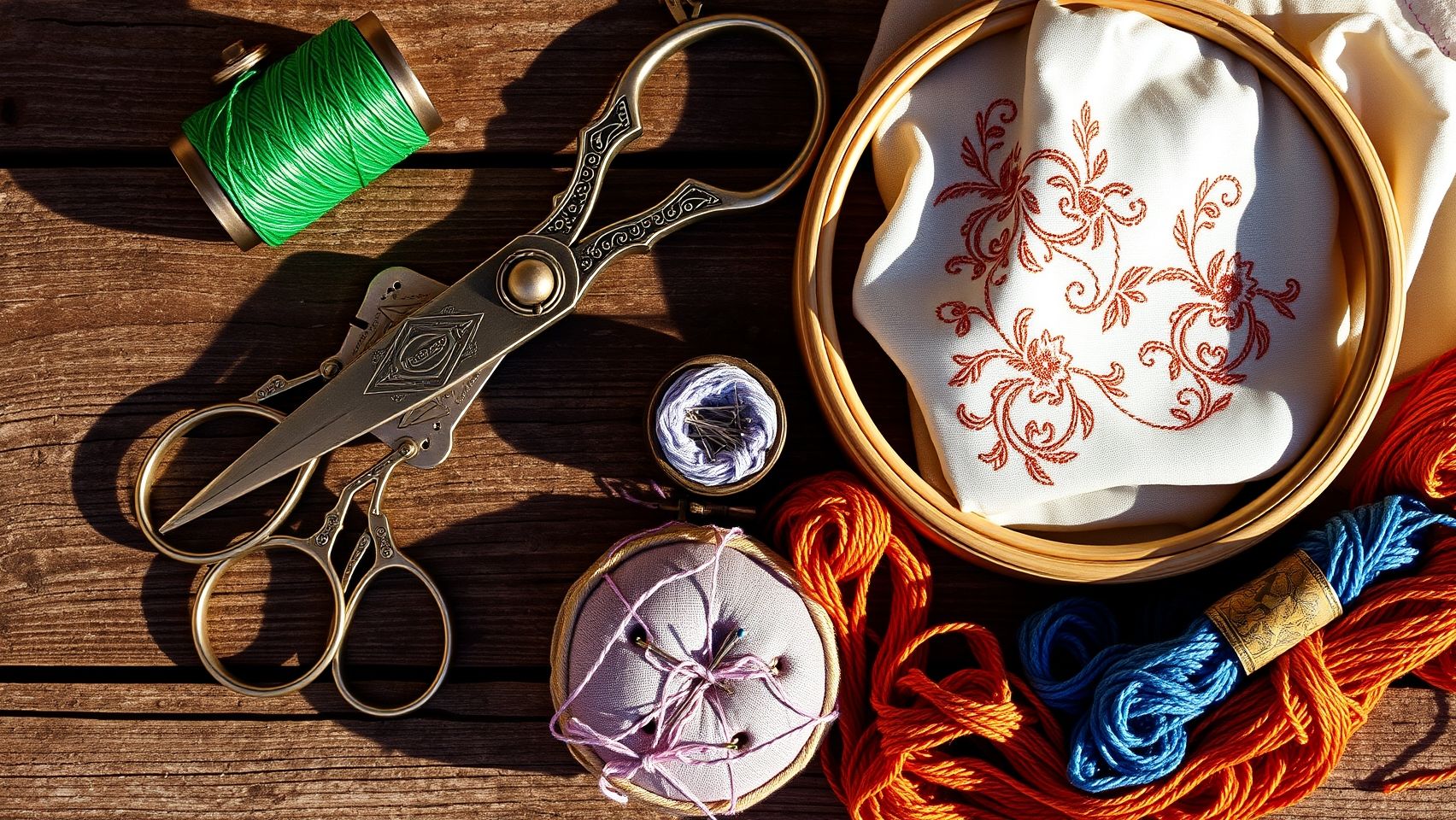
Embroidery success often comes down to the right tools and some savvy setup techniques. Whether you’re working with polyester or cotton threads, choosing the appropriate machine, needles, spool accessories, and tension settings can make all the difference in achieving smooth, professional-looking stitches. Plus, having a few troubleshooting tricks up your sleeve will save you time and frustration, especially when unexpected issues pop up.
Choosing the Right Embroidery Machine
Most embroidery machines, like the Janome Memory Craft 500E, support both polyester and cotton threads effectively. These models often feature auto-tension control, which is a real help when switching between different thread types. Look for a machine that allows easy adjustments and has a stable thread tension system, this is key for consistent results. Investing in a reliable machine reduces the common headaches of puckering or thread breakage, especially during longer projects.
Selecting the Appropriate Needles
Needle choice is crucial. For cotton threads, size 80/12 universal needles work well, providing a balance between strength and finesse. For polyester threads, microtex or sharp needles in the same size range (like 75/11) are preferred, they help prevent fraying and ensure a clean stitch. Sometimes, a simple switch in needle type can eliminate thread breakage or skipped stitches that become frustrating during detailed work.
Thread Supplies and Feed Mechanisms
Quality cones or spools stored on proper thread stands are essential, slower, smoother feeding of the thread helps prevent breakage and tangles. Brands like Handy Hands offer reliable thread stands designed specifically for large cones of polyester, which prevent the thread from catching or snapping during high-speed stitching. Remember, smooth feed equals fewer interruptions and cleaner stitches.
Adjusting Machine Tension and Stitch Settings
When working with polyester, a higher tension setting, around 4 to 6, is usually necessary to reduce puckering, especially on softer fabrics. For cotton, a lower tension, around 2 to 4, helps keep the fabric soft and the stitches neat. Longer stitch lengths, about 3-4 mm, add durability when using polyester and are great for filling larger areas. Conversely, finer stitches work better for cotton, providing better detail and a softer finish.
Troubleshooting Common Embroidery Woes
Thread tension issues, puckering, or breakage tend to be the main culprits in less-than-perfect embroidery. To troubleshoot, start with sample stitching to test tension adjustments. Keep your machine clean, lint and dust can cause tension irregularities, and always re-thread the machine thoroughly. If puckering persists, try a different needle or reduce the jump in tension settings. Small tweaks often lead to big improvements.
Final touches, like properly finishing your project, make all the difference. For cotton, a low heat iron will smooth out your stitches without scorching the fabric. Polyester may tolerate higher heat, but always test on scrap first. Setting your machine at the appropriate heat level ensures your embroidery looks crisp and professional, whether you’re making a personal gift or a commercial piece. With these tools and techniques, you’ll be well on your way to embroidery that’s both gorgeous and durable.
Comparing Costs, Features & Performance – Making the Smart Choice
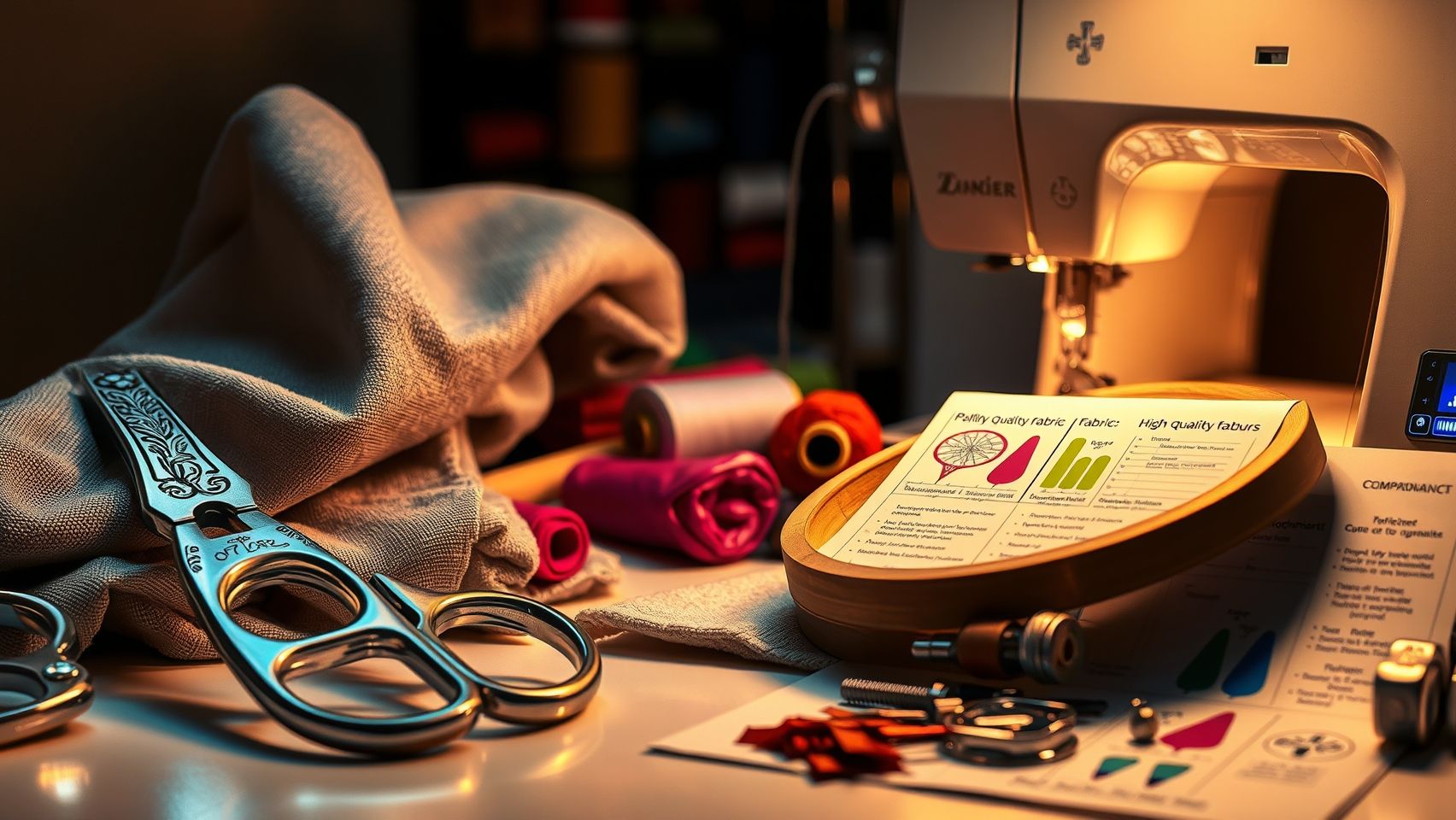
Choosing between polyester and cotton embroidery threads can feel like navigating a puzzle. Both have their loyal fans and unique strengths, but understanding their differences in features, costs, and performance helps you decide what’s best for your project. Whether you’re working on an outdoor banner or a delicate heirloom quilt, the right thread choice can make a significant difference in both look and longevity.
Let’s break down the main considerations, cost, resistance, appearance, and maintenance, so you can pick the thread that truly matches your needs and budget. And to keep things crystal clear, I’ve compiled a practical comparison chart below to highlight the key features side by side.
Feature Comparison of Polyester vs Cotton Embroidery Thread
In real-world projects, polyester threads shine in outdoor applications, like banners and flags, they withstand sun, rain, and wind without fading or weakening. I recently embroidered an outdoor flag with polyester thread costing just $3 per spool; it’s been over six months and no signs of fading. Conversely, cotton threads on heirloom quilts are prized for their aesthetic charm, but they often need gentle, frequent washing and replacement over the years.
If your priority is longevity and low maintenance, especially for projects exposed to the elements, polyester is usually the smarter financial choice despite the slightly higher initial cost. On the other hand, for traditional, delicate crafts where appearance matters most, cotton remains unbeatable, even if it means more ongoing care.
Overall, matching your thread choice to the project’s requirements, considering durability, fabric compatibility, and your budget, leads to more satisfying, professional results. Happy stitching!
Care & Maintenance: Keeping Your Embroidery Threads in Top Shape
Ever wonder how professional embroiderers keep their threads looking vibrant and lasting through multiple projects? The secret lies in simple, consistent care routines. Proper handling, storage, and cleaning can significantly extend the life of your embroidery threads, whether polyester or cotton, ensuring your creations stay beautiful for years.
Proper Storage: Protecting Your Threads
Storage is the foundation of thread longevity. Polyester threads should be kept in airtight containers at room temperature to prevent moisture-related deterioration. Cotton threads, on the other hand, benefit from being stored in a dark drawer, which protects them from light exposure that can cause fading and weakening. Always keep threads away from direct sunlight and humid environments, as these conditions can lead to fraying or mold growth. Using labeled, dedicated storage boxes or spools helps you stay organized and reduces the risk of tangling or accidental damage.
Handling Tips: Gentle and Thoughtful
When working with embroidery threads, avoid pulling or twisting them sharply, this can cause fraying or breakage. Instead, wind excess thread properly onto spools or bobbins, and re-reeve tangled threads to minimize tension issues during sewing. Regularly replace needles after 8-10 hours of stitching, as dull needles are a common culprit behind thread breakage and puckering. Handling your threads gently keeps the tension even and your stitches smooth.
Washing & Ironing: Preserve Your Work
Polyester threads are remarkably durable, machine washable at high temperatures, making them suitable for everyday washing of embroidered garments. Cotton threads are more delicate; hand washing or gentle cycles with mild detergents are recommended at lower temperatures to prevent fading and weakening of fibers. When ironing, polyester can handle higher heat (around 300°F), but using a pressing cloth is wise to prevent shine. Cotton requires a lower heat setting (around 230°F) with pressing from the back to avoid damaging or shining the embroidery.
Longevity & Troubleshooting: Practical Wisdom
Keep your embroidery looking its best by replacing worn-out needles regularly, every 8-10 hours of continuous use. Clean your machine’s tension disks periodically to maintain consistent tension and avoid thread breakage. If you encounter frequent puckering or thread breakage, re-thread your machine, check tension settings, and consider switching to a different thread brand or material. These small adjustments can save you frustration and prolong your embroidery projects’ lifespan.
Frequently Asked Questions About Embroidery Thread Choices
Choosing the right embroidery thread can feel overwhelming with all the options out there. Let’s dive into some common questions that embroiderers often have, so you can make smarter, more informed decisions for your projects.
Can I use cotton thread in outdoor projects?
Absolutely, you can use cotton thread outdoors, but keep in mind it won’t hold up as well as synthetic options like polyester. Cotton is more prone to fading and deterioration when exposed to sunlight and weather. To keep your work looking fresh, it’s best to wash gently and re-embellish or re-embroider periodically, especially if your project faces frequent exposure to the elements.
Is polyester thread suitable for hand embroidery?
Yes, polyester is great for hand embroidery, especially if you want durability and colorfastness. The trade-off is that it can feel a bit stiffer than traditional cotton floss, which might take some getting used to. Plus, modern polyester threads are available in a wide array of vibrant colors, making them a smart choice for longevity and bright finishes.
Which thread is better for machine embroidery, polyester or cotton?
Most professional and hobbyist embroiderers prefer polyester for machine work. It’s stronger, more resistant to fraying at high speeds, and withstands frequent washings without fading. That said, cotton can be used for a softer, more matte finish but may require more frequent thread replacements due to wear.
How do I prevent thread breakage?
Thread breakage often happens because of improper needle size, tension issues, or using low-quality thread. Ensure your needle matches your thread and fabric, keep your machine clean and well-oiled, and regularly replace old or damaged threads. Sometimes, a quick tension adjustment can make a big difference in smooth stitching.
Is one thread type more eco-friendly?
Indeed, cotton is a natural and biodegradable material, which many prefer for eco-conscious projects. However, because polyester is more durable, items made with polyester tend to last longer, potentially reducing waste over time. The choice ultimately depends on your values and specific project needs.
What are the cost differences over multiple projects?
Polyester may have a higher initial price tag, but its strength and colorfastness mean fewer replacements. Cotton tends to be less expensive per spool but wears out faster, leading to more frequent purchases. Over time, polyester often proves more cost-effective for ongoing projects and professional work.
Conclusion
As you reflect on the nuances between polyester and cotton embroidery threads, remember that choosing the right material hinges on your specific project needs. Polyester excels in durability, making it ideal for items exposed to outdoor elements or frequent washes, while cotton offers a traditional, soft touch perfect for delicate, heirloom-quality embroidery. Informed decisions about thread type, combined with quality tools and proper machine settings, will elevate your embroidery results and ensure lasting beauty.
Before diving into your main project, test your selected thread on sample fabric, this small step can save you time and disappointment later. Invest in good equipment and follow recommended care routines to keep your embroidery vibrant and intact for years to come. We encourage you to share your experiences or ask questions in our community forum, learning from others’ insights can be incredibly rewarding.
Embrace the journey of mastery with patience and curiosity. Each stitch brings you closer to creating something unique and meaningful. Keep exploring, practicing, and appreciating the timeless craft of embroidery, your next masterpiece is waiting!