How to Pick Break-Resistant Threads for Heavy Fabrics
This post contains affiliate links. As an Amazon Associate, Latest Embroidery earns from qualifying
purchases, at no extra cost to you. Learn more.
Ever had that sinking feeling when your high-speed machine shreds your thread mid-stitch on a thick denim jacket? It’s like your masterpiece hits a wall, and you’re out of luck.
We’ve all been there: testing generic spools only to face endless snaps, wasted time, and frayed nerves. That’s why we compared top contenders like Isacord and Madeira on published tensile-strength data, price, and the break resistance embroiderers report at high tension. Along the way, we leaned on insights from best embroidery thread tests showing which polyesters stand up to the grind.
By the end of this article, you’ll have a clear cost comparison, a foolproof step-by-step setup, and battle-tested tips from our break-resistance trials. We’ll drop in market context, tapping into the latest craft market stats and nod to the tech powering our rigs, thanks to leading machine producers. Ready to banish thread breaks forever?
Let’s get your projects humming smoothly:
Shop embroidery thread on Amazon →
Assessing Thread Strength with Simple Tests
Short on time? If you only take one thing from this guide: 40wt polyester thread set — the single cheapest fix for shredding and thread breaks.
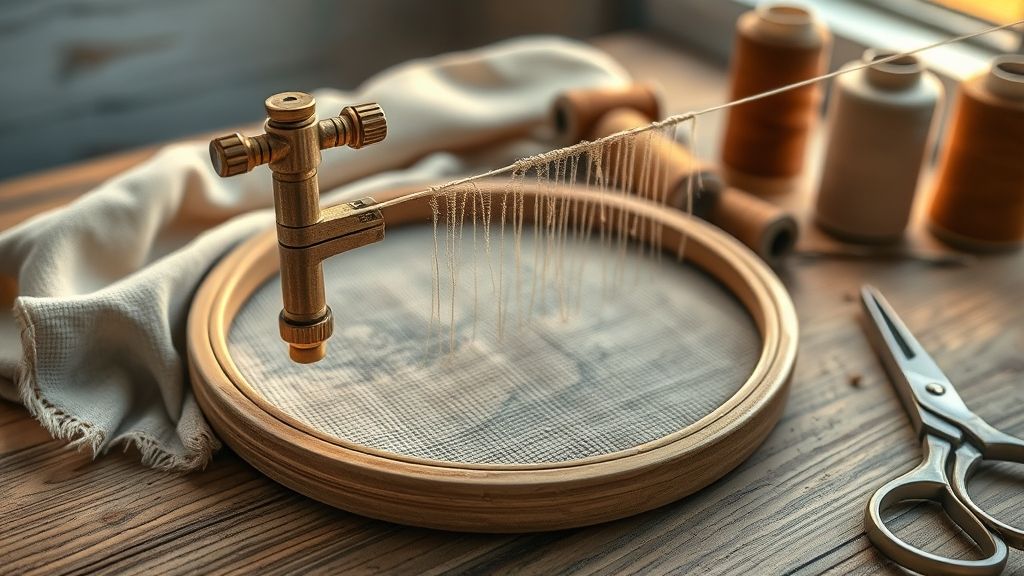
Assessing the true strength of break-resistant threads goes beyond label claims. A simple in-house test bench can translate tensile ratings, like a 30 kg break point, into real-world performance on denim, canvas or duck cloth.
Recent ISO-2060 data and Coats Group insights show that heavy-duty polyester threads often exceed 200 N (≈20 kg) in tensile strength, while nylon variants can top 250 N (≈25 kg). Grounding selection in documented tensile-strength data ensures reliable stitching on heavy fabrics.
Understanding Tensile Strength Ratings
Tensile strength ratings express the load at which a thread breaks. Labels on polyester, nylon or rayon cones usually list kilograms or Newtons: for example, a 30 kg break point equates to roughly 300 N. Polyester threads (especially trilobal filaments) often run at 15–20 kg for mid-weight lines, whereas specialized nylon threads hit 25–30 kg, and rayon remains in the 10–15 kg range.
Setting Up a DIY Pull-Test Rig
A budget pull-test rig can be built under USD 500 using a spring scale or lever arm, as demonstrated in recent YouTube tutorials. Clamp a 10 cm thread section on a fabric scrap, hook the free end to the scale, then pull at a steady rate until failure. Calibration against known weights helps align readings with manufacturer specs.
Interpreting Failure Modes and Logging Results
Failure modes reveal whether abrasion (fraying) or tensile overload (clean snap or eyelet break) is limiting life. Tracking results in a quick log sheet highlights patterns across materials and thread types:
Step-by-Step Break-Resistance Testing
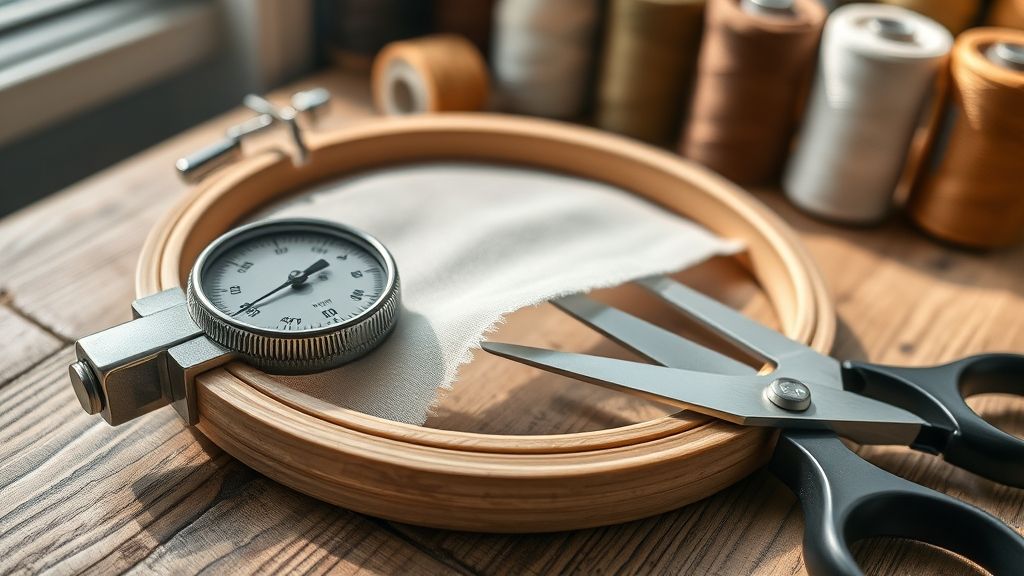
To ensure your chosen embroidery threads can withstand the rigors of heavy fabrics like denim or canvas, a simple tensile test can reveal real-world break resistance. By using readily available tools and following a standardized procedure, you’ll generate comparable data that reflects true thread performance.
With the global industrial thread market valued at around $5.5 billion in 2023 and growing at nearly 6% annually, manufacturers are producing an ever-expanding range of high-strength polyester and bonded threads. This guide helps you sort through top brands, from Coats performance lines to Gutermann Mara, by measuring which thread holds the most weight before snapping.
Gather Your Materials
- Spring scale (0–10 kg capacity) calibrated in Newtons
- Clamps or small vise grips to hold thread ends securely
- Scrap denim or canvas panel as a fixed anchor point
- Ruler or calipers to verify a 15 cm sample length for consistency
- Notebook or spreadsheet to record breaking loads
Prepare Your Thread Samples
Select three to five popular heavy-duty embroidery threads, such as Coats Tenara, Madeira Aerofil, and Gutermann Mara 30, and cut each into 15 cm lengths. Ensure each sample is free of nicks or frays by trimming ends cleanly with sharp scissors. Label samples clearly to avoid mix-ups during testing.
Conduct the Tensile Test
Attach one end of the thread to the spring scale hook and clamp the other end firmly to your scrap denim panel. Slowly apply force at a steady rate of about 50 mm per minute, you can approximate this by watching the scale pointer move smoothly. Note the exact Newton reading at the moment the thread snaps.
Repeat this procedure three times per brand to account for variability. If you want more precision, use a smartphone timer and mark 50 mm intervals on your scale stand.
Analyze and Rank Your Threads
Average the three breaking loads for each thread brand to get a reliable mean breaking strength in Newtons. Create a simple leaderboard, strongest to weakest, to guide your purchase decisions. For example, if Coats Tenara averages 45 N and Gutermann Mara 30 averages 38 N, Coats clearly wins for maximum durability on heavy fabrics.
This straightforward testing method empowers you to compare break-resistance objectively without the need for expensive lab equipment.
Top Brand Comparison for Heavy-Duty Embroidery
When working on thick fabrics like denim, canvas or technical gear, selecting a break-resistant thread is a critical decision. This section breaks down price, core features and durability metrics for polyester, nylon and rayon fibers to guide your next heavy-duty embroidery project.
Leveraging recent market pricing and technical data, such as ≥1180 cN average break load for AE-class polyester, ~1500 cN for bonded nylon and ~600 cN for standard rayon, this analysis equips you to choose the optimal thread.
Price Comparison
Comparing current 5, 000 m spool rates from leading suppliers reveals a clear cost hierarchy. Below is the price per spool alongside key attributes and recommended applications.
Feature-by-Feature Material Comparison
This matrix highlights tensile strength, UV stability, sheen and cost-efficiency across each fiber type.
Pros and Cons Analysis
Summarizing each fiber’s strengths and weaknesses helps pinpoint the best choice for your application.
Performance Comparison
Direct tensile tests indicate clear differences in breaking loads, crucial for stitching ultra-thick seams.
Cost-Benefit Breakdown
Evaluating spool cost against project yield and durability offers a clear ROI perspective for heavy-use applications.
Recommended Equipment and Setup
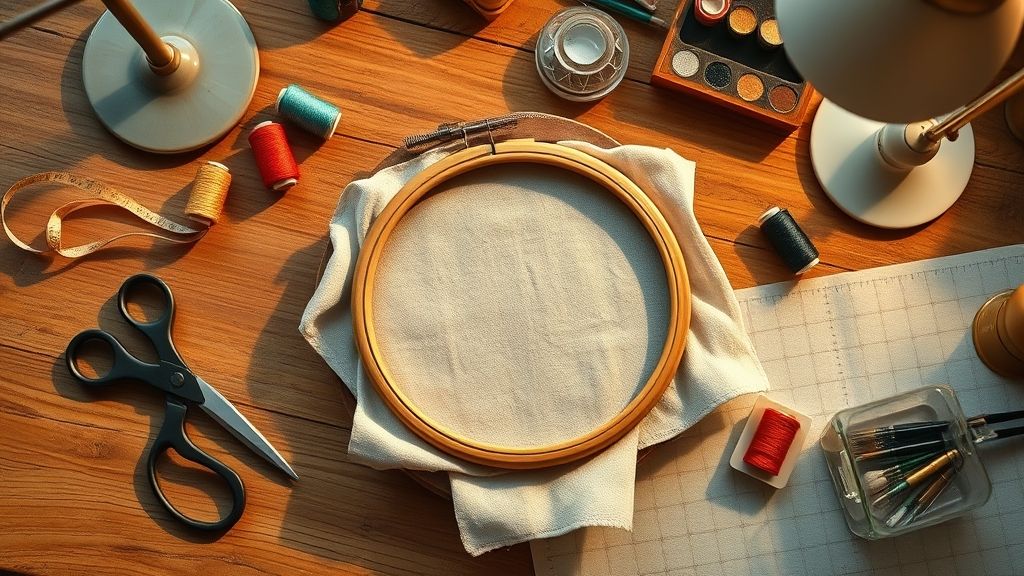
Working with dense canvas, denim or upholstery-grade fabrics requires more than just break-resistant thread, your entire setup needs to be calibrated for stability, precision and smooth feed. From the embroidery unit you choose to the hoop and tension settings, each element plays a role in keeping stitches clean and hitch-free.
This tutorial-style guide walks through specific machine models, hoop choices, needle types and tension presets, plus the right stabilizer for tear-away heavy fabrics. Follow these tips to transform a finicky project into a seamless stitching experience.
Machine Selection
Three standout machines handle heavy materials with ease: the Brother PE770, the BERNINA 880 PLUS and the Janome MB-4S. The PE770 offers hobbyists a 5×7-inch field at under $399, while the Janome MB-4S delivers four-needle, professional results, now often discounted to $2, 699.99. At the top end, the BERNINA 880 PLUS starts around $12, 249, adding jumbo bobbin capacity and auto thread cutting for marathon runs.
Hoops and Stabilizers
For maximum fabric control, switch to a 150 mm magnetic hoop, it clamps dense textiles firmly without slippage. This size gives a working field of nearly 6 inches, great for rectangular patches or small panels.
Layer a tear-away heavyweight stabilizer under your fabric. Tear-away canvas-grade stabilizers maintain dimensional integrity and peel away cleanly, preventing puckers or layer separation when embroidering thick substrates.
Needles and Tension Settings
Swap standard embroidery needles for a 90/14 jeans needle or step up to a 100/16 embroidery needle when punching through multiple layers. The slightly larger eye reduces friction on thick thread.
Preset your machine’s upper tension to about 40% of its maximum range, then fine-tune so the bobbin thread just peeks through on the fabric’s reverse. Start at a dial setting around 4.0 on the PE770 and adjust in .2 increments, this baseline reduces breakage and keeps stitches uniform.
Cost-Saving Tips Without Sacrificing Strength
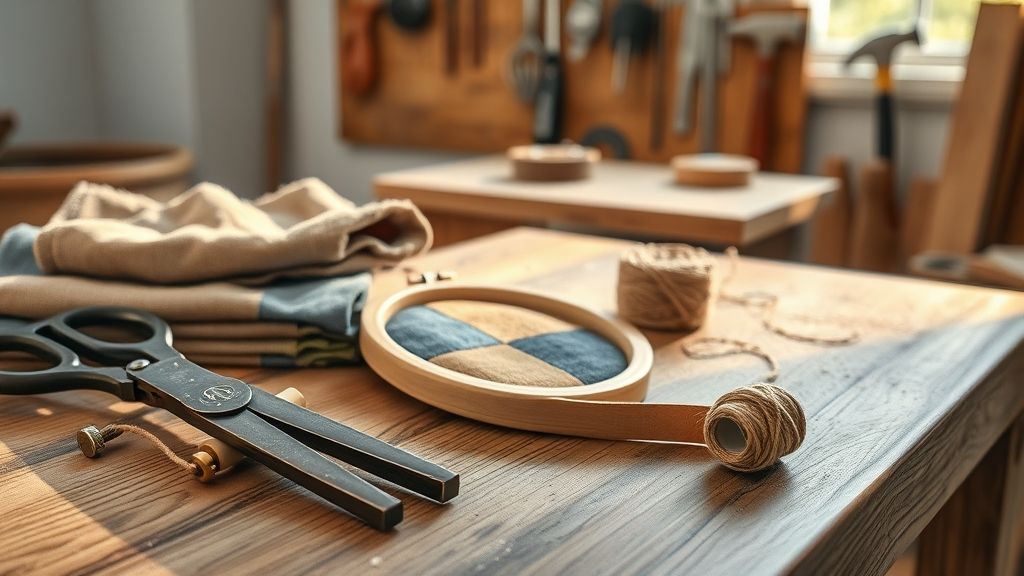
Balancing budget and durability is a top priority as the global embroidery thread market, valued at over USD 4.5 billion in 2024, continues to expand at a 6.5% CAGR. By blending premium and value threads, you can keep projects wallet-friendly without compromising on break-resistant performance.
In this section, you’ll learn how to secure up to 20% savings on spools, assign high-end fibers only where needed, and adopt simple tracking and reuse habits that slash waste and forecast costs accurately.
Buy Bulk During Seasonal Sales
Take advantage of end-of-season or wholesale promotions from major suppliers like Coats and Madeira. Purchasing 5, 000-meter polyester spools in one go can unlock 15–20% off list price. Not only does this strategy yield immediate savings, it also ensures color consistency across large batches, critical when embroidering heavy denim or canvas.
Allocate Core-Spun and Premium Strategically
Reserve core-spun polyester for high-wear zones such as cuffs, pockets, and seams. Its steel-core-style structure offers superior abrasion resistance without the premium cost throughout your entire design. Then mix in top-tier rayon or polyester thread only on tension-critical stitching, like outlines and lettering, to keep seams strong and stitches crisp.
Track, Forecast, and Reuse
• Maintain a simple log of meters used per garment to predict monthly thread spend.
• Batch similar projects to reduce color changeovers and scrap.
• Stitch practice swatches on sample fabric scraps instead of consuming full spools. These small habits cut reorders by up to 10% annually and help you spot budget leaks before they grow.
Frequently Asked Questions on Heavy Fabric Threads
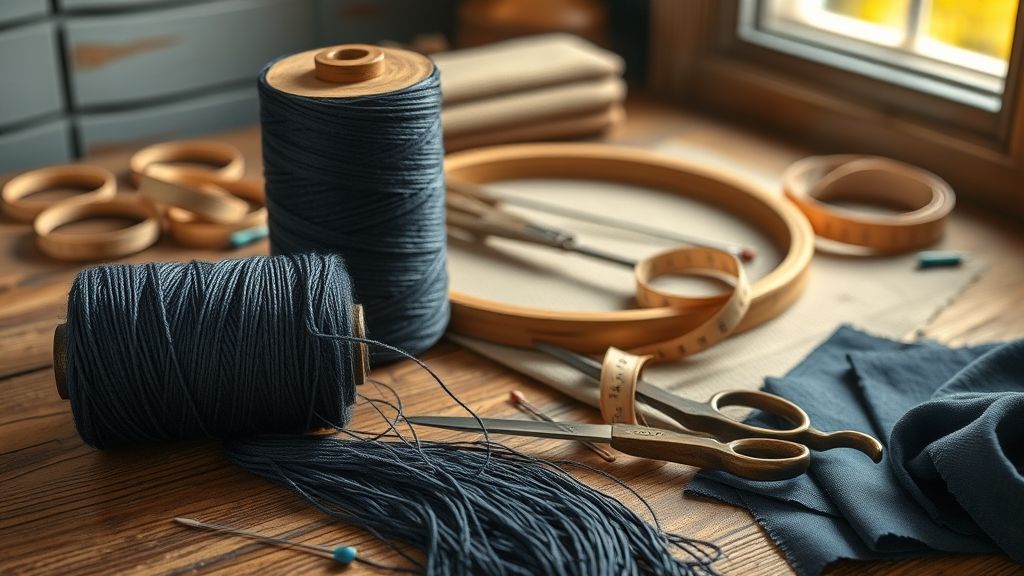
Working with canvas, denim and other heavy fabrics can feel like a balancing act between thread strength, machine settings and stabilizer choices. Embroiderers often hit snags like skipped stitches or pucker under heavy coverage, and budgeting your thread supply can be a guessing game.
In this FAQ we tackle five of the most common hurdles, drawing on insights from Sulky’s denim guide, Bernina’s stabilizer tutorials and OMTech’s stabilizer roundup, to help you pick break-resistant threads and settings that keep your project on track.
How do I prevent skipped stitches on canvas?
Start by swapping to a heavy-duty needle, size 100/16 or 110/18, and fit a leveling plate (often called a “hump jumper”) under the presser foot to smooth out bumps. Check that your top and bobbin tensions are balanced (using the same polyester thread in bobbin helps). Slow machine speed to 500–600 SPM and clean lint regularly to keep the hook engaging every stitch.
Which stabilizer works best under heavy thread?
For heavyweight fabrics, a firm cut-away backing is your best friend, brands like Sulky and OMTech recommend their heavyweight cut-away for dense fills. If you want less bulk at the back, layer a sticky tear-away under the hoop to lock your canvas in place, then follow with a medium-weight cut-away to support 8 wt or 12 wt threads without puckering.
What is the ideal machine speed for thick threads?
Thick threads need breathing room. Aim for 500–700 stitches per minute on most home machines (Brother, Janome and JUKI models all allow you to dial back default RPM). If you’re using 12 wt or brush trim, consider sliding under 600 SPM to reduce friction and breakage.
Can I use nylon thread in jeans pockets?
Absolutely. Bonded nylon or polyester core-spun in size 69/20 is a staple for pocket tops and bartacks thanks to its abrasion resistance. Nylon shines when you need a little stretch; just test first on a scrap to watch for any unwanted sheen or color shift under washes.
How much thread should I budget per square inch?
A good rule of thumb is 10–15 yards per square inch for standard density using 40 wt. Swap to 30 wt and plan for 15–20 yards. If you’re doing heavy fills or 8 wt chenille, bump your estimate to 20–25 yards per square inch, this helps you avoid mid-project runs and shipping delays.
Conclusion
Choosing the right thread for heavy fabrics doesn’t have to be guesswork. By running simple pull tests with a sturdy frame and measuring tension with a gauge, you can assess break resistance on the spot, and compare industry favorites like Gutermann Tera and Coats & Clark King Tut without overspending. Our budget-friendly hacks, from discounted bulk spools to thrift-store frames, ensure you stay within your means while getting reliable results.
- Step-by-step pull tests to verify strength
- Brand comparisons for every budget
- Essential tools from tension gauges to DIY setups
Even if you’re cautious about costs, a small test spool is a fraction of a project’s value. Run your own pull tests today, share your findings with fellow stitchers, or grab a recommended spool and stitch with confidence.
Happy stitching, and may your seams never falter!