How to Reduce Embroidery Machine Environmental Impact with Practical Steps
This post contains affiliate links. As an Amazon Associate, Latest Embroidery earns from qualifying
purchases, at no extra cost to you. Learn more.
Did you know that even small changes in how we approach embroidery can make a big difference for the planet? It’s a common misconception that sustainability isn’t possible in a craft rooted in tradition and precise machinery, but truthfully, the industry is evolving rapidly. Embroidery machines and their accessories, while powerful tools for creativity, also consume a significant amount of energy and generate waste. Are we doing enough to reduce that impact?
From choosing eco-friendly threads to embracing smarter machine settings, there are practical steps that can help embroiderers, whether hobbyists or professionals, make a real difference. Not only can these practices cut down on waste and energy use, but they also align with increasing consumer demand for sustainable products. Reports from sources like the embroidery industry’s push towards eco-conscious digitizing highlight ongoing efforts, yet many of us might not be aware of how accessible these solutions really are.
In this article, we’ll explore actionable tactics, such as optimizing software, selecting eco-friendly materials, and maintaining machines for energy efficiency, that can help reduce your environmental footprint. Ready to see how your passion for embroidery can also become a stand for sustainability? Let’s get started, because making small changes today can lead to a more sustainable industry tomorrow.
Understanding Embroidery Machine Environmental Footprints
Short on time? If you only take one thing from this guide: Brother SE700 — the machine we point most beginners to — touchscreen, wireless transfer, and it sews as well as embroiders.
Embroidery machines are remarkable tools that bring creativity to life, but they also leave an environmental footprint worth examining. As passionate embroiderers, we often focus on technique and design, yet it pays to consider how our equipment impacts the planet. From energy consumption to waste generation, understanding these impacts helps us make smarter choices for greener practices.
Let’s start by exploring the main environmental impacts of popular embroidery machines such as the Bernina 770QE, Brother SE1900, and Janome Memory Craft models. These machines are known for their efficiency, but they differ in energy draw and waste management. Knowing their specifications helps us develop practical assessment methods to track our footprint and identify areas for improvement.
Energy Consumption of Embroidery Machines
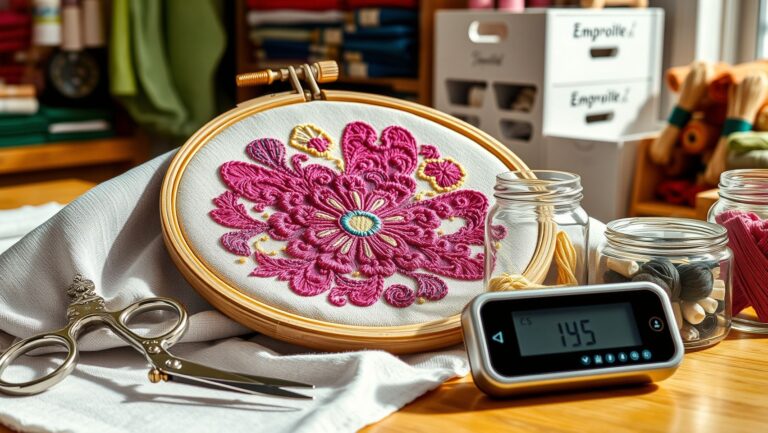
Take the Brother SE1900, for example, research indicates it has an operational power consumption of around 50-70 watts during active use. Similarly, the Bernina 770QE and Janome Memory Craft models are designed with energy-saving modes, which can significantly reduce power use when idle. Using a simple Kill-A-Watt meter, you can measure if your machine is consuming close to its rated wattage or if it’s lingering in energy-draining standby states. Many modern machines operate at about 50% of their rated wattage during idle, saving energy and lowering your overall environmental impact.
For a practical audit, just plug your machine into the meter during typical use and note the wattage. Comparing this data over several projects reveals how much energy you’re using, sometimes revealing surprising inefficiencies that, once addressed, can cut your power consumption considerably.
Waste Generated Per Project and How to Quantify It
On average, a typical embroidery project produces about 10 grams of thread waste, mainly from trimming excess stitches and fabric scraps. It may seem minor in isolation, but multiply by the number of projects, and it adds up. To reduce this waste, optimizing stitch counts and using threads efficiently is key. For example, adjusting stitch length and consolidating design paths can significantly cut down thread trimming.
Tracking waste is straightforward: weigh your scraps at the end of each project and log the data. Over time, you’ll identify which designs or techniques generate the most waste, creating opportunities for smarter planning and material use.
Tracking Your Impact and Making Better Choices
To get a clear picture of your environmental footprint, consider maintaining a simple spreadsheet or journal where you log energy measurements and waste weights. This ongoing record highlights high-impact areas and shows where small changes, like switching to energy-efficient machines or refining cutting techniques, can make a real difference.
Additionally, selecting machines with certifications like Energy Star or eco-labels can further reduce your footprint. These labels indicate models that meet strict energy efficiency criteria, making it easier to support sustainability through smarter purchases. Investing in such equipment not only benefits the environment but can also lower your long-term operating costs, a win-win for eco-conscious embroidery enthusiasts.
Switching to Eco-Friendly Materials and Threads
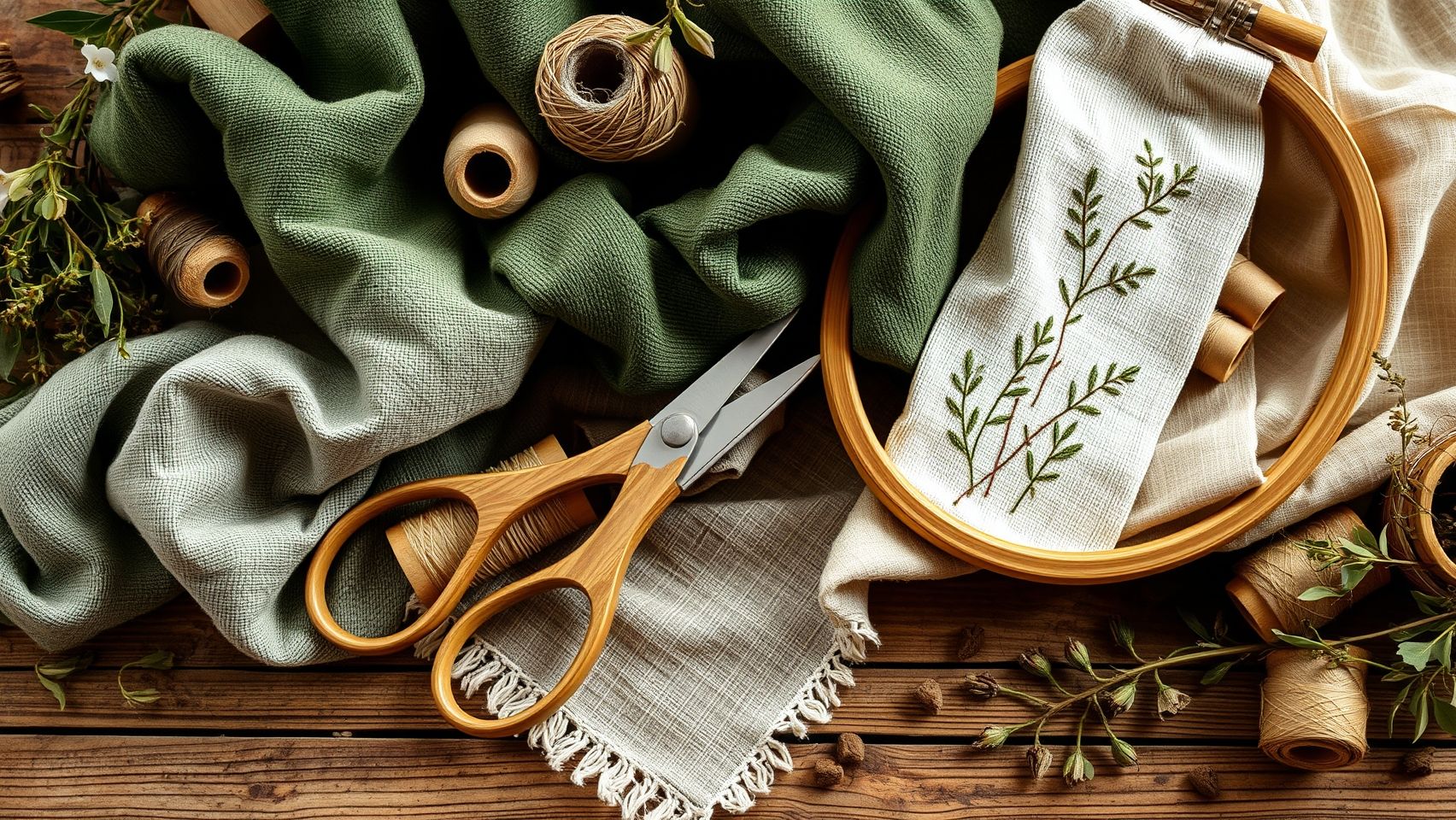
Embroidery is a beautiful craft, but it can also have a significant environmental footprint if we’re not mindful of the materials we choose. Luckily, there’s a growing range of sustainable options that can help you create vibrant designs while supporting environmental health. Whether you’re repurposing leftover fabrics or selecting eco-conscious threads, small choices can make a big difference.
Many artisans discover that incorporating recycled textiles into their projects isn’t just eco-friendly, it also adds unique textures and character to their work. For example, leftover fabric scraps can be transformed into patchwork backgrounds or even small accessories, giving new life to what might have been waste. Donating unused materials to local charities is another simple way to extend the lifecycle of textiles and reduce landfill burden.
Sustainable Thread Brands and Techniques
When it comes to threads, you’ll find some excellent brands offering eco-friendly options. Güttermann produces recycled polyester threads that typically cost around $6 per spool, perfect for vibrant stitches that mimic traditional polyester but with a lower environmental impact. Organic cotton threads from brands like NatureTex, priced around $8 per spool, are another fantastic choice, they’re made from fibers grown without harmful pesticides or synthetic fertilizers, and many have certifications like GOTS (Global Organic Textile Standard) to verify their sustainability.
To source these materials, you can browse online eco-friendly craft stores or check with local suppliers specializing in sustainable textiles. Always look for certification logos such as GOTS, OEKO-TEX, or Fair Trade on packaging, which assure you that the materials meet strict environmental and social standards.
Adjusting Your Machine for Sustainability
Optimizing your embroidery machine settings can also contribute to reducing waste and energy. For instance, decreasing stitch density and using fewer colors not only conserves thread but also lessens the machine’s workload, saving electricity. Experimenting with fewer color threads and combining them creatively can yield stunning results, proving that less really can be more. It takes some practice to find the right balance, but with patience, you’ll craft efficiently without sacrificing vibrancy.
Additionally, a quick tweak can be to select the ‘economical’ stitch options or enable energy-efficient modes if your machine offers these features. The result? Less thread consumption, lower power use, and a more sustainable approach, all while creating beautiful, durable embroidery designs.
Vibrant Designs with Sustainable Materials
Blending eco-friendly threads with traditional fabrics can result in designs that are not only visually stunning but also aligned with your values. For example, pairing organic cotton threads with recycled denim or hemp fabrics can elevate your project’s sustainability profile. Often, you’ll find that these natural or recycled materials blend beautifully, showing colors and textures that are hard to match with synthetic options.
In the end, choosing sustainable materials doesn’t mean compromising on quality. Instead, it invites you to be more intentional with each stitch, turning your craft into a statement of care for the environment. As awareness grows, so does the availability of these eco-friendly options, making it easier than ever to create with purpose.
Implementing Energy-Saving Techniques during Embroidery
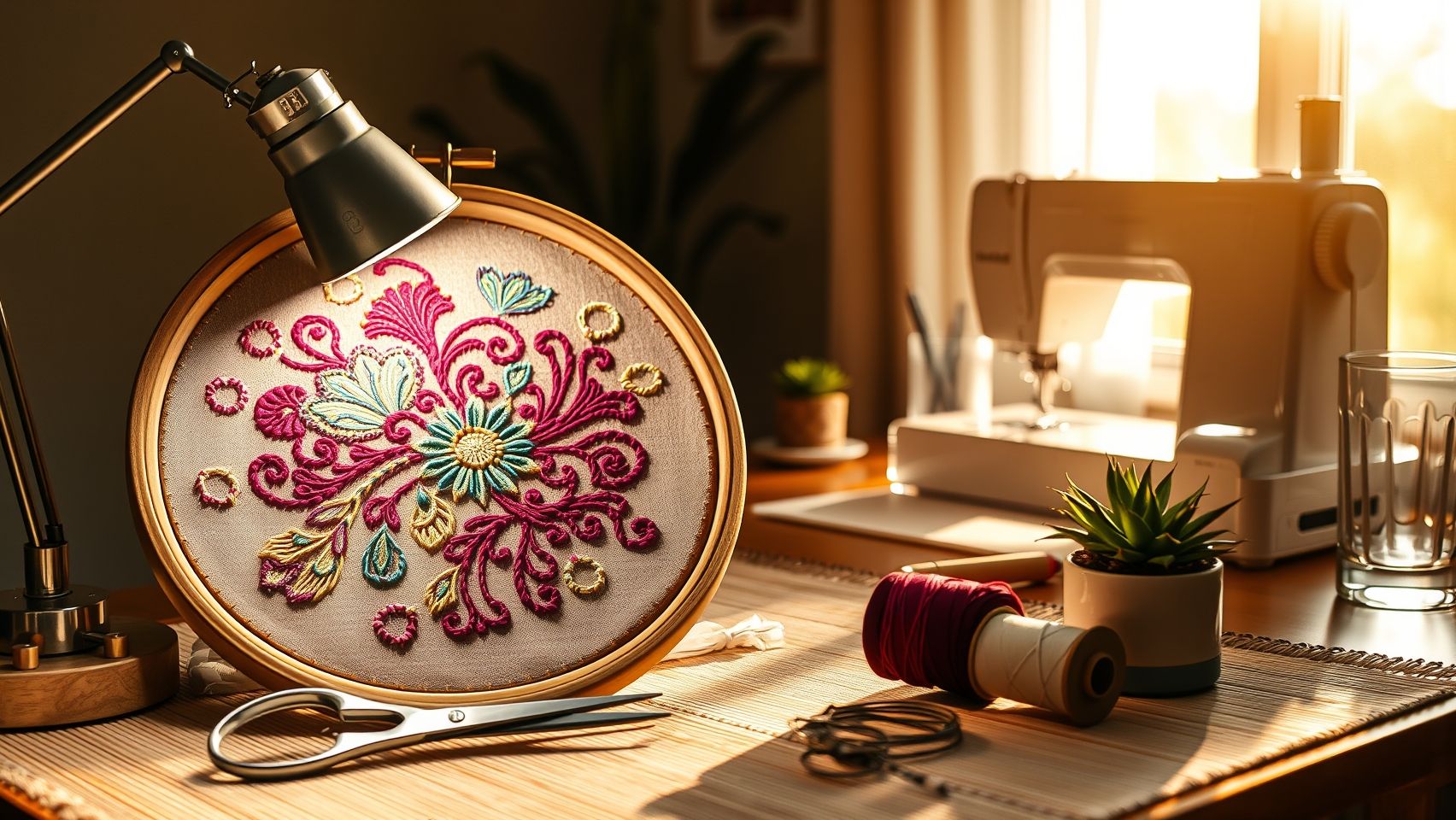
Embroidery enthusiasts often overlook how much energy their machines consume over time. But with just a few practical adjustments, you can significantly cut down on power use without sacrificing quality. Let’s explore a step-by-step approach to making your embroidery routines more eco-friendly and cost-effective.
Calibrating Your Embroidery Machine for Optimal Power Use
First, start with machine calibration. Brands like Janome and Bernina have built-in features designed to help you save energy. For instance, Bernina’s Eco Mode reduces power consumption by about 30% during idle times. To activate these modes, simply consult your machine’s manual to customize your settings, an easy step that pays off in lower energy bills and longer machine lifespan. Additionally, setting the appropriate stitch speed is crucial. Going too fast might lead to overheating and increased power draw, so adjust your speed based on your project complexity. On average, slower, steady speeds not only save energy but also improve stitch quality.
Planning Multi-Project Runs to Maximize Efficiency
Next, think ahead about your projects. Instead of running individual smaller embroidery jobs, plan your work to run multiple designs back-to-back. This minimizes the warm-up time and makes the most of your machine’s runtime. A useful discovery I made was batching designs with similar thread colors and stabilization needs, that way, you switch less often, and the machine stays operational longer without breaks. This method reduces idle time and fragmenting the workload, leading to more efficient energy use overall.
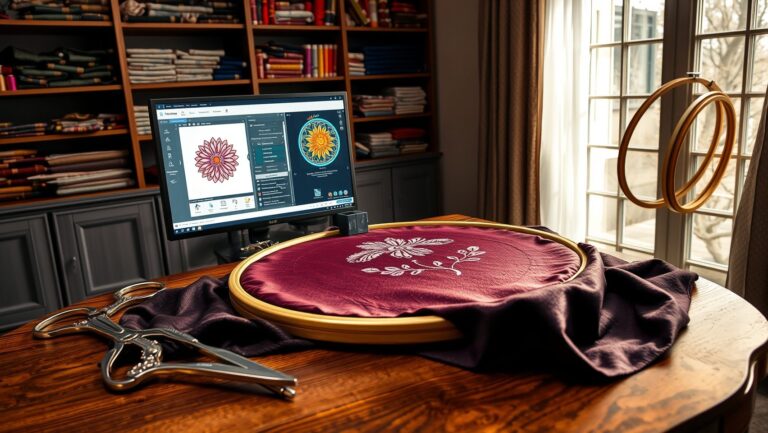
Using Digital Software to Reduce Stitch Count and Save Energy
Now, let’s talk about the magic of digital embroidery software like Wilcom Embroidery Studio 2023. Advanced features in the latest version optimize design outlines, reducing unnecessary stitches by up to 15%. This not only conserves thread but also cuts machine run time, saving precious energy. Pre-designing projects with fewer stitches before you transfer them to your embroidery machine is an efficient hack I swear by. It’s amazing how a little digital tweaking can lead to substantial energy savings in your workspace.
Maintaining Your Machine for Peak Efficiency
Regular maintenance also plays a vital role in energy conservation. Cleaning lint traps and removing dust prevent motor strain, which otherwise causes the machine to work harder and draw more power. Lubricating moving parts as recommended by your manufacturer keeps everything running smoothly. A well-maintained machine consumes less energy, runs quieter, and lasts longer, trust me, it’s worth the extra minutes of upkeep.
Scheduling During Off-Peak Hours
Finally, if you share a workspace or use a power grid with variable rates, scheduling your embroidery during off-peak hours can be a smart move. Not only does this reduce your overall energy footprint, but it might also lower your electricity costs. It’s a simple idea, but I’ve found that shifting my larger projects to late evenings practically halves my energy expenses while being kinder to the environment.
Recycling and Repurposing Waste and Materials in Embroidery
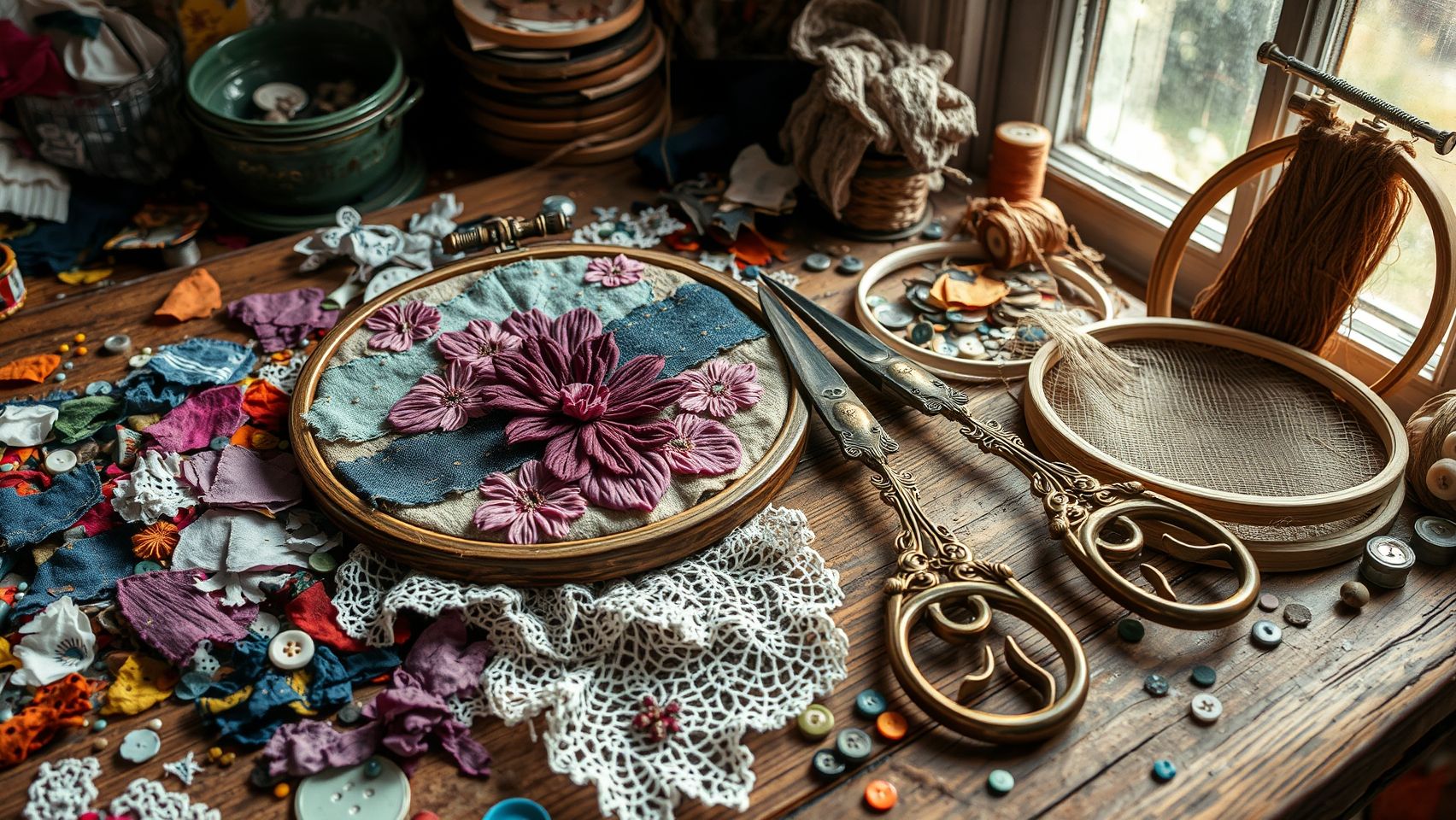
Embroidery is not only about creating beautiful designs, but it can also be a powerful tool for sustainability. Many experienced embroiderers discover that implementing waste reduction and recycling practices not only helps the environment but also sparks creativity. For example, collecting fabric scraps and thread trimmings that would otherwise be discarded can open up a world of repurposing possibilities. Small fabric remnants can become patches, small embroidery projects, or even stuffed accessories, turning waste into art.
One practical approach is to set up designated collection bins for thread trimmings and fabric scraps, then sort them according to type and quality. Thread trimmings are best gathered using small catchers around your machine to prevent them from scattering; fabric scraps can be stored for patchwork or donation. Interestingly, in communities like Antalya Old Town, textile scraps are actively recycled into insulation or stuffing, promoting a true circular economy.
Design Techniques to Minimize Fabric Waste
Efficient pattern layout is a game-changer, nesting designs closely and using software that offers nesting features can reduce fabric waste by up to 20%. Additionally, adjusting stitch density in your software can save material, especially on large, repetitive designs. For instance, lowering stitch density on non-visible areas or using smaller embroidery hoops can cut down fabric use considerably. Small changes like these, while seemingly minor, add up over the course of a project.
Tools like fabric cutters with rotary blades make trimming fabric more precise and easier, reducing ragged edges and excess material. Thread catchers and lint removers are also invaluable for keeping your workspace tidy, preventing leftover thread from turning into waste. Besides, creating small embroidered items, like patches, brooches, or keychains, from recycled fabrics or old embroidery scraps offers eco-friendly product options for markets or personal gifting.
Reducing Your Embroidery Carbon Footprint with Practical Tips
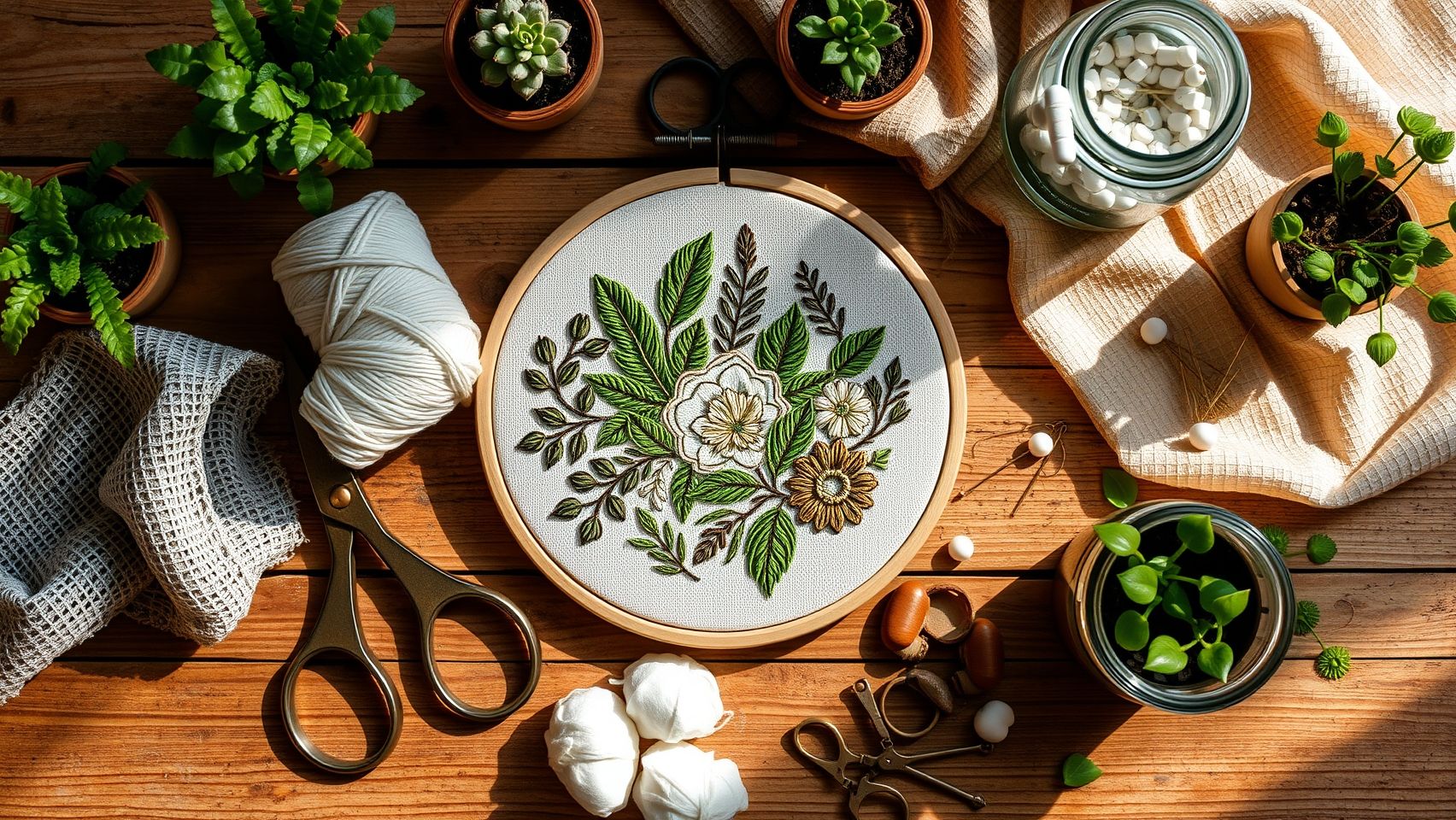
Embroidery is a beautiful craft, but like many artisanal activities, it can have a significant environmental impact, especially when considering sourcing, energy use, and waste. Luckily, there are practical steps each of us can take to make our embroidery practices more eco-friendly and help reduce our overall carbon footprint. Small changes, when gathered together, can lead to meaningful environmental improvements.
One of the simplest yet most effective strategies is sourcing local and regional materials. For instance, Turkish artisans often use fabrics, threads, and dyes produced nearby, which drastically reduces transportation emissions. Choosing natural and locally produced fabrics not only cuts down on carbon emissions but also supports local economies and sustains traditional craftsmanship. Additionally, switching to natural dyes derived from plants or minerals supports local ecosystems and minimizes chemical runoff, a win-win for both the environment and the craft.
Opt for Energy-Efficient Equipment and Better Workflows
Upgrading to energy-efficient embroidery machines and software can make a big difference. Many of today’s modern machines come with programmable shutdown features, so you’re not leaving them running idly. Simple practices like turning off your machine after completing a project can save a surprising amount of energy over time. It might seem minor, but these small adjustments collectively contribute to lower energy consumption and reduce your carbon footprint.
Design Smart: Reuse, Restyle, and Share Digitally
Choosing durable, versatile designs also extends the lifespan of your products. Think about creating versatile pieces that can be restyled or reused, this reduces waste and the need for constant new production. Plus, sharing patterns and tutorials online encourages other artisans to adopt sustainable practices and reduces the need for physical materials and travel. Digital pattern sharing can cut down on printed resources and shipping emissions, fostering a community of eco-conscious embroiderers.
Reduce Packaging and Waste in Shipping
When shipping finished embroidered items, opt for biodegradable or recycled packaging materials. Not only does this lessen waste, but it also aligns with the growing demand for environmentally responsible packaging solutions. Some artisans even coordinate local pick-ups or use reusable packaging to minimize impact further.
By taking these steps, sourcing locally, choosing energy-efficient tools, designing products for longevity, and reducing shipping waste, you’re actively contributing to a greener embroidery industry. Every action, no matter how small, creates a ripple effect toward a more sustainable craft practice.
Choosing Tools and Machines that Support Sustainable Embroidery
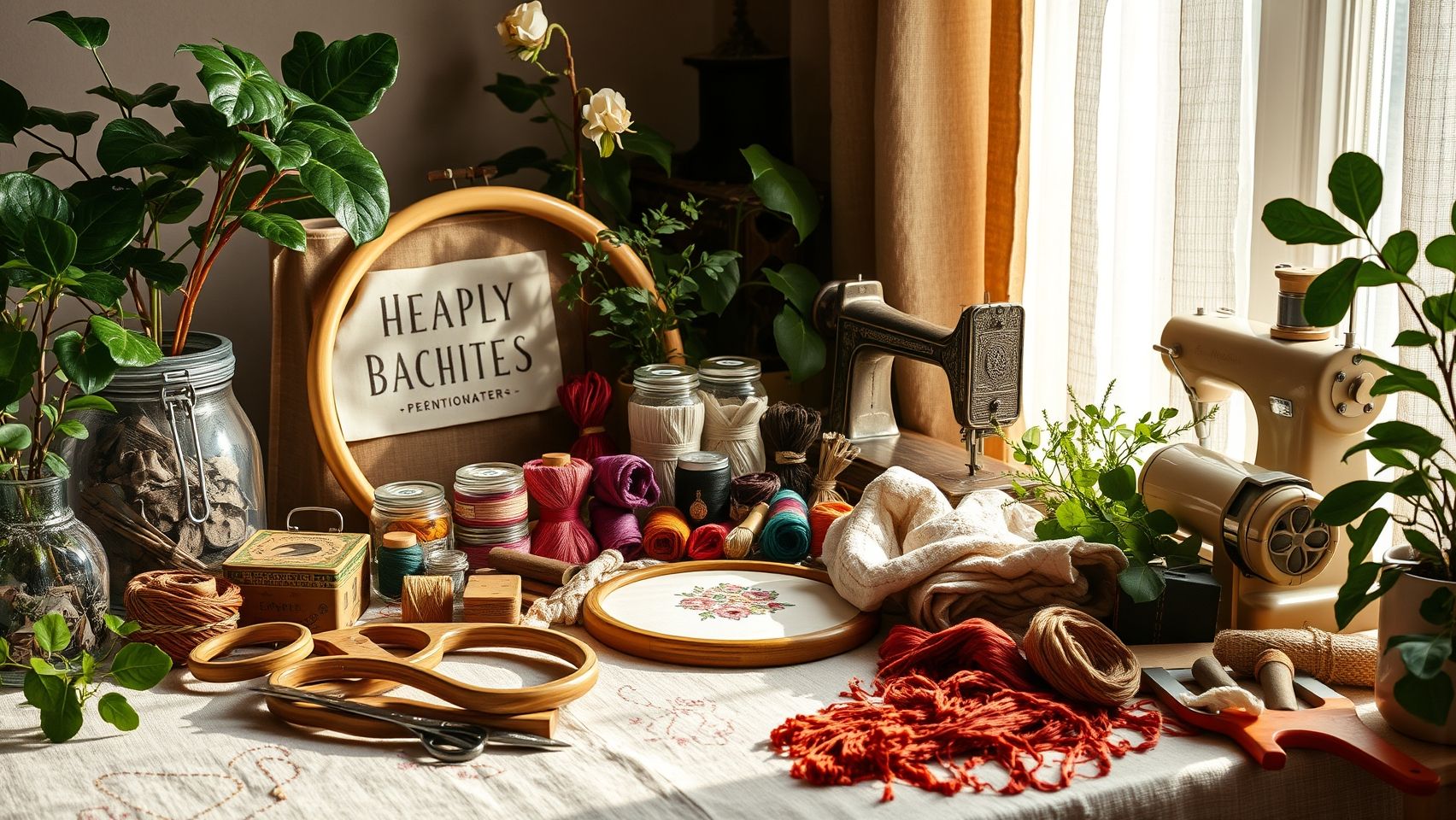
When it comes to making eco-friendly choices in embroidery, selecting the right machine is just as important as choosing sustainable threads or fabrics. Nowadays, many modern embroidery machines come equipped with energy-efficient features that not only reduce your carbon footprint but can also save you money in the long run. If you’re striving to make your craft more environmentally conscious, understanding what to look for in a machine can make all the difference.
Take, for example, the Bernina 790 Plus, an impressive model that includes an eco-mode reducing energy consumption by approximately 25%. Similarly, Janome’s latest models feature automatic thread cutters that not only decrease waste by optimizing thread use but also increase operational efficiency. These innovations exemplify how cutting-edge technology can align with sustainability goals without compromising performance or versatility.
Popular Embroidery Machines with Eco-Friendly Features
To help navigate the options, here’s a quick overview of some top-rated embroidery machines noted for their energy-saving capabilities:
Brand Analysis and Longevity
When evaluating brands, consider factors like repairability, upgradeability, and typical lifespan. Brands such as Bernina and Janome are renowned for their durability and ease of repair, which inherently reduces environmental impact since their machines last longer and can be maintained easily. High-quality machines tend to have a broader upgrade path, allowing you to keep up with technological advances without a complete replacement, a key sustainability advantage. Although the initial investment might be higher, the cost-per-year of operation often favors these brands over cheaper counterparts that may need replacement sooner.
Additionally, look for certifications or eco-labels on the packaging or in the product specifications. Certifications from recognized bodies can verify that the machine meets specific environmental standards, such as energy efficiency ratings or low VOC emissions, which are crucial for conscious buyers.
Cost-Benefit Analysis
In conclusion, choosing an energy-efficient embroidery machine with modern eco-friendly features can significantly impact your sustainability efforts. As technology continues to evolve, expect even more innovative options that blend performance with environmental responsibility, promising a brighter and greener future for our craft.
Conclusion
Embracing sustainable practices in embroidery isn’t just a trend; it’s a meaningful step toward protecting our environment while honing your craft. Reflecting on the key steps, assessing your machine’s impact, choosing eco-friendly materials, optimizing energy use, recycling waste, and selecting sustainable tools, you’ve uncovered practical ways to make a difference.
Starting small with energy audits and material substitutions allows you to build momentum without feeling overwhelmed. Each choice, no matter how minor, contributes to a larger positive impact. Remember, patience and consistency are essential; sustainable change in embroidery is a journey, not a sprint.
As an experienced embroiderer, I encourage you to see this as an ongoing opportunity for growth. Experiment, observe, and refine your practices, your efforts will inspire others and foster a community committed to eco-conscious artistry. Small changes can lead to significant environmental benefits, and with every stitch, you help weave a better future.
So why not take that first step today? Conduct a simple energy audit, explore sustainable materials, and gradually implement more eco-friendly habits. Track your progress and celebrate each milestone. Together, we can transform our passion for embroidery into a force for good that transcends generations. Keep stitching thoughtfully, your craft has the power to change the world.