How to Track Embroidery Thread Use and Save Costs
This post contains affiliate links. As an Amazon Associate, Latest Embroidery earns from qualifying
purchases, at no extra cost to you. Learn more.
Ever feel overwhelmed tracking your embroidery thread waste and expenses? If you’re tired of running out of thread mid-project or seeing your costs skyrocket, you’re not alone. The embroidery industry, valued at over $906 billion globally, faces constant challenges from thread waste, inventory shortages, and rising raw material prices. Properly tracking your thread usage can dramatically cut costs, reduce waste, and optimize your workflow, whether you’re a hobbyist or running a small business.
Imagine knowing exactly how much thread you need for each project, avoiding unnecessary purchases, and boosting your efficiency, all without tedious manual logs. Luckily, there are smart tools and techniques that make this possible. These solutions not only save you money but also free up your time, so you can focus on creating and expanding your craft. Ready to take control of your thread management? Keep reading for practical tips, handy tools, and insider strategies that will transform how you track your embroidery thread use.
What Embroidery Thread Consumption Looks Like in Real Projects
Short on time? If you only take one thing from this guide: 40wt polyester thread set — the single cheapest fix for shredding and thread breaks.

Tracking embroidery thread consumption is essential for understanding how much material is used during different types of projects and for managing costs effectively. In real-world applications, thread usage varies significantly depending on the project’s complexity, size, and the machine’s features. For embroiderers, knowing these patterns can prevent surprises, such as running out of thread mid-job, and help optimize fabric and thread purchases.
Recent trends, including a 70% growth in personalized embroidery projects, underscore the need for precise consumption tracking to minimize waste and control expenses. Advances in machine technology, like automatic thread cutters and real-time counters, are transforming how users monitor usage, making it easier to achieve accuracy and efficiency. Understanding typical usage rates and waste levels can considerably impact overall costs, especially as eco-friendly threads tend to have higher consumption variability, demanding more careful tracking.
Common Thread Consumption Patterns in Different Projects
In general, project types significantly influence thread consumption. For instance, a large wall art embroidered with dense fill stitches might use between 50 to 200 meters of thread per project, depending on size and detail. Conversely, smaller apparel embellishments or monograms often consume less than 25 meters. Industry data suggests that typical thread runs out about every 10-15 projects, but this can vary with project intricacy and thread type. Eco-friendly threads, while popular for their sustainability, tend to have a consumption rate that fluctuates more, necessitating more careful tracking to avoid unexpected costs.
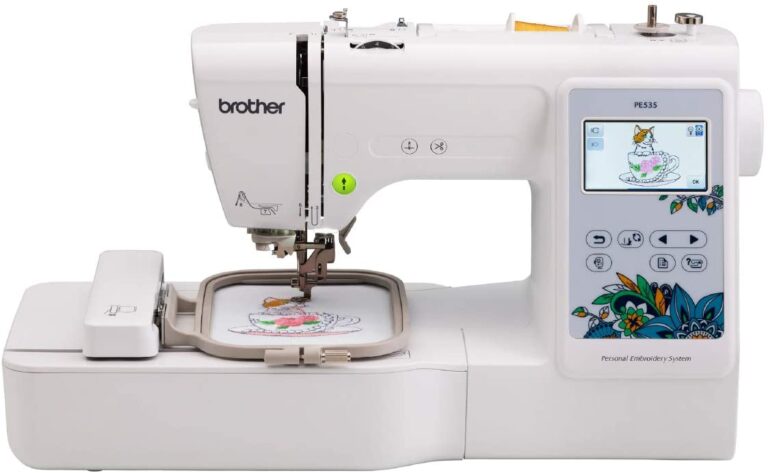
Modern embroidery machines from brands like Brother (e.g., Innov-ís series), Janome, and Bernina come equipped with advanced features for usage tracking. For instance, the Brother Innov-ís NS1550D includes built-in thread counters that provide real-time updates on remaining thread length, greatly reducing waste. Such features are contributing to more precise consumption estimates, leading to cost savings over time. Without proper tracking, industry stats show that up to 60% of thread can be wasted, mainly due to overestimation or leftover spools.
Impact of Technology and Trends on Thread Waste and Usage
Recent developments highlight how machine features influence overall consumption. Automatic thread cut functions help minimize excess thread by cutting precisely when the design is complete, reducing waste. Additionally, real-time counters provide accurate data on thread usage, allowing users to plan better and reorder only what is necessary. According to industry reports, these technological advancements contribute to decreasing waste percentages to as low as 10-15%, a significant improvement from traditional methods.
Brands like Janome and Bernina have incorporated these innovations into their newer models, which not only improve efficiency but also support sustainable practices. The increased demand for personalization and small-batch production encourages embroiderers to adopt such monitoring tools to optimize material usage and overall costs. As the craft industry continues to evolve, precise tracking remains a key component for successful, cost-effective embroidery endeavors.
Step-by-Step Guide to Manual Thread Consumption Logging

Tracking embroidery thread consumption manually might seem outdated in the digital age, but it remains a simple and effective method for beginners or those with small setups. By keeping organized logs, you can identify waste patterns, optimize purchases, and ultimately save costs. This guide walks you through creating a straightforward system using everyday tools like notebooks or spreadsheets.
Select a Logging Method
Start by choosing a dedicated notebook or a digital spreadsheet template on platforms like Excel or Google Sheets. A well-structured template should include columns for project details, thread brand, starting spool size, stitch count, and length used. Visualize your setup with a simple table that can be easily updated after every project.
Record Initial Data
Before beginning each project, note the spool size and brand/model. Record the type of project (e.g., lettering, filling patterns), and the estimated stitch count. For example, a typical embroidery lettering project might use about 1.5 meters of thread per 1000 stitches. Tracking this data helps you build a baseline for your consumption.
Log Thread Changes and Usage
During the project, track every time you change the thread spool. After finishing, record the actual length used, which can be estimated by subtracting the remaining thread from the starting amount. Use a measuring tape or visual gauge for accuracy if needed. Consistently updating this data over time reveals valuable patterns.
Analyze and Optimize
Periodically review your logs, weekly or monthly, to calculate average usage per project type. Spotting high-waste projects or popular thread brands enables better purchasing decisions. Use color coding to flag projects with excessive thread use or repeated brand choices, facilitating quick visual assessments. Adjust your order quantities based on these trends to minimize waste and costs.
Sample Spreadsheet Template
Creating a customized spreadsheet can streamline this process. For example, include columns like:
- Project Name
- Thread Brand/Model
- Start Spool Size (meters)
- End Spool Size (meters)
- Used Length (meters)
- Number of Stitches
- Notes
Monitoring these parameters over time will help you refine your thread usage efficiency, saving money and reducing waste in your embroidery projects.
Using Software and Digital Tools for Accurate Thread Monitoring

In today’s embroidery landscape, digital tools have revolutionized thread consumption tracking, making it more efficient and precise. Embroidery-specific software and mobile apps enable users to automate inventory management, project planning, and consumption estimation, reducing waste and saving costs. Integrating these solutions into your workflow can significantly enhance productivity and accuracy, especially when managing multiple projects or large inventories.
Popular software options like Wilcom, Hatch, and Brother’s CanvasWorkspace offer robust features that sync seamlessly with modern embroidery machines. These platforms not only streamline design creation but also provide detailed job data logging, including thread usage, stitch counts, and production time. Here’s a practical guide to setting up and maximizing these digital tools for optimal thread management.
Inputting Project Details and Automating Thread Length Estimation
Start by importing your design files into embroidery software such as Wilcom or Hatch. Once imported, input specific project parameters, including fabric type, thread brand, and color palette. These platforms typically allow you to assign thread colors and quantities directly within the software.
Advanced features in these programs can automatically estimate thread consumption based on stitch counts. For example, many machines like the Bernina 580 and Janome Memory Craft 9850 have software that logs job data and offers automatic thread estimation. These features utilize stitch count data to generate precise thread length estimates, improving planning accuracy and reducing excess inventory.
Implementing RFID/Tagging Systems for Real-Time Inventory Updates
To further optimize tracking, RFID tags or barcode systems can be integrated with your embroidery workflow. Tagging each spool with RFID chips allows your software to update inventory levels in real time whenever a spool is used or replenished. This eliminates manual tracking errors and provides instant visibility into stock levels.
Many modern inventory solutions incorporate barcode scanning, making quick updates as you replace or use up thread spools. This rapid data entry reduces downtime and ensures your inventory reflects actual usage, helping to identify waste patterns and streamline procurement.
Generating Usage Reports and Identifying Waste Patterns
Most embroidery management software offers comprehensive reporting features that summarize thread usage across projects. These reports can identify overuse, underuse, or wastage trends, enabling proactive inventory adjustments. Regular review of usage reports helps detect anomalies or inefficient practices and informs better purchasing decisions.
Utilizing these insights, embroidery businesses can implement inventory controls, optimize thread purchase quantities, and minimize costs. Automated report generation also frees up time spent on manual tracking, allowing you to focus on creating quality designs and expanding your craft business.
Setup Tips and Automation Enhancements
For smooth integration, connect your embroidery machine to your software via Wi-Fi, ensuring seamless data transfer and remote management. Importing designs from platforms like Canva or Printful directly into your embroidery software can further streamline workflows. Additionally, barcode scanners for thread spools enable quick inventory updates, simply scan a spool to log its usage instantly.
Many solutions also support the import of design templates or color libraries, simplifying the project setup process. Proper setup not only enhances accuracy but also accelerates production cycles, saving both time and resources in the long run.
Implementing Inventory Management and Waste Reduction Tactics

Effective management of embroidery thread inventory is essential for minimizing waste and controlling costs, especially when working with upcycled fabrics and eco-friendly threads that are more sensitive to overuse. By organizing, tracking, and optimizing your thread stock, you can significantly improve operational efficiency and sustainability. This section provides practical procedures to set up and maintain a streamlined inventory system tailored for embroidery enthusiasts and professionals alike.
Set Up Categorized Storage for Different Thread Types, Brands, and Colors
Start by creating designated storage areas for each category, separating by thread types (e.g., polyester, cotton, metallic), brands, and colors. Use clear, labeled bins or drawers to facilitate quick access and prevent unintentional overstocking. Color-coding storage containers can further enhance speed and accuracy during setup or reordering, reducing the likelihood of excess inventory that leads to waste.
Implement Barcode Labels or RFID Tags for Each Spool
Attach barcode labels or RFID tags to every spool for rapid stock checks. RFID technology can reduce inventory counting from hours to just a few minutes, offering real-time data that helps in proactively managing thread levels. OF software solutions like StitchLink integrate seamlessly with RFID tags, providing automated updates and alerts whenever stock levels fall below predefined thresholds.
Create a Reorder System Based on Minimum Stock Levels
Set minimum stock thresholds derived from your historical usage data to trigger automatic reordering. Regularly review consumption patterns, especially for frequently used colors and types, to refine reorder points. Implementing alerts or automated purchase orders ensures you never run out of essential threads, thus avoiding costly production delays and excess purchases of seldom-used spools.
Introduce Batch Tracking: Batch Number, Date, and Spool Usage History
Track each batch of thread with distinct batch numbers, recording the production or purchase date alongside spool usage history. This practice helps monitor thread longevity and quality issues, enabling you to utilize older stock first (FIFO method). For eco-conscious projects, batch tracking also reduces waste by minimizing overstock of near-expiry or compromised threads.
Conduct Regular Audits to Evaluate Thread Consumption vs. Inventory
Schedule periodic inventory audits to compare actual stock with digital records. This process reveals discrepancies, identifies over- or under-utilized spools, and guides adjustments to inventory management. Regular audits foster accountability and keep your thread usage aligned with project needs, reducing unnecessary waste.
Train Staff or Yourself on Waste Reduction Practices
Invest in training on efficient waste reduction techniques, such as snipping excess thread precisely and storing leftover thread properly for future use. Encouraging mindful practices, including avoiding unnecessary trimming and properly sealing spools, can extend thread lifespan. Integrate eco-friendly tips into your routine to align with sustainable craft goals, thus decreasing overall waste and costs.
Harnessing these inventory management strategies ensures a streamlined, cost-effective workflow that benefits both your budget and the environment. Maintaining a meticulous system tailored to your usage patterns allows you to embrace the full potential of eco-friendly threads and upcycled fabrics while keeping waste to a minimum.
Cost-Saving Analysis and ROI from Thread Tracking Improvements

Accurate tracking of embroidery thread consumption can significantly impact a business’s bottom line. By monitoring usage patterns, companies can identify waste hotspots and adjust procurement strategies accordingly. Studies indicate that implementing advanced tracking systems can reduce thread waste by 10-20%, translating into substantial savings over time, especially for high-volume producers.
For small businesses working on hundreds of projects annually, these savings quickly add up. For example, a typical spool costs between $1.50 and $5, and an average project might use one to three spools depending on complexity. Tracking tools help prevent overordering and minimize waste, leading to increased profitability and sustainability.
Example Calculation and Benefits
Suppose a small embroidery shop processes 500 projects a year. Without proper tracking, waste might be around 15%, which equates to roughly $150 annually in thread costs, based on average spool prices and usage rates. Transitioning from manual logs to RFID or software systems can further cut this waste by an additional 5%, saving approximately $75 more, culminating in total savings of about $225 annually.
This investment in technology may seem upfront, but the payoff includes decreased project delays, more accurate inventory management, and improved customer satisfaction. These efficiencies contribute not only to tangible cost reductions but also elevate the overall quality and reliability of the shop’s services.
Manual Logging vs. Technological Investment
Manual thread logging, though inexpensive initially, often results in overordering and excessive waste due to human error. Investing in dedicated tracking systems, like RFID tags or embroidery management software, incurs higher upfront costs, ranging from several hundred to thousands of dollars, but provides detailed, real-time usage data that facilitates smarter procurement decisions. This can lead to a 15% waste reduction, equating to approximately $150 annual savings per user working on 500 projects a year.
Overall, a business that strategically invests in thread tracking tools can expect a quick return on investment, not just through direct material savings but also through enhanced operational efficiency, reduced delays, and improved customer experiences.
Troubleshooting Common Thread Tracking Issues

Accurate tracking of embroidery thread consumption is vital for efficient inventory management and cost control. However, common issues like inaccurate counts, software glitches, and inventory discrepancies can disrupt this process. Addressing these problems with simple, practical solutions helps ensure your records stay reliable and your workflow remains smooth.
Ensuring Accurate Stitch Counts through Proper Machine Settings
One of the primary causes of inaccurate thread usage data is incorrect machine calibration. Regularly calibrate your embroidery machine according to the manufacturer’s guidelines, ideally every few weeks or after significant maintenance. Cleaning and maintaining your machine, including checking the tension and sensor alignment, also significantly improves counting accuracy. Proper settings ensure that each stitch is correctly recorded, preventing over- or underestimations of thread consumption.
Resolving Software Syncing Errors and Inventory Discrepancies
Software glitches can cause misalignment between actual thread use and recorded data. Troubleshoot by checking for software updates and ensuring your device’s firmware is current. Re-sync your system manually to realign data, and verify that your communication connections are stable. When discrepancies occur, perform regular inventory audits, recount spool stocks and match them with software logs. Implementing double-check systems when reordering or counting spools reduces errors and helps catch discrepancies early.
Handling Thread Breakages and Spool Damage
Thread breakages and damanged spools distort consumption records, leading to inaccurate data. Inspect spools regularly for signs of wear, damage, or tangling. When a break occurs, record the event manually and adjust your total thread consumption accordingly. Keep replacement spools on hand to quickly swap out damaged ones, maintaining seamless production. Documenting such incidents ensures your consumption logs remain precise.
Manual Backup Methods and Routine Audits
When technology fails, manual backup methods like physical logs or handwritten records serve as reliable fallbacks. Keep a dedicated ledger or log sheet to track thread usage during machine downtime. Conduct routine audits monthly, reconcile physical spool counts with digital records to identify and correct discrepancies promptly. This proactive approach prevents small issues from escalating into major inventory problems, conserving costs and maintaining operational continuity.
Conclusion
Mastering the art of tracking embroidery thread consumption is a powerful step toward reducing waste, saving costs, and elevating your craftsmanship. By combining practical tools with disciplined habits, you can gain full visibility of your thread usage, which directly translates into more efficient projects and improved quality. Whether you start with a simple manual log or transition to digital inventory systems, consistent recording and regular review are key to refining your process over time.
- Implement a simple manual logging system today to begin understanding your thread consumption patterns.
- Explore automation options as your needs grow to streamline the process and save even more time and resources.
- Clearly record, review regularly, and refine your process to maximize savings, reduce waste, and enhance your embroidery craftsmanship.
Taking these steps today empowers you to craft more efficiently and confidently, invest in organization, and watch your embroidery projects flourish with less expense and greater satisfaction.
Start now, because organized thread management is the embroidery secret to unlocking your full creative potential. Happy stitching!