Embroidery Machine Oil Guide: Maintain Your Machine for Perfect Stitches
This post contains affiliate links. As an Amazon Associate, Latest Embroidery earns from qualifying
purchases, at no extra cost to you. Learn more.
Are your embroidery projects skipping stitches or jamming unexpectedly? Nothing disrupts creativity like a machine that’s not running smoothly. Proper lubrication is key to keeping your embroidery machine in top shape. Neglecting this simple maintenance step can lead to frequent breakdowns, increased wear and tear, and even costly repairs. But don’t worry, adequate oiling is a quick fix with long-term benefits. Regularly lubing your machine not only enhances stitch quality but also extends its lifespan and saves you money on repairs. Think of it as giving your machine a daily wellness check that prevents small issues from turning into big problems. Whether you’re a hobbyist or a professional, mastering the art of proper oiling ensures flawless stitching every time. Ready to keep your machine humming along at peak performance? Keep reading for clear, step-by-step tips to maintain your embroidery tool and achieve perfect stitches every time:
To learn more about the essential maintenance routines and the best types of oil to use, visit Daily Maintenance Guide. This resource offers detailed instructions to make your upkeep routine straightforward and effective.
Step-by-Step Guide to Oiling Your Embroidery Machine
Short on time? If you only take one thing from this guide: Machine oil & cleaning kit — most “faulty machine” problems are lint and a dry hook race.
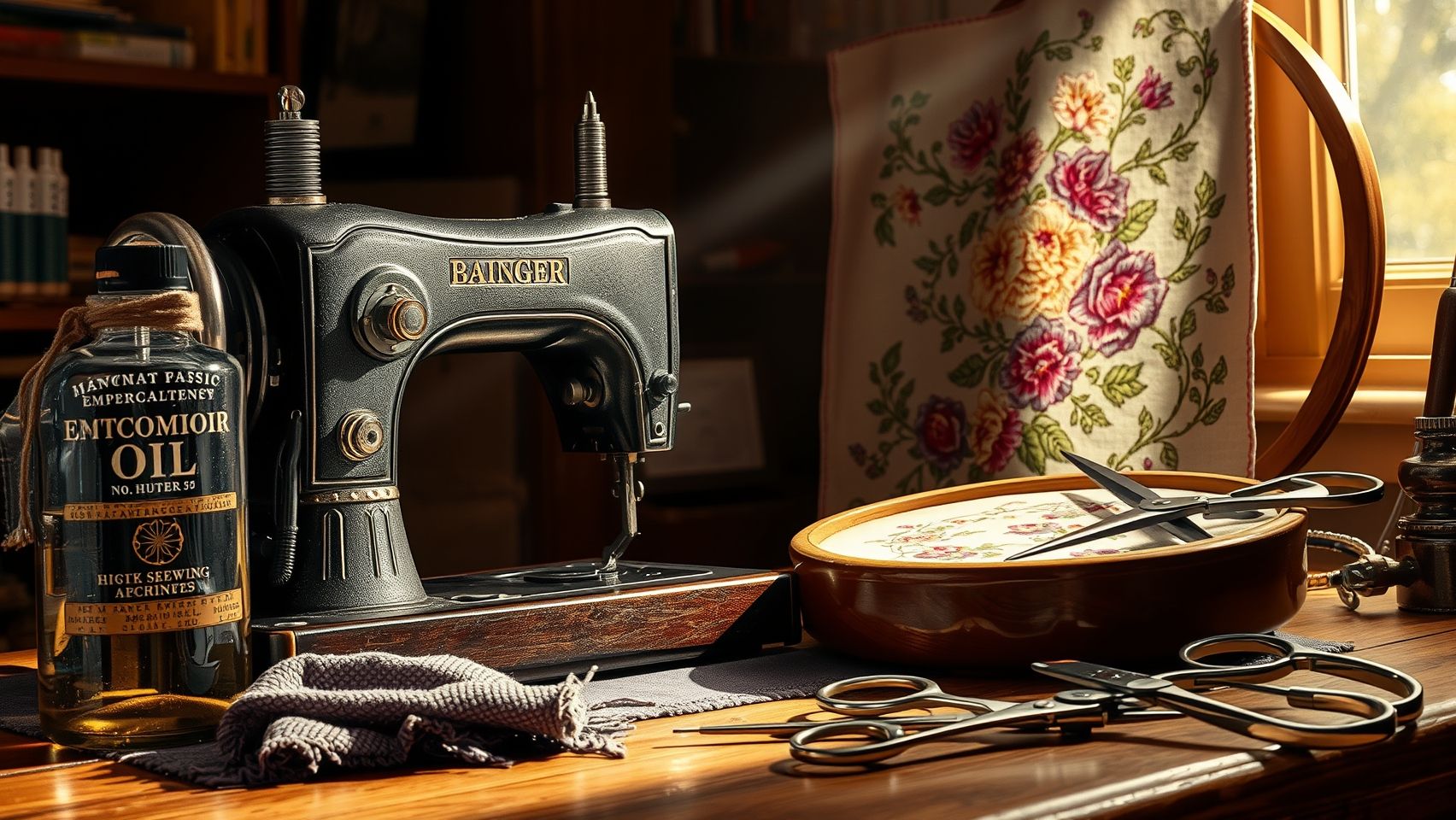
Proper maintenance of your embroidery machine is essential for achieving flawless stitches and extending the lifespan of your equipment. Regular oiling ensures that all moving parts operate smoothly, reducing wear and preventing costly repairs. Follow this straightforward, step-by-step process to keep your machine in top condition.
Identify Oil Points
Begin by locating the key oil points on your embroidery machine. Typically, these include the needle bar, hook assembly, bobbin case, and gear areas. For machines like Janome Skyline S9, these points are often near the needle holder, around the hook mechanism, and within the gear housing. Refer to your machine’s manual for specific locations to ensure accurate maintenance.
Gather Recommended Products
Use high-quality sewing machine oil such as Singer or Bernina brands, or synthetic lubricants designed explicitly for embroidery machines. Prepare lint-free cloths for cleaning, and consider using a magnifying tool if your machine has tiny or hard-to-see oil points. Avoid using household oils, which can gum up and damage your machine over time.
Preparation and Cleaning
Always turn off and unplug your machine before starting maintenance. Use a small brush or a pin to carefully remove dust, lint, and any debris from the oil points. Proper cleaning prevents dust buildup that can hinder oil circulation and cause mechanical issues. For deeper cleaning, compressed air can be used to blow away stubborn dust particles.
Applying Oil Correctly
Apply a few drops of oil to each identified point, no need to overdo it. Use a small oiling applicator or the tip of your bottle to control the amount. Turn the embroidery machine on and run it at a slow speed for 2-3 minutes. This helps distribute the oil evenly across all moving parts and ensures smooth operation. Wipe away any excess oil to prevent it from attracting dust or interfering with fabric feeding.
Creating a Maintenance Schedule
For optimal performance, oil your embroidery machine every 20-50 hours of operation or once a month if used infrequently. Regular maintenance includes cleaning dust, checking for loose screws, and inspecting oil points. Keeping a schedule ensures consistent stitches and reduces downtime, especially for professional embroidery setups.
Implementing these simple steps will help you maintain a reliable and high-performing embroidery machine, ensuring beautiful, precise stitches with every project. Remember, consistent care extends the life of your investment and can save money on repairs and replacements over time.
Tools, Equipment, and Products for Effective Machine Oiling
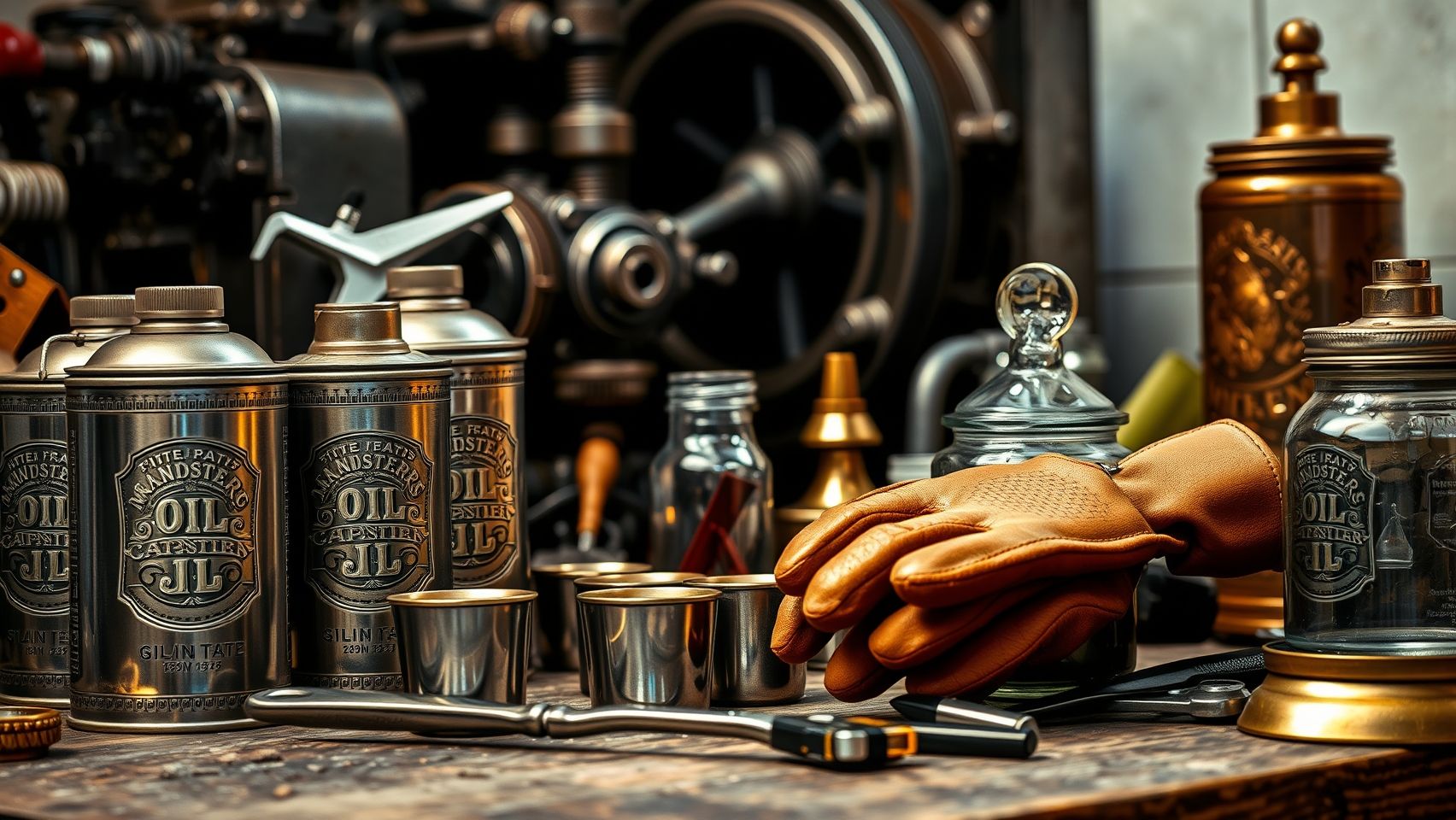
Maintaining your embroidery machine with proper oiling is essential for ensuring smooth operation and high-quality stitches. Using the right tools and supplies not only prolongs the lifespan of your machine but also prevents costly repairs. This section highlights the essential products, brands, and accessories that embroidery professionals recommend for optimal maintenance.
High-quality lubricants, specialized brushes, and precise applicators are crucial for effective cleaning and oiling. Investing in reputable brands such as Singer, Bernina, or Janome ensures compatibility and performance, as these brands offer machine-specific oils formulated for delicate components and gears.
Essential Supplies and Brands
Reliable lubricants like Singer’s Sewing Machine Oil, Bernina’s oil, and Janome-specific lubricants are highly recommended for their purity and formulation tailored to embroidery equipment. These oils prevent buildup and reduce wear on moving parts. In addition, small brushes and lint-free cloths help in cleaning and applying oil accurately, especially in tight spots. Magnifiers assist in detailed work, ensuring precise application without over-oiling.
Applicator bottles or precision droppers facilitate controlled oil application, minimizing waste and preventing excess that could attract lint or cause damage. Replacement parts such as additional oil caps, brushes, and cleaning tools are also essential for ongoing maintenance.
Optional Accessories and Maintenance Kits
Silicone sprays designed for gears and moving parts can be optional upgrades, providing extra lubrication and smooth operation. When selecting maintenance kits, compare features of popular options like the Janome Care Kit and Singer Maintenance Kit. These kits often include brushes, oils, cleaning cloths, and applicators tailored for different machine models, offering convenience and comprehensive coverage.
DIY Maintenance vs Professional Servicing: What You Need to Know
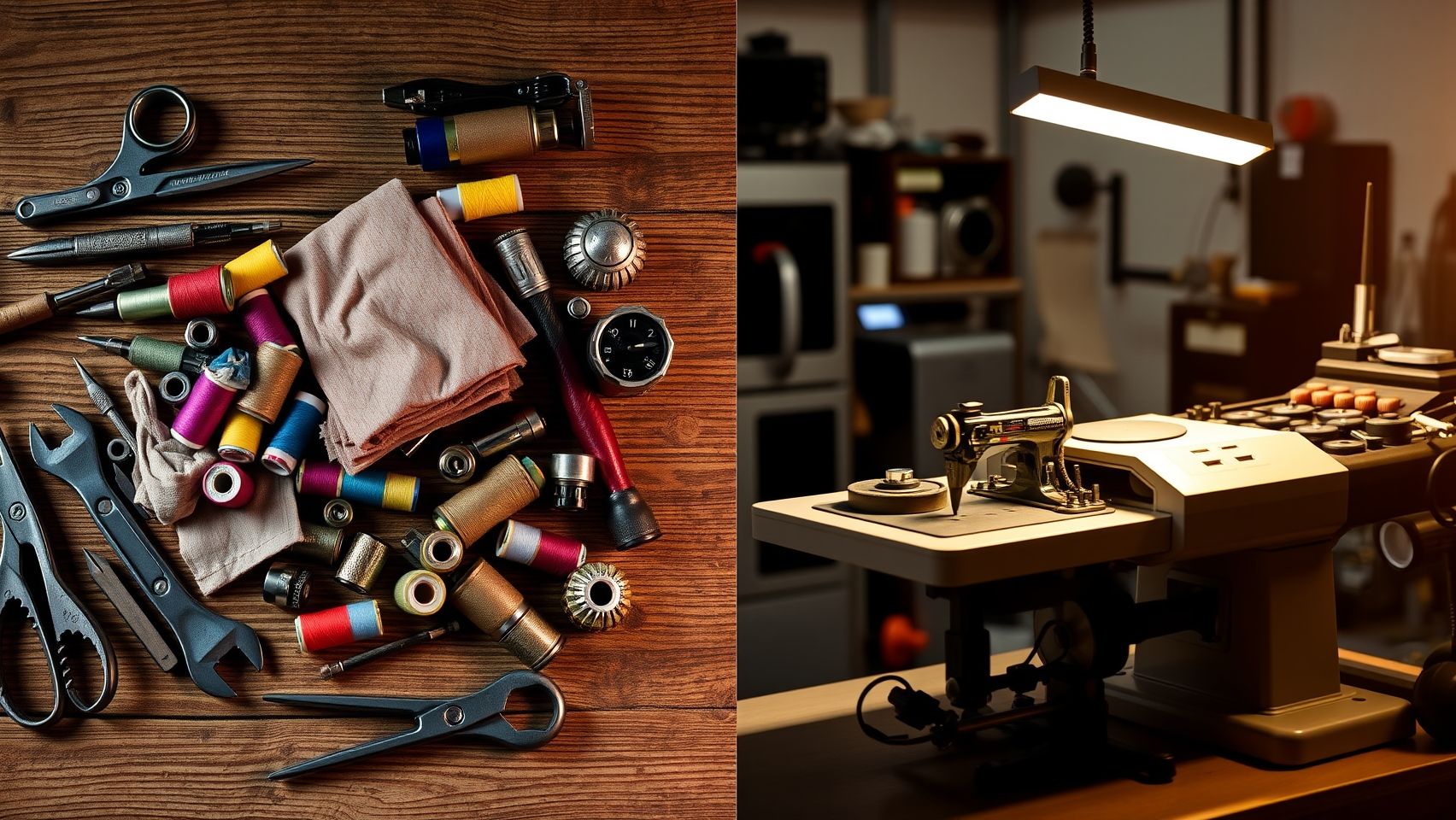
Maintaining your embroidery machine is crucial for ensuring smooth operation and perfect stitches. When it comes to oiling and basic upkeep, many users weigh the options of doing it themselves or hiring professionals. Each approach offers distinct benefits, costs, and risks that can influence your decision-making process.
Understanding the advantages and potential pitfalls of both methods can help you choose the best maintenance routine for your needs, whether you’re a hobbyist or an experienced embroiderer.
Benefits and Costs of DIY Maintenance
Performing your own maintenance, including oiling your embroidery machine, can be highly cost-effective. Basic supplies, such as embroidery machine-specific oil and simple tools, typically cost between $10 and $20, making it accessible for most users. DIY maintenance offers immediate access, you can service your machine whenever needed without waiting for appointments or shipping times. Additionally, engaging in regular upkeep can be a valuable learning opportunity, helping you better understand your equipment and recognize issues early.
However, improper oiling poses risks. Over-lubrication can lead to gunk buildup, which hampers machine function, while missing critical points during lubrication may cause uneven stitches or damage over time. Following detailed manufacturer manuals and watching tutorials ensures correct procedures. Only designated oils should be used to avoid damaging precision parts and voiding warranties. Proper maintenance can extend your machine’s lifespan significantly when executed correctly.
Advantages and Drawbacks of Professional Servicing
Professional embroidery machine servicing offers a thorough cleaning, inspection, part replacement, and calibration. Technicians can identify hidden issues and optimize your machine’s performance using advanced tools and expertise. Costs typically range from $50 to $150 per service, with high-use or commercial machines ideally receiving service annually or biannually. Regular professional maintenance ensures longevity, minimizes downtime, and preserves warranties.
The primary disadvantage is the expense and scheduling requirements. For those on a tight budget or with simple maintenance needs, frequent professional visits may be impractical. In addition, some complex repairs or persistent issues, like unusual noises or broken parts, are best resolved by qualified technicians to prevent further damage.
Cost Savings and Long-Term Benefits of Regular Oiling
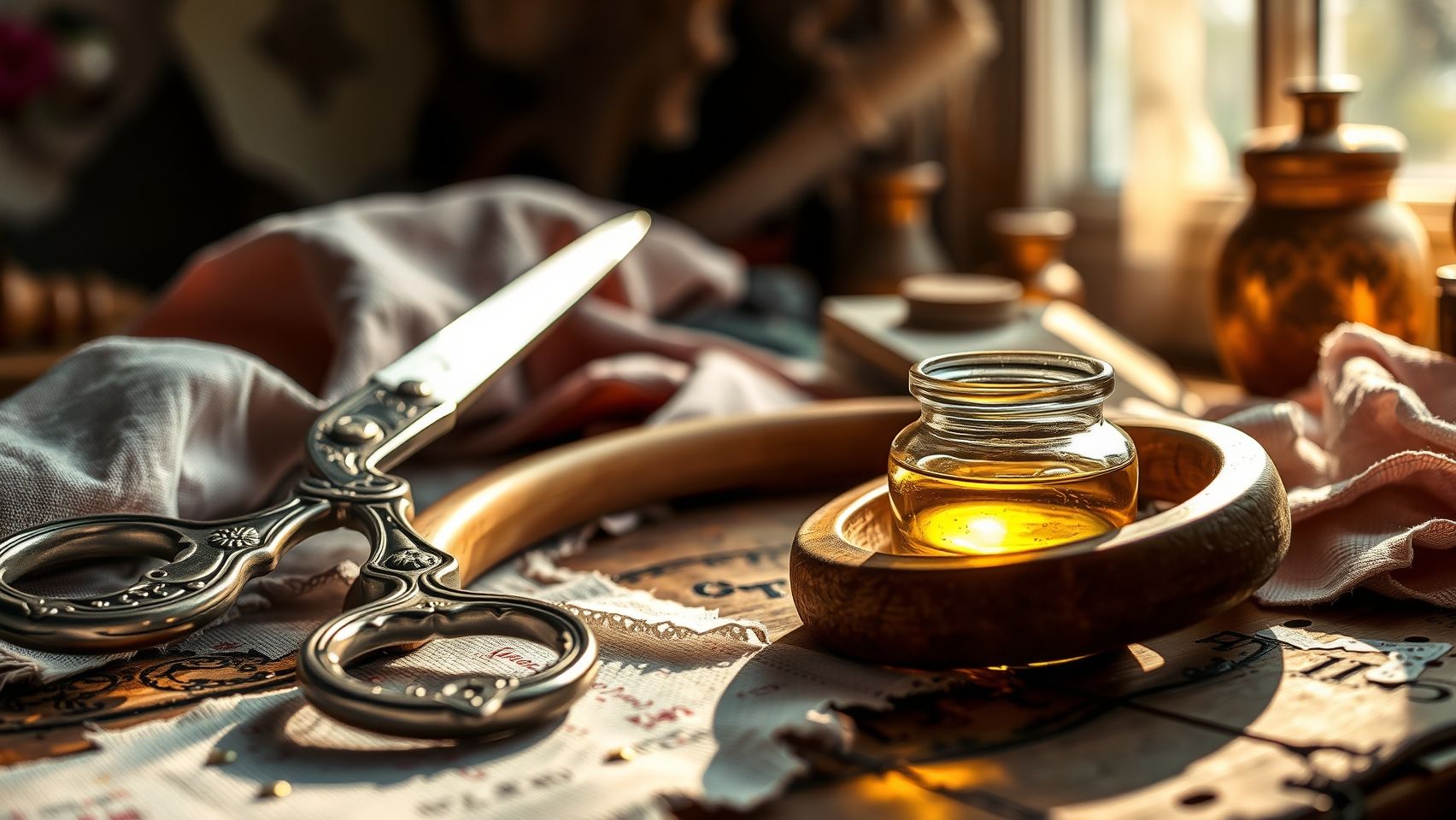
Maintaining your embroidery machine with regular oiling can lead to significant financial savings and extend its operational lifespan. Proper lubrication minimizes wear and tear, ensuring your machine runs smoothly and efficiently. Over time, this proactive approach translates into lower repair costs and fewer unexpected downtimes, offering both hobbyists and professional studios a smart investment in their equipment.
Consistent lubrication prevents common issues such as increased noise, irregular stitches, and thread jams, early signs of lubrication problems. Addressing these issues early by routine oiling can avoid costly repairs that range from $200 to $500 for major components. Moreover, well-maintained machines tend to last longer, extending their lifespan from an average of 7-10 years to an impressive 10-13 years. This not only provides better return on investment but also ensures consistent production quality over many years.
Real-World Examples and Financial Impact
For example, a hobbyist who oils their machine regularly can save around $100 annually on repairs by avoiding damage caused by neglected lubrication. Similarly, a professional embroidery business that invests in quality oil and proper maintenance routines can evade emergency repairs worth approximately $250, preventing disruptions in their workflow. Tracking maintenance costs against potential repair expenses over 2-3 years demonstrates the clear financial advantage of consistent oiling.
Troubleshooting Common Embroidery Machine Issues Caused by Poor Maintenance
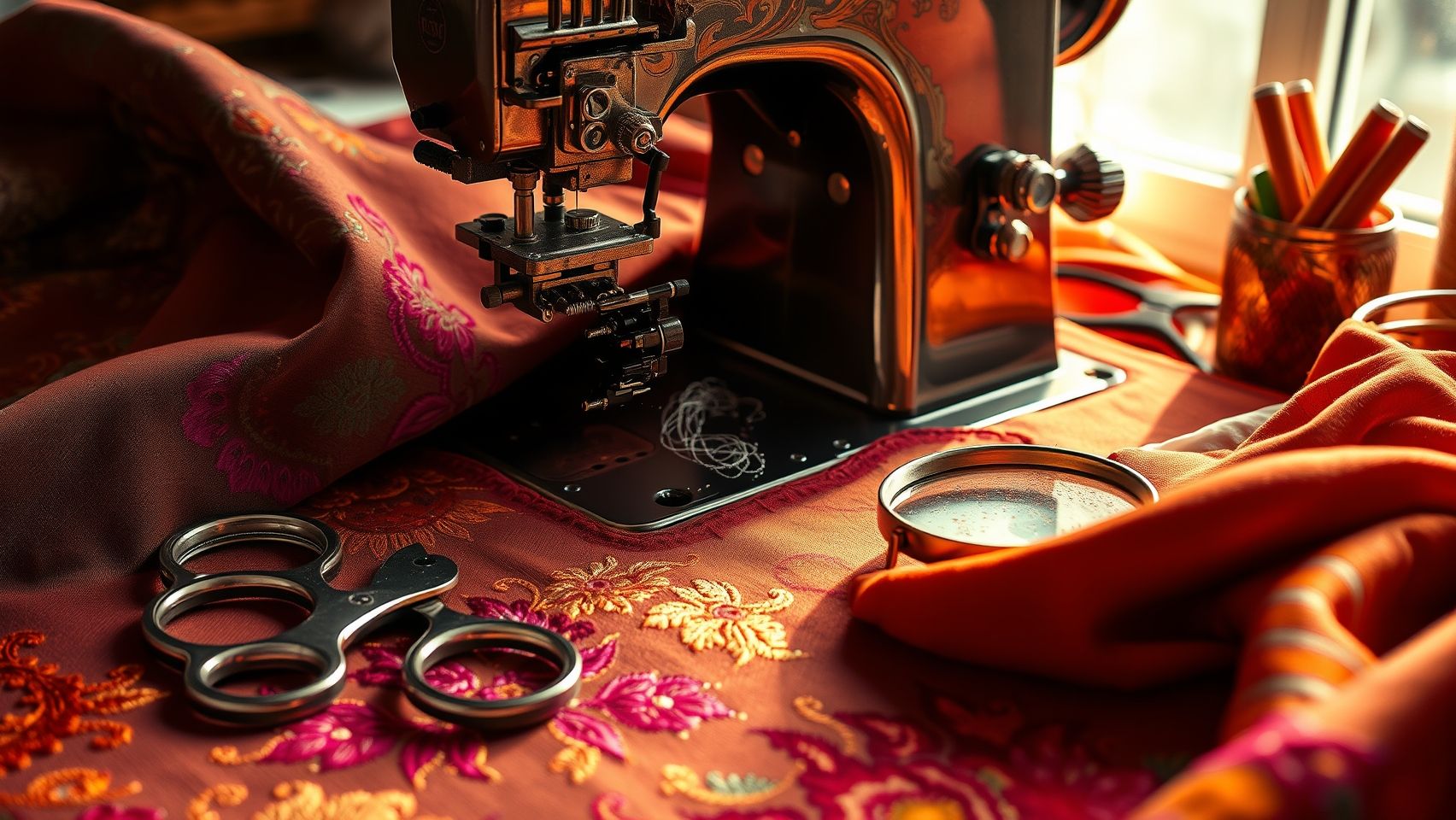
Embroidery machines are delicate devices that require regular maintenance to function flawlessly. Neglecting proper oiling and cleaning can lead to various problems that hinder performance and produce subpar stitching results. Understanding how to troubleshoot these issues efficiently can save time and prolong the lifespan of your machine.
In this section, we explore common embroidery machine problems resulting from poor maintenance, specifically focusing on issues caused by insufficient lubrication or cleaning. Practical troubleshooting steps and preventive measures will help ensure your machine remains in optimal condition, providing perfect stitches every time.
Thread Jamming or Bunching
This issue often stems from the accumulation of lint, dust, or dried oil residues around the bobbin and hook area. When these parts are not regularly cleaned and properly oiled, threads can catch, leading to jams or bunches. To fix this, turn off the machine and carefully clean the bobbin case and hook assembly. Re-oil the bobbin and hook points with appropriate embroidery machine oil, ensuring smooth movement of the components. Maintaining a routine cleaning and lubrication schedule can prevent recurring jams and ensure smooth threading.
Uneven or Skipped Stitches
Inconsistent stitch quality often indicates insufficient lubrication, particularly around the tension discs and needle bar. Dirt or dried grease can cause tension irregularities or blockers, leading to skipped stitches or uneven tension. To remedy this, thoroughly clean the tension discs and lubricate all relevant points according to the manufacturer’s guidelines. Regularly inspecting and cleaning your machine will facilitate uniform tension and stitch quality, avoiding costly repairs or rework.
Noise or Grinding Sounds
Unusual noises typically point to gear mechanisms that need lubrication or dust accumulation within the machine. When gear teeth are dry, they produce grinding or squeaking sounds, which can escalate into mechanical failure if ignored. Disassemble accessible gear areas and apply a few drops of high-quality sewing machine oil. Additionally, cleaning dust and lint build-up from vents and moving parts will reduce friction and noise, promoting quieter and smoother operation.
Inconsistent Thread Tension
Thread tension issues often originate from improperly lubricated tension discs, or debris lodged within them. Without proper lubrication, tension discs may not grip the thread evenly, causing fluctuations in stitch tightness. Lubricate tension discs periodically and inspect for lint or thread debris. Consistent maintenance of these components helps stabilize tension, delivering clean, professional-looking stitches.
Routine Maintenance Checklist
- Follow a regular lubrication schedule, applying oil to designated points as specified in the manual
- Clean lint, dust, and dried oil regularly from all accessible parts
- Inspect moving components for signs of wear or damage and replace as needed
- Schedule professional servicing if issues persist despite routine upkeep
Staying proactive with maintenance by adhering to these practices can prevent many common problems. When issues remain unresolved after troubleshooting, consulting the manufacturer’s manual or scheduling expert service ensures long-term machine reliability and optimal stitch quality.
Conclusion
Maintaining your embroidery machine with proper lubrication is essential for achieving flawless stitches, extending the lifespan of your equipment, and saving money on repairs. Regular cleaning, using high-quality oils, and following recommended maintenance routines ensure your machine runs smoothly and efficiently. Consistent lubrication not only prevents costly breakdowns but also enhances performance, delivering professional-quality results every time.
Don’t wait for issues to arise, start your maintenance routine today. Gather your supplies, follow our easy step-by-step guide, and commit to regular upkeep. With confidence and care, you’ll enjoy trouble-free embroidery projects for years to come. Your craftsmanship deserves the best tools, keep yours in top shape!