How to Choose the Right Embroidery Batting for Your Projects
This post contains affiliate links. As an Amazon Associate, Latest Embroidery earns from qualifying
purchases, at no extra cost to you. Learn more.
Struggling to find the perfect batting for your machine embroidery projects? You’re not alone. Choosing the right batting can be a game-changer, affecting everything from the look and feel of your finished piece to how well your stitches hold up over time. With so many options out there, polyester, cotton, wool, blends, it’s easy to feel overwhelmed or make the wrong choice, leading to puckering, uneven quilting, or less-than-satisfactory results. Batting quality and type are essential components for achieving professional-looking embroidery, and understanding their differences can save you time, effort, and frustration.
This article will guide you through the key factors to consider when selecting batting, share practical tips for matching batting to your project’s needs, and highlight industry insights and trends that can help you make confident decisions. Whether you’re a beginner or an experienced textile artist, learning how to choose the right batting ensures your projects come out with the best possible finish. Ready to upgrade your embroidery game? Keep reading for actionable advice that will take your craft to the next level.
What Embroidery Batting Types Are Available and How They Impact Your Projects
Short on time? If you only take one thing from this guide: Embroidery hoop set — the right size hoop matters more than any other accessory.
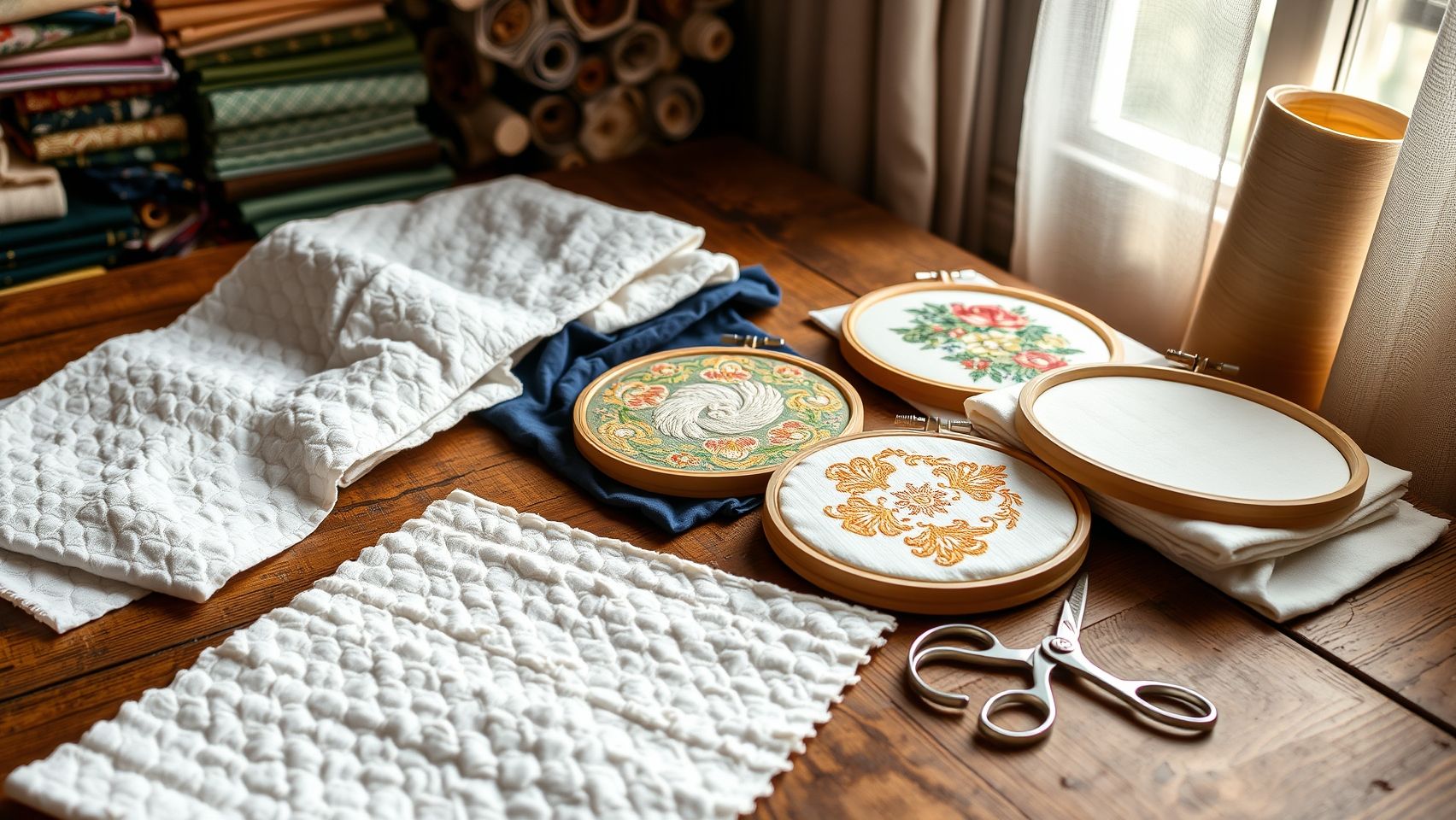
Choosing the right embroidery batting is crucial for achieving the desired look, feel, and durability in your projects. The variety of batting options available caters to different needs, from detailed in-the-hoop designs to plush quilted pieces. Understanding the characteristics of each type can help you make informed decisions and enhance your embroidery results.
Common Types of Embroidery Batting
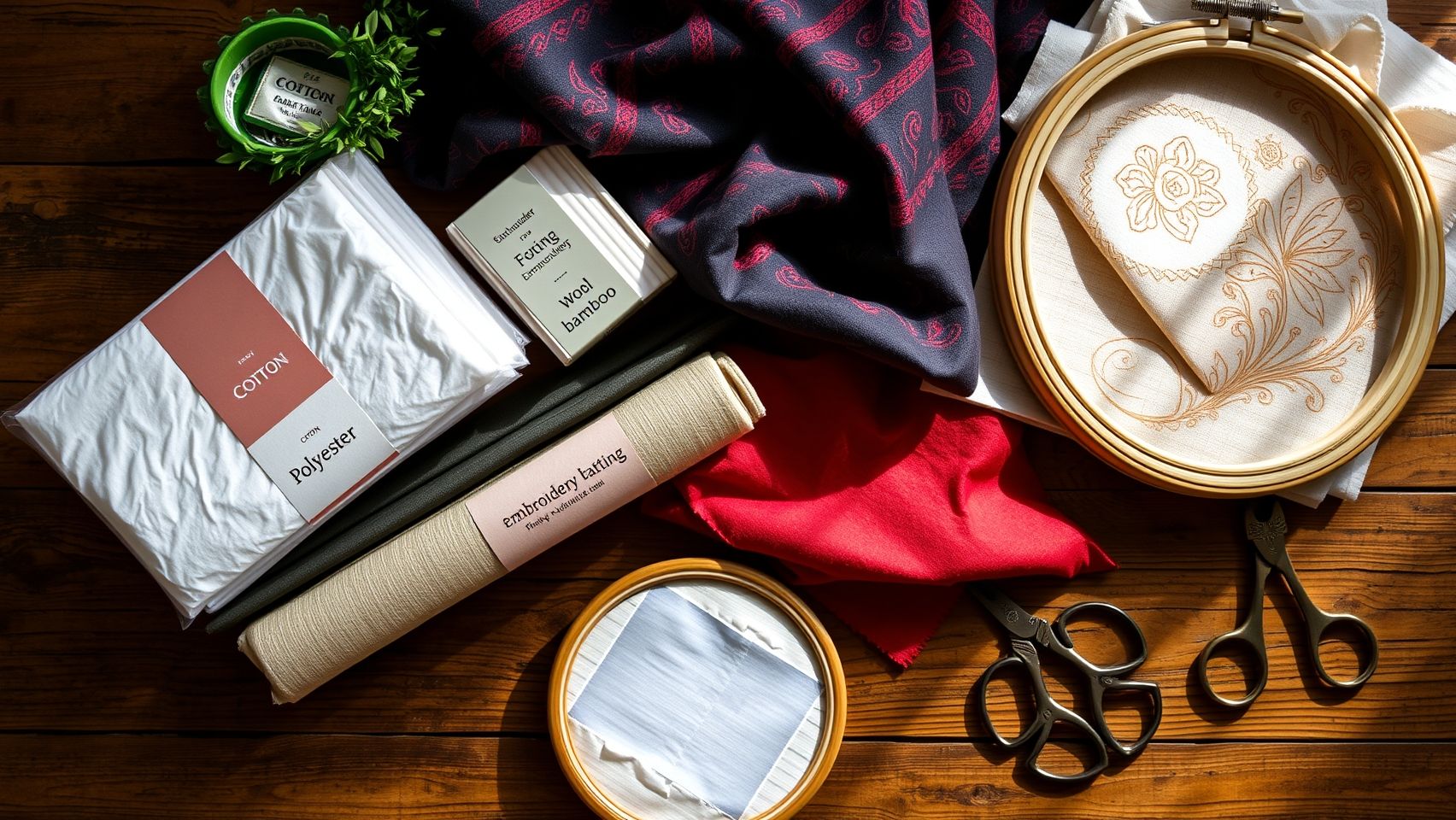
There are several popular batting materials, each with distinct benefits and ideal applications. Here’s an overview of the most common options:
- Cotton Batting: Known for its natural softness and breathability, cotton batting is a favorite for quilting and projects where a soft finish is desired. Typically, it comes in about 1/8 to 1/4 inch thickness, making it suitable for lightweight to mid-weight projects. Brands like Pellon offer 100% cotton batting around $12 for a 12′ x 36′ panel, offering good value.
- Polyester Batting: Highly durable and low-shrink, polyester batting is cost-effective (around $15 for a 20′ roll), and maintains its shape over time. It is resistant to wrinkles and retains loft after multiple washes, making it excellent for projects requiring durability and minimal maintenance.
- Wool Batting: Wool offers natural insulation properties, softness, and resilience. While it tends to be more expensive, around $25 for a similar size as cotton batting, it provides a luxurious finish and excellent drape. Wool batting shrinks less than cotton, which can be beneficial for projects needing stability.
- Bamboo Batting: An eco-friendly alternative, bamboo batting combines softness with antibacterial properties. It is generally lightweight and around 1/8 inch thick, suitable for delicate and detailed embroidery work. Pricing varies but is often on par with cotton batting.
- Specialty Blends: These mixes combine fibers like cotton, polyester, and bamboo. They offer a balance of softness, resilience, and cost. Thicknesses vary, with around 1/8 to 1/4 inch options commonly available, tailored to specific project needs.
Fiber content significantly influences embroidery outcomes. Natural fibers like cotton provide a soft, matte finish but tend to shrink more, while synthetic options like polyester offer durability and crease resistance. Wool and bamboo introduce unique textures and benefits but come at a premium price.
Matching Batting Thickness to Project Type
The thickness of batting directly affects the final appearance and texture of your embroidery. Thin battings, approximately 1/8 inch, are ideal for detailed, in-the-hoop designs where precision and minimal bulk are essential. Thicker battings, around 1/4 inch or more, create a plush, quilted effect suitable for cozy blankets, toys, or layered projects. For general embroidery work, selecting a batting that balances thickness and weight ensures your design remains sharp and professional-looking.
Shrinkage Considerations and Quality Brands
To prevent puckering or distortion, consider the shrinkage properties of your batting choice. Natural fibers such as cotton tend to shrink more than synthetics. Pre-washing batting or selecting shrink-resistant options like polyester or specially treated cotton can mitigate this issue. Popular brands like Warm & Natural, Pellon, and Quilter’s Dream are recognized for their consistent quality, offering features such as low-shrinkage and uniform loft, which are critical for achieving professional results.
Current market data indicates that polyester batting remains a durable, low-shrink solution suitable for most projects, while natural fiber battings require pre-washing for optimal stability. Testing small sample pieces before committing to large projects can save time and ensure compatibility with your fabric and design choices.
Step-by-Step: How to Select the Perfect Batting for Your Embroidery Projects
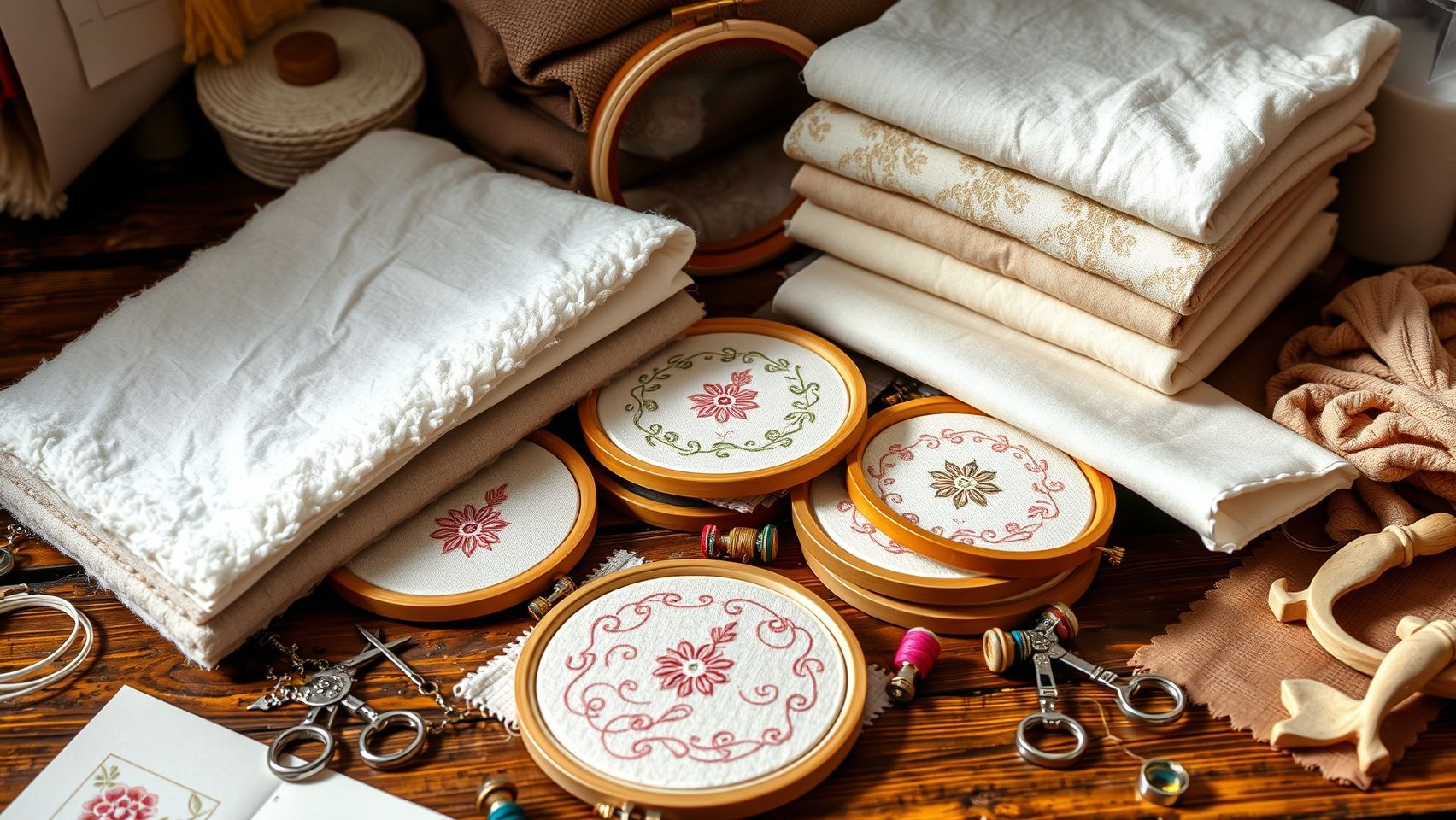
Choosing the right embroidery batting is crucial to achieving the desired texture, durability, and appearance in your finished project. The selection process involves assessing your project type, machine capabilities, design intricacies, and environmental considerations. Follow this detailed guide to make informed decisions and enhance your embroidery creations.
Assess Your Project Type and Desired Texture
Start by defining the primary purpose of your project. For instance, wall hangings and decorative items benefit from lightweight, softer batting to maintain drape, while quilts and plush toys may require thicker batting for added texture and cushioning. Consider the overall aesthetic you wish to achieve, smooth and sleek or textured and plush, and select batting accordingly.
For example, for a wall hanging with intricate detailed motifs, a thin, fusible batting allows for fine needlework without bulk, whereas a baby quilt might benefit from a medium to thick batting for warmth and a soft touch.
Determine the Required Batting Thickness
Evaluate the complexity of your design. Detailed motifs with fine stitches typically need thinner batting, such as 1/8 inch or 1/16 inch, to prevent concealment of stitches. Thicker batting, around 1/4 inch or more, is suitable for projects emphasizing texture or tactile comfort, like cuddly blankets or textured wall art.
Recent industry trends favor lightweight yet durable batting options, like polyester or bamboo layers, which balance thickness and flexibility effectively. Embroiderers also note that thicker batting can sometimes cause puckering, so testing is recommended.
Evaluate Fiber Content and Environmental Considerations
Match your batting choice with environmental and finish quality goals. Natural fiber battings, such as cotton or bamboo, are eco-friendly and breathable but may require pre-washing to minimize shrinkage. Synthetic options like polyester are low-maintenance and shrink-resistant, making them ideal for projects that demand consistent sizes.
For projects like eco-conscious baby items, bamboo batting offers a sustainable choice while providing softness and good insulation. If durability and minimal care are priorities, 100% polyester batting ensures longevity and stability.
Check for Shrinkage Data & Decide on Pre-Washing
Review manufacturer specifications or recent research to understand shrinkage tendencies. Natural fibers tend to shrink up to 3-5%, potentially distorting designs if not pre-washed. Pre-washing natural fiber batting minimizes future shrinkage, ensuring your project maintains its dimensions after laundering.
Alternatively, shrink-resistant batting options are available that do not require pre-washing, saving time but possibly at a higher cost. Consider the project’s end-use and laundering needs when making your choice.
Match Batting Size with Hoop and Backing Materials
Measure your embroidery hoop and backing fabrics carefully to select batting that fits well within the hoop boundaries. Oversized batting can cause puckering or uneven stitches, while undersized batting might not provide the desired thickness or support. Double-check dimensions before cutting or purchasing batting rolls.
Test a small sample by stitching a section of your design to evaluate how the batting behaves during machine operation, paying attention to drape, opacity, and potential shrinkage effects.
Test a Small Sample Before Full Production
Always create a sample piece using your chosen batting with a portion of your design. Observe how it stitches out, note any puckering, opacity, or shrinkage. This step helps you fine-tune your batting selection, ensuring your final project achieves the intended look and feel.
For example, embedding metallic threads in a Christmas stocking may require a durable, slightly thicker batting like 100% polyester for stability, while a bamboo-filled baby blanket benefits from lightweight, natural fiber batting for safety and eco-friendliness.
Tools and Equipment to Ensure Proper Batting Selection and Embroidery Success
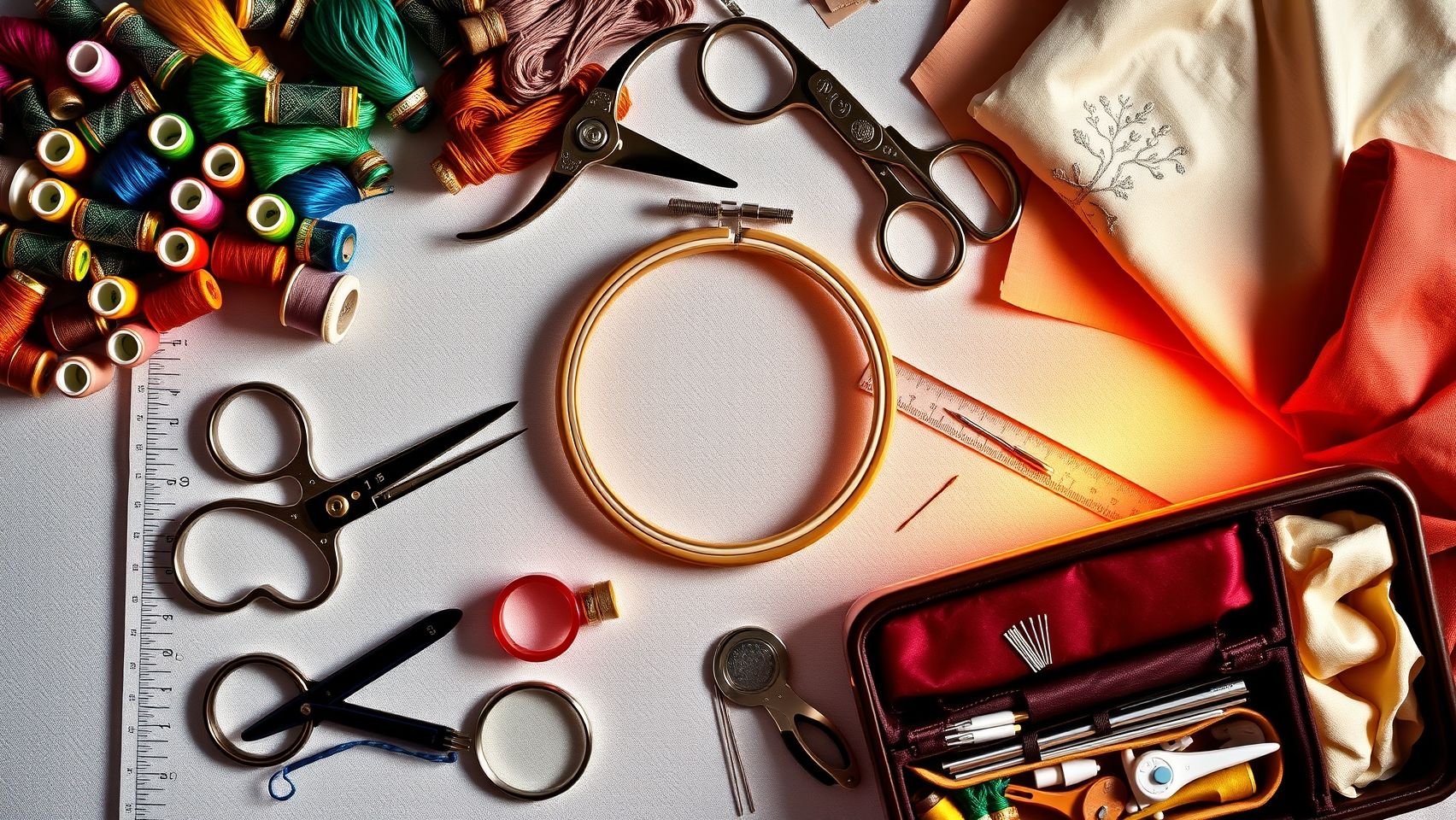
Choosing the right tools and equipment is essential for achieving high-quality embroidery results with the ideal batting. The proper setup not only enhances the finish but also simplifies the process, especially when working with textured or thick batting materials. Investing in the right embroidery machines and accessories ensures consistent tension, accurate placement, and minimized issues like puckering or shifting.
Modern embroidery machines equipped with large design areas and user-friendly features significantly streamline batting work. Additionally, the use of essential accessories such as batting clips, spray adhesives, and special hoops directly impacts the durability and appearance of your finished project. Understanding setup procedures and troubleshooting common issues further guarantees professional results every time.
Recommended Embroidery Machines
For optimal batting use, embroidery machines supporting large design areas and multiple hoop sizes are highly recommended. The Janome Skyline S9, retailing around $2, 499, supports an 8-inch design area, which provides ample space for detailed and extensive projects. Its advanced features make setup easier with adjustable tension controls tailored for textured batting materials, reducing puckering and ensuring smooth stitching.
Similarly, the Brother PE770 offers a generous 5-by-7-inch embroidery field with intuitive controls, making it suitable for both beginners and seasoned embroiderers. Its ease of use allows precise placement of batting and fabric layers, critical for professional-looking results. Both machines are praised for their compatibility with various software and accessory options, increasing overall versatility.
Digitizing and Planning Software
Proper batting placement requires meticulous planning, which can be facilitated by digitizing software like Stitch Delight or Hatch Embroidery Software. These platforms allow you to map out batting areas with precision, ensuring even distribution and minimizing waste. They also enable you to adjust stitch density and sequence, preventing puckering and shifting during stitching.
Using these tools, embroiderers can simulate the design on virtual fabric layers, testing the effects of different batting types and placement strategies before actual execution. This reduces trial-and-error in real-time, saving time and material costs.
Essential Tools and Accessories
To secure batting during embroidery, tools such as batting clips and special batting holders are invaluable. Spray adhesives like temporary spray adhesives or repositionable sprays help keep batting flat and in place, significantly reducing shifting and bunching. These adhesives should be applied sparingly to avoid gum buildup that can interfere with stitches.
Additionally, high-quality stabilizers, tear-away or cut-away depending on project needs, provide a foundation that supports the batting, preventing puckering and uneven stitches. Using the correct hoop size for your design, along with stabilizers, is crucial for tension stability. Setting the machine tension appropriately for thicker batting, usually slightly looser than normal, ensures smooth, even stitches without distorting the fabric or batting layers.
Setup and Troubleshooting
Begin by selecting a hoop that matches the design dimensions and ensures tight fabric hold without sagging. Attach the batting and stabilizer within the hoop securely. Adjust the tension to accommodate the thicker batting, typically by loosening slightly, but always testing on scrap fabric first.
Use spray adhesive to keep batting in place before stitching, avoiding excess that could cause adhered fibers to clog the needle or interfere with stitches. If puckering occurs, check tension settings, stabilizer quality, and batting placement, often, adjusting tension or reapplying adhesive can resolve the issue.
For uneven stitching or batting shifting, ensure the hoop is tightly secured, and the machine’s feed and tension are properly calibrated. Regularly clean the machine, especially the bobbin area and tension discs, to prevent tension inconsistencies. Proper setup, combined with the right tools and troubleshooting, guarantees professional-quality embroidery with batting every time.
Comparing Embroidery Batting Options: Pros, Cons, and Best Uses
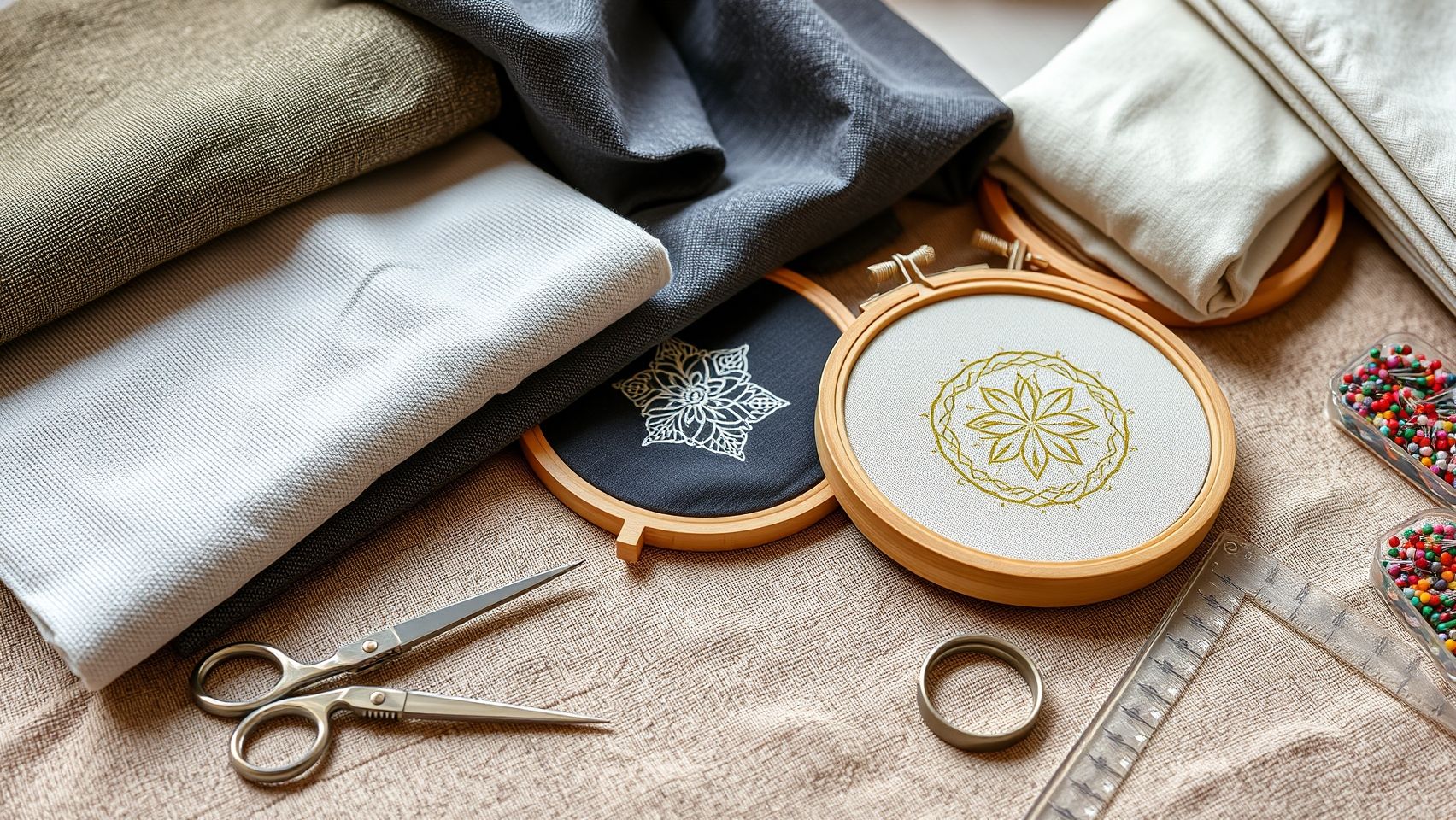
Selecting the right batting for embroidery projects is crucial for achieving the desired look, durability, and feel. Different types of batting offer unique advantages and limitations, making it essential to understand their specific characteristics and suitable applications. This section provides a detailed analysis of common batting options, including popular brands, to help you make informed choices based on your project goals and budget.
Cotton Batting: Natural and Soft
Cotton batting is favored for its natural, soft texture and breathability. It’s especially popular for heirloom or intricate projects that benefit from a traditional appearance. Cotton batting provides excellent stitch definition, ideal for detailed embroidery work, and enhances the overall quality of the finished product.
However, cotton batting has some limitations. It tends to shrink after laundering, which can alter the dimensions of your project if not pre-shrunk or properly handled. Despite this, its eco-friendly profile and luxurious feel make it a top choice for many artisans. An example of a trusted brand is Warm & Natural, recognized for offering reliable, cost-effective cotton batting that maintains softness and consistency.
Polyester Batting: Durable and Low-Shrink
Polyester batting is known for its durability, resilience, and low-shrink properties, making it suitable for everyday items and projects that require long-lasting strength. It provides a sturdy base for quilting and is less prone to wrinkling or bunching over time. Polyester batting also tends to be more affordable and easier to care for, making it popular among hobbyists and those working on large quilts.
Brands like Pellon, with their Poly-Down line, are highly regarded for consistent quality and affordability. However, polyester is not as environmentally friendly as natural fibers and can sometimes produce a less luxurious feel compared to cotton or wool. Its excellent loft and shape retention make it ideal for projects demanding a rugged finish and frequent use.
Wool Batting: Luxurious and Textured
Wool batting offers a natural insulator with a plush, luxurious feel. It’s excellent for creating textured embroidery effects and provides superior warmth and resilience. Wool’s natural elasticity helps maintain shape and prevents bunching, making it suitable for heirloom and high-end projects.
While wool batting commands a higher price point, brands like Quilter’s Dream provide specialty options with higher loft and better shape retention. Wool is also more eco-friendly than synthetic options and adds an element of sophistication to detailed or textured embroidery pieces.
Brand Comparison
Choosing the appropriate batting depends heavily on your project’s specific needs. For lightweight, detailed work, cotton batting like Warm & Natural provides excellent stitch clarity. For projects requiring durability and frequent use, polyester batting such as Pellon Poly-Down is a reliable choice. If you aim for a luxurious finish with textured effects, wool batting from Quilter’s Dream offers a premium option that elevates your embroidery piece.
Practical Tips for Managing Shrinkage and Achieving Perfect Embroidered Results
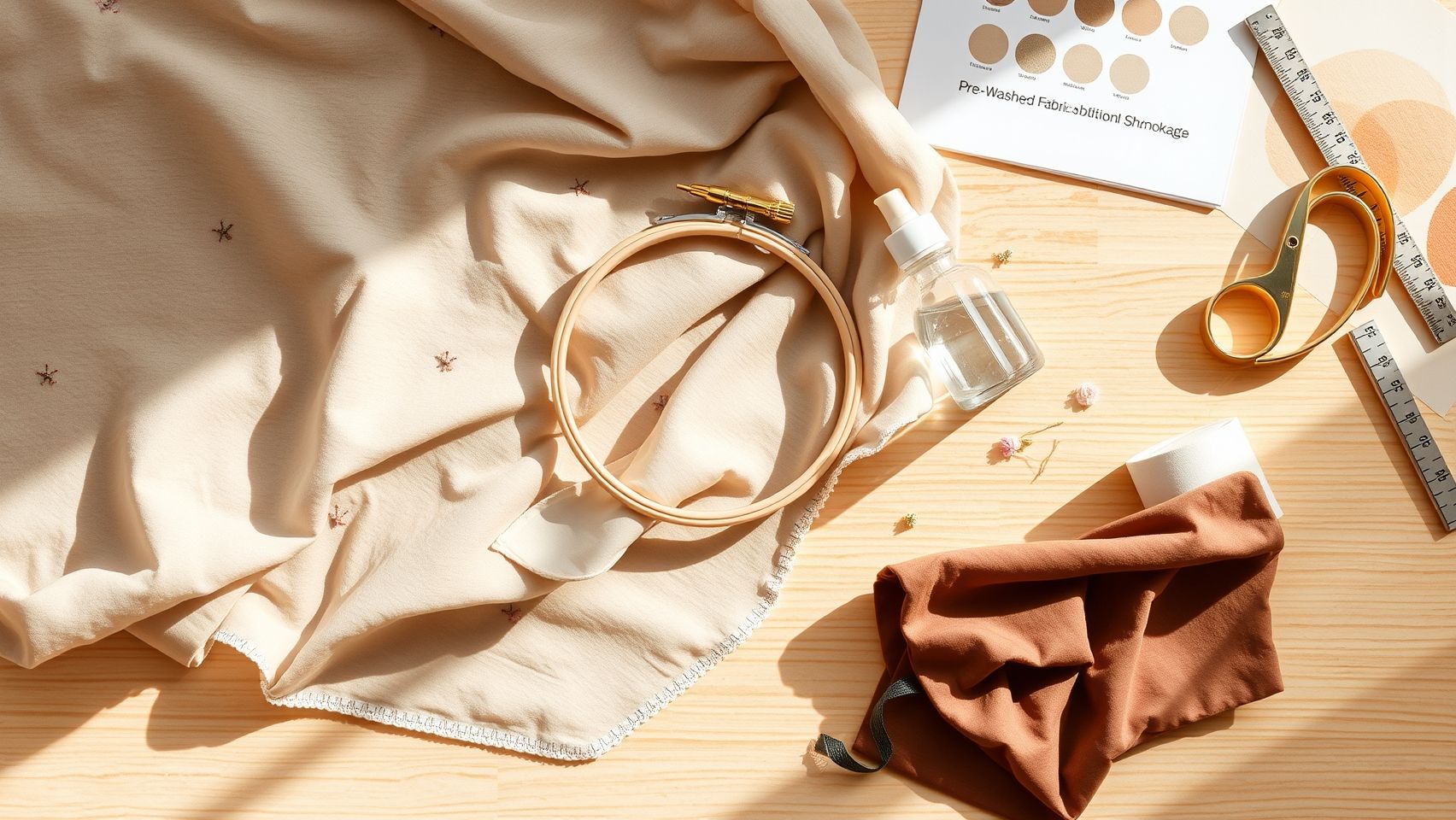
Managing batting shrinkage is crucial for achieving precise and professional-looking embroidered projects. Shrinkage can cause puckering, misalignment, and size inconsistencies, especially with natural fibers like cotton. Implementing step-by-step techniques ensures your projects maintain their intended dimensions and appearance.
Pre-wash Natural Fiber Battings to Reduce Shrinkage
Pre-washing natural battings such as cotton or wool significantly minimizes post-embroidery shrinkage. Studies show that pre-washing natural battings can reduce shrinkage by up to 20%. To pre-wash, soak the batting in a tub of warm water for about an hour, then gently squeeze out excess water and let it air dry or tumble dry on low heat. This process stabilizes the fibers before sewing, helping to maintain consistent dimensions in the completed project.
Use High-Quality Stabilizers Matched to Your Project
Choosing the right stabilizer is critical to prevent puckering and control fabric movement during embroidery. Light to medium-weight stabilizers work best with lightweight battings, while heavier stabilizers support thicker or textured battings. For textured or metallic threads, soluble or cut-away stabilizers offer additional support, ensuring smooth, even stitches without distortion.
Adjust Machine Tension and Stitch Density to Minimize Puckering
Proper tension settings and stitch density are essential to counteract any residual shrinkage. Increase tension slightly if puckering occurs post-embroidery. Use a balanced stitch density, too dense can cause puckering, especially with thicker battings. Conduct small test embroideries on sample fabric and batting pieces to fine-tune your settings, saving time and materials in the long run.
Post-embroidery Finishing Techniques
Once embroidery is complete, carefully press the finished piece with a pressing cloth to avoid flattening or distorting the design. Steaming can help relax stitches and remove minor puckers. Always work on the reverse side or use a low heat setting to prevent scorching or damage, maintaining the integrity of the embroidered design.
Conclusion
Choosing the right embroidery batting is a vital step towards achieving beautifully durable and professional-looking projects. As we’ve explored, understanding fiber types, thickness, and your specific project needs helps you make informed decisions. Recent trends highlight the popularity of natural fibers like cotton and wool, as well as innovative options such as bamboo batting, which offers eco-friendly benefits and moisture-wicking properties.
Remember, the key to mastering your embroidery craft lies in testing different batting types on sample projects, keeping detailed records of your results, and investing in quality tools and stabilizers. These practical actions empower you to refine your techniques, manage shrinkage, and set up your equipment for success. The more you experiment and learn, the closer you’ll get to your perfect match, creating stunning, long-lasting embroidery works with confidence.
Don’t wait; start experimenting today. Try various batting options, observe how they perform with different fabrics and designs, and document what works best for your style and projects. Your future masterpieces depend on the choices you make now, so dive in with enthusiasm and enjoy the journey toward embroidery excellence!
With perseverance and a little experimentation, you’ll unlock endless creative potential. Happy stitching!