How to Reduce Embroidery Waste and Save Costs Effectively
This post contains affiliate links. As an Amazon Associate, Latest Embroidery earns from qualifying
purchases, at no extra cost to you. Learn more.
Are you tired of throwing away costly embroidery materials? The environmental impact of excess waste is a growing concern, and savvy embroiderers are discovering that sustainable practices not only help the planet but also boost their bottom line. Reducing waste can lead to significant cost savings, turning scraps into opportunities and minimizing unnecessary expenditures. Quick wins like optimizing design placement, using digital tools for precision, and choosing eco-friendly threads can make a real difference today. According to industry reports, innovations such as recycled thread use and smarter machine settings are shaping the future of embroidery, making waste reduction more practical than ever (source). Whether you’re a hobbyist or a professional, adopting these strategies can transform your workflow and contribute to a healthier environment. Keep reading to discover practical steps that can help you craft responsibly while saving costs:
For eco-conscious thread options, explore this selection: Threads for sustainable embroidery. Embrace these strategies now and turn waste reduction into your competitive edge.
Optimizing Material Usage in Embroidery Projects
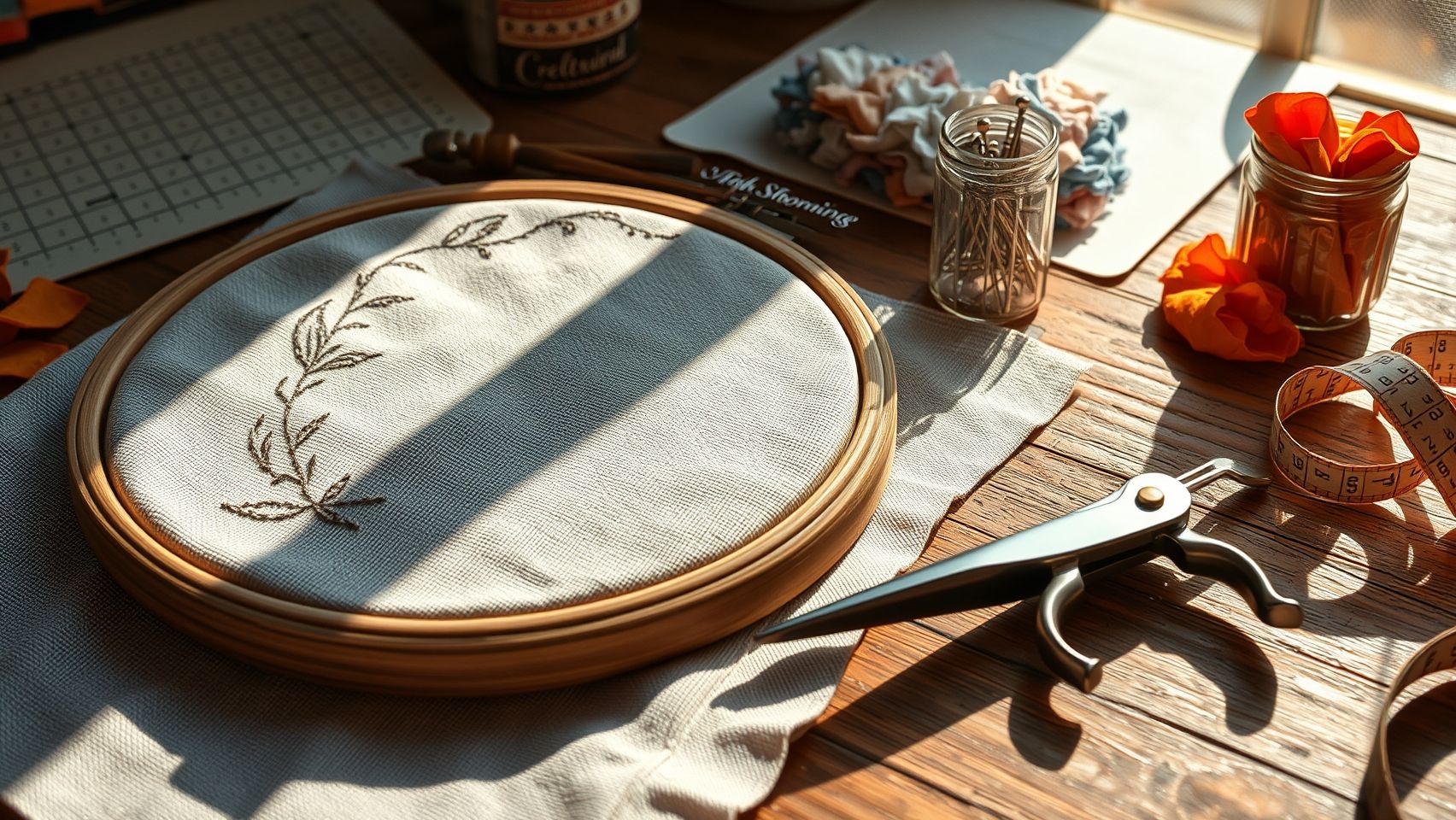
Efficient material usage is crucial for reducing waste and controlling costs in embroidery projects. By carefully planning fabric and thread consumption, selecting the right tools, and leveraging layout techniques, you can significantly minimize excess materials and improve overall productivity. The following step-by-step guide will help you implement practical strategies for optimal material management.
Choose the Right Hoop Size and Fabric Layout
Selecting an appropriately sized hoop ensures your design fits perfectly, reducing unnecessary fabric coverage. Always measure your design and match it with the standard hoop sizes available, which can range from 4×4 inches to larger sizes like 8×12 inches. Strategically arranging multiple designs on a single fabric sheet, using an efficient layout, maximizes material utilization. Many embroidery software solutions, such as Hatch, allow you to preview fabric placement and optimize layout, potentially saving up to 15% of fabric waste.
Implement Pattern Repeat Techniques for Design Alignment
Aligning design repeats along fabric grainlines and using true center marks helps in reducing errors during stitching. Utilizing heavier outlines and grid markings in digitized patterns guides precise placement, minimizing misalignments that could lead to unusable fabric scraps. Pattern repeat techniques, which involve matching design motifs on fabric edges, optimize space and allow you to stitch multiple copies while conserving fabric. Pre-digitized patterns designed for standard fabric dimensions further facilitate this process and enhance layout efficiency.
Careful Cutting and Thread Management
Accurate cutting of fabric and stabilizers is essential to prevent excess material from piling up. Use rotary cutters and sharp scissors for clean edges, and always measure antes of cutting. When it comes to thread, selecting the right colors and types in advance helps prevent unnecessary leftover spools. For example, choosing versatile, neutral shades reduces the need for multiple color variations, thus decreasing thread waste over time. Pre-winding threads and using thread nets can also help manage resources more effectively.
Utilize Software for Layout Optimization
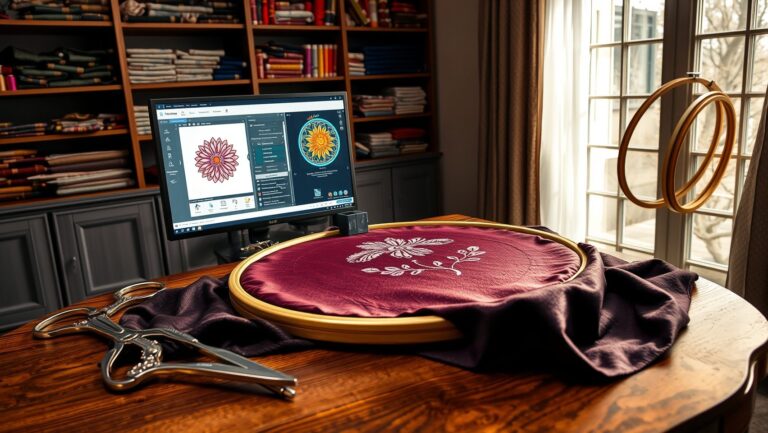
Advanced embroidery software like Hatch ($695 and up) and Embrilliance offer features for maximizing fabric and thread efficiency. These tools enable you to visualize pattern placement, automatically align repeats, and generate optimal layout plans. By leveraging such software, you can systematically reduce fabric waste and streamline your production process. Consistently updating your digitization techniques and layout strategies ensures ongoing waste reduction and cost savings.
For a comprehensive understanding of fabric types, stabilizers, and their impact on waste, refer to our dedicated guide on stabilizers and fabric selection. Incorporating these practices into your workflow can make a tangible difference in resource management while maintaining high-quality embroidery results.
Implementing Recycling and Reuse of Embroidery Waste
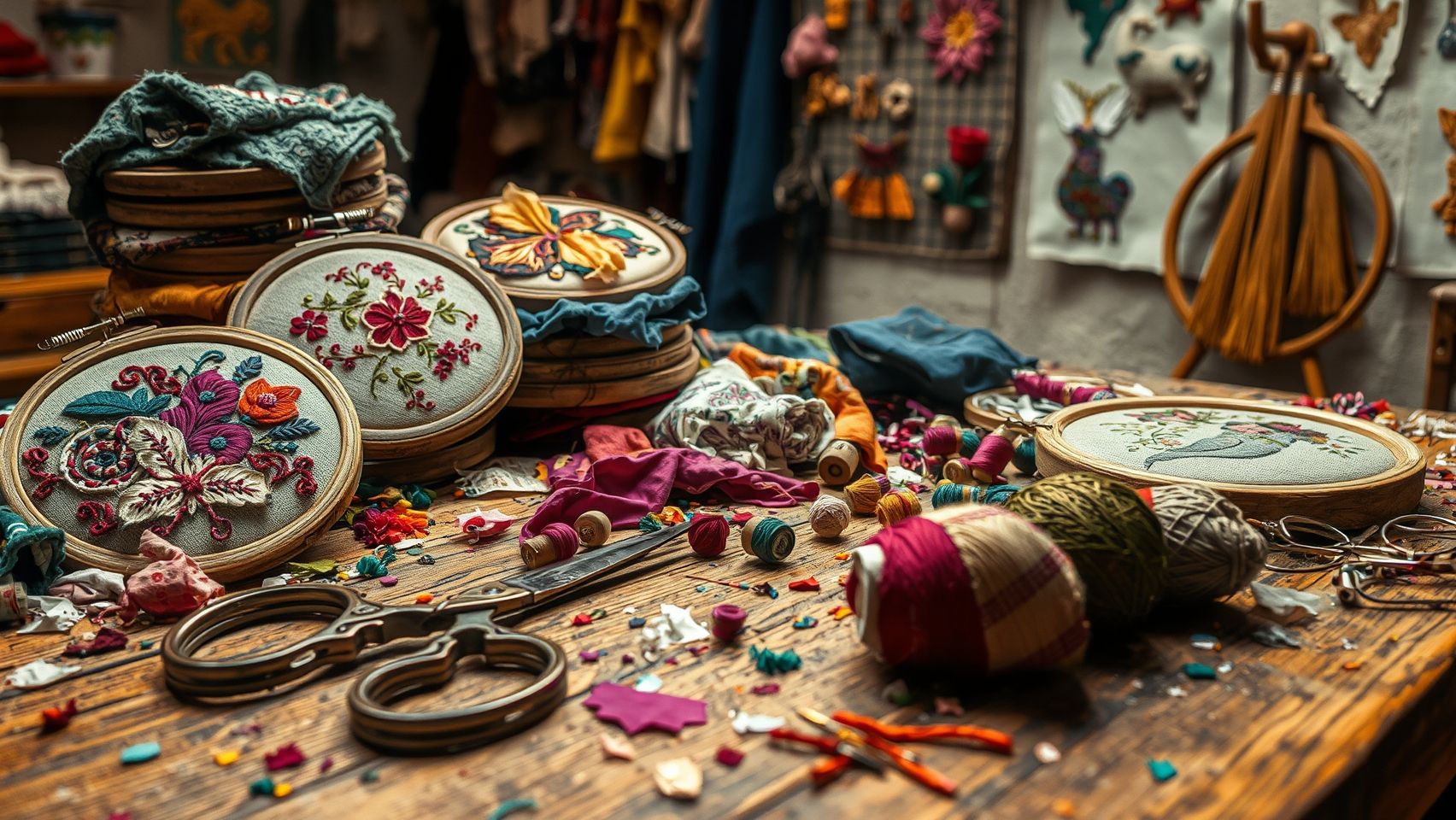
As sustainability becomes an essential aspect of modern embroidery practices, many artisans and businesses are actively adopting innovative methods to minimize waste. Recent industry insights indicate that 60–70% of artisans are now integrating waste reduction strategies, including recycling thread scraps, fabric trimmings, and stabilizer waste into new products or donation programs. Such practices not only lower costs but also promote community engagement and environmental responsibility.
Concrete Methods for Recycling and Reuse
One practical approach involves collecting leftover threads and fabric trimmings to upcycle into eco-friendly crafts. These remnants can be sewn into patchwork items, appliqué designs, or small accessories, transforming waste into marketable products. For example, some embroidery businesses create small patchwork bags or decorative items using scraps, which appeals to eco-conscious consumers.
Partnering with local schools or charities for fabric donation programs is another effective strategy. Donating fabric trimmings and stabilizer waste for community art projects or educational purposes helps reduce landfill contributions and fosters social good. Many companies are also exploring the use of biodegradable stabilizers or recyclable non-woven materials, aligning their operations with eco-friendly standards.
To streamline waste management, setting up a dedicated waste sorting system within the workspace ensures that thread scraps, fabric trimmings, and stabilizer waste are properly categorized for reuse or recycling. This structured approach facilitates tracking and increases the likelihood of repurposing materials effectively.
Sharing these waste reduction initiatives on social media amplifies community participation and reinforces the business’s commitment to sustainability. Highlighting success stories and collaborative projects encourages other artisans to adopt similar practices, contributing to a broader industry shift towards responsible crafting.
According to recent industry reports, widespread adoption of such waste management practices is fostering a circular economy in embroidery. For example, some artisans are using stabilizer waste for DIY projects, further exemplifying how creativity and sustainability can go hand-in-hand. For more detailed options on sustainable embroidery materials, exploring sustainable embroidery material options can provide additional inspiration and practical guidance.
Maximizing Process Efficiency to Reduce Waste
Reducing embroidery waste is essential for improving overall cost efficiency and ensuring sustainable production practices. Streamlining setup procedures, digitizing with precision, and minimizing errors can significantly cut down on material wastage and rework. Implementing step-by-step methods to optimize these aspects not only conserves resources but also enhances productivity in embroidery operations.
Standardize Digitizing Templates and Techniques
Using standardized digitizing templates helps create consistent designs, reducing the trial-and-error process that often leads to fabric and thread wastage. Software like Wilcom Embroidery Studio offers customizable templates and automatic stitch setting options that promote uniformity across projects. This streamlining minimizes adjustments during production and cuts down on wasted materials caused by incorrect settings.
Pre-Program Embroidery Sequences for Efficiency
Pre-programming embroidery sequences, such as limiting thread color changes and optimizing stitch orders, decreases the likelihood of thread breaks and unnecessary repetitions. Modern machines like the Brother SE1900 ($799) feature automatic thread cutting, which ensures clean termination of stitches, reducing thread waste and rework time. Proper sequencing not only conserves thread but also improves overall workflow speed.
Utilize Advanced Machine Features and Regular Maintenance
Employing automated thread cutting and other intelligent features available in machines such as the Janome Memory Craft 8200 can substantially reduce material waste. Regular maintenance of embroidery machines is crucial; it prevents mechanical mishaps and inaccurate stitching that often lead to rework. For best results, follow established maintenance routines, which can be found in dedicated upkeep guides and tutorials.
Consistent machine upkeep ensures peak performance, reducing the chance of errors and minimizing waste. Additionally, training staff or yourself on precise hooping and fabric tension techniques is vital, as improper handling can cause misalignments and fabric damage, resulting in costly rework, which research indicates can account for 20–30% of project retries. Implementing error-check routines before starting each project helps identify issues early and reduces overall waste.
Choosing Eco-Friendly Materials and Threads
Reducing embroidery waste begins with making environmentally conscious choices when selecting materials. Sustainable fabrics, biodegradable threads, and eco-friendly stabilizers not only minimize ecological impact but can also enhance the quality and durability of your finished products. Integrating these materials into your workflow requires informed purchasing decisions that balance cost, performance, and sustainability.
Opting for Sustainable Fabrics
Choosing eco-friendly fabrics such as organic cotton, hemp, or recycled polyester significantly reduces environmental footprint. Organic cotton is cultivated without synthetic pesticides or fertilizers, promoting soil health and biodiversity. Hemp, a fast-growing plant requiring minimal water and chemicals, offers a durable alternative to traditional textiles. Recycled polyester repurposes plastic waste, preventing it from ending up in landfills or oceans. While these fabrics may initially cost 10-20% more, they deliver long-term environmental benefits by decreasing chemical usage and resource depletion. Reliable suppliers like EcoStitch and GreenStitch offer a range of sustainable fabrics, often at stable prices around $15-$25 per yard, ensuring quality without sacrificing affordability.
Choosing Biodegradable and Environmentally Safe Threads
Biodegradable threads made from plant-based materials such as PLA (polylactic acid) or cotton blends are excellent eco-friendly options. These threads decompose naturally, reducing persistent waste after disposal. Although biodegradable threads typically cost approximately 10-20% more than conventional polyester threads, they provide significant environmental advantages, including lower microplastic pollution and reduced reliance on fossil fuels. Brands like EcoStitch offer stable pricing, with spools around $12, making them accessible for most small-to-medium embroidery operations. Incorporating these threads into existing workflows can be seamless, as many are compatible with standard embroidery machines and do not compromise stitch quality.
Selecting Non-Toxic and Recyclable Stabilizers
Eco-stabilizers such as water-soluble, plant-based, or recyclable options contribute to a circular sustainability model. Water-soluble stabilizers, when used appropriately, dissolve without leaving harmful residues, minimizing waste. Recyclable or biodegradable stabilizers break down naturally, preventing environmental accumulation. While some eco-stabilizers may be slightly more expensive, their environmental benefits outweigh the cost difference. They support safer working environments and reduce landfill contributions, aligning with the broader waste reduction goal. Many suppliers now offer eco-stabilizers, ensuring that integrating environmentally safe stabilizers does not compromise the quality and precision of your embroidery projects.
Leveraging In-The-Hoop (ITH) Techniques to Minimize Waste
Implementing In-The-Hoop (ITH) techniques offers a practical solution for reducing embroidery waste while enhancing productivity. By designing projects specifically for ITH finishing, embroidery enthusiasts can significantly cut down on fabric scraps and stabilizer remnants. Moreover, these methods streamline workflow, saving time and ensuring cleaner, more professional results.
Recent industry data indicates that ITH projects can reduce finishing scraps by up to 30%, making it a favored strategy among commercial and hobbyist embroidery practitioners. Popular machines like Janome and Brother have introduced dedicated ITH hoops, further simplifying the process. Leveraging these tools and techniques can lead to more sustainable and cost-effective embroidery practices.
Select Suitable Designs for In-The-Hoop Finishing
Choosing designs that align with in-the-hoop finishing is the first step toward waste reduction. Opt for projects with minimal excess fabric and clear-cut outlines that fit within the hoop dimensions. In-the-hoop ornaments, keychains, and small pouches are ideal candidates because they require less trimming and finishing compared to traditional methods. Consistently using designs specifically crafted for ITH ensures maximal fabric utilization and minimal rework.
Use in-the-hoop Stabilizer Sheets and Plan Layouts
Using stabilizer sheets designed for multiple designs enhances material efficiency. You can print several project layouts on a single stabilizer sheet, which reduces waste and stabilizer costs. Advanced embroidery software often includes layout features that assist in planning the most economical arrangement for multiple items on one sheet. This approach not only conserves stabilizer but also speeds up production, since multiple items can be completed in one continuous process.
Follow Detailed Tutorials and Select Appropriate Hardware
Following comprehensive tutorials tailored for ITH projects, such as pouches or ornaments, can greatly improve your technique and results. These resources help you master nesting, positioning, and finishing steps that optimize material use. Additionally, selecting the correct machine hoops is crucial. For instance, Janome’s Hook & Loop hoop or other compatible ITH hoops facilitate secure, precise stitching and easy project removal. Pairing the right stabilizers with your machine and project type is equally vital for stability and quality.
By integrating these ITH strategies, embroidery practitioners can significantly cut down on waste, streamline production, and produce high-quality projects with less material and time spent on finishing. Continuous learning through tutorials and upgrading to suitable hardware further enhances these benefits, making ITH a cornerstone of sustainable embroidery practices.
Conclusion

Implementing effective material optimization, embracing recycling, refining processes, and choosing eco-friendly options are powerful strategies to significantly reduce embroidery waste and cut costs. These approaches not only benefit your bottom line but also contribute to a healthier environment, aligning with current trends toward sustainability in the textile industry.
By taking these practical steps today, you can make a tangible difference in reducing waste while enhancing craftsmanship and profitability. Don’t wait, start integrating these strategies into your embroidery projects now and share your results to inspire others. Together, we can transform our industry into one that values sustainability, creativity, and responsible resource use.
Take action now to create a more sustainable future for embroidery!