How to Respectfully Use Cultural Embroidery Designs in Your Work
Have you ever wondered how to incorporate beautiful cultural embroidery designs into your projects without crossing ethical boundaries? Recent studies emphasize the importance of cultural sensitivity and respectful usage in textile arts, especially as global appreciation for diverse embroidery styles grows. With the increasing popularity of embroidery as both a craft and a commercial art form, there’s a fine line between appreciation and appropriation that every artist and enthusiast should recognize. Misusing or misrepresenting cultural motifs can lead to misunderstandings, stereotypes, or even harm to the communities that originated these designs.
This article aims to equip you with practical, respectful guidelines to incorporate cultural embroidery patterns thoughtfully. You’ll learn about the risks of misappropriation, how to honor the traditions behind these designs, and actionable ways to engage ethically with diverse cultures. Whether you’re a hobbyist or a professional, understanding this balance is crucial in today’s interconnected world. Keep reading for insightful strategies that will help you celebrate cultural artistry responsibly and meaningfully.
Step-by-Step Guide to Planning and Incorporating Cultural Embroidery Designs
Ethically integrating cultural embroidery motifs into your work requires careful planning and respectful practices. This process begins with thorough research to ensure authenticity and avoid misappropriation. Embroiderers should focus on understanding the origins, significance, and proper usage of each motif before incorporating it into their projects.
Using reputable sources such as historic pattern archives and pattern books like Ensamplario Atlantio helps identify genuine motifs and their cultural context. Once familiar with the designs, you can determine the correct pattern repeat type, whether center, hybrid, or staggered, to ensure motifs are aligned properly on your fabric. This step prevents misrepresentation and preserves the integrity of the cultural artwork.
Research and Pattern Selection
Select authentic motifs by consulting established archives and historical pattern collections that document cultural embroidery traditions. Take detailed notes on the motifs’ symbolism and origins, and always attribute the sources to honor their cultural significance. Avoid using motifs without understanding their meaning or from dubious sources.
Planning and Positioning
Determine the appropriate repeat type based on your chosen design to prevent misalignment. Use digital tools or physical templates like Ensamplario Atlantio to mark precise locations on your fabric. Transfer techniques such as pouncing, chalk tracing, or marked pens are effective for accurately positioning motifs, ensuring your design remains true to the original layout.
Testing and Documentation
Before executing your final piece, perform test stitches or create sample swatches to verify scale, alignment, and overall appearance. This step helps catch potential issues early and ensures your project respects the original design’s proportions. Additionally, document each motif’s source and cultural background meticulously, providing proper attribution to maintain authenticity and respect.
Tools and Techniques for Respectful Cultural Embroidery
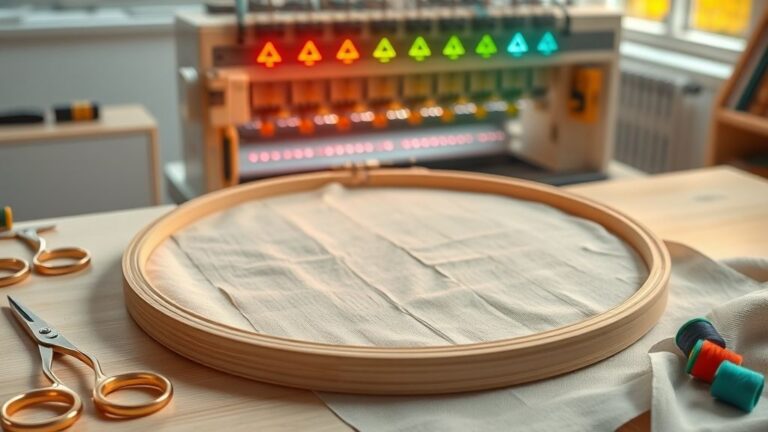
Using cultural embroidery designs ethically requires more than just creative skill; it necessitates the right equipment and methods to ensure respectful and accurate representation. Modern embroidery machines like the Brother PE770, costing around $1, 200, are popular choices due to their advanced features such as automatic thread cutting and over 200 built-in designs. These features simplify the reproduction of intricate traditional motifs while maintaining fidelity to cultural details.
To digitize and customize cultural motifs responsibly, professional software like Hatch Embroidery or Bernina ArtLink is highly recommended. These tools allow precise digitization, enabling creators to adapt designs without compromising their authenticity. Proper transfer methods, including high-quality transfer paper and chalk markers, ensure accurate placement, minimizing mistakes and preserving design integrity. Selecting threads that reflect traditional colors and materials further demonstrates respect for the cultural context, avoiding superficial or inappropriate color choices.
Additional resources, like vintage pattern books such as Siebmacher’s modelbooks or reputable online repositories, offer authentic design references. When issues such as misalignment or staining occur, simple adjustments, like tension calibration, stabilizer use, or transfer method optimization, can be effective troubleshooting steps. These tools and techniques provide a solid foundation for embroiderers committed to honoring cultural traditions in their projects.
Guidelines for Ethical Design Selection and Attribution
Selecting embroidery motifs rooted in diverse cultures requires a commitment to respect and cultural sensitivity. Properly researching and sourcing designs ensures that creators honor the cultural significance behind each pattern, reducing risks of appropriation. By following ethical practices, embroiderers can celebrate cultural diversity while maintaining integrity and responsibility in their craft.
Research the Cultural Background and Significance
Before choosing any motifs, conduct thorough research into their origins and meanings. Understanding the cultural significance helps prevent misinterpretation or misuse. Engaging with reputable sources such as academic archives or ethnographic studies provides accurate insights and authentic context for each design.
Select from Reputable and Licensed Sources
Ensure designs are obtained from trustworthy outlets like licensed pattern downloads or cultural repositories that acknowledge their origins. This guarantees proper attribution and helps support authentic communities. Avoid unverified sources that may distribute culturally insensitive or misrepresented patterns.
Respect Cultural Meaning in Commercial Use
Never modify or commercialize designs in ways that distort their cultural message. Alterations should be made with sensitivity, and the original intent should remain intact. This respect preserves the integrity of cultural motifs and prevents commodification that disrespects communities.
Attribute and Share Responsibly
Always credit the original community or source when sharing your embroidered work publicly or commercially. Include a statement of attribution and explain the cultural context within project documentation or online platforms. This acknowledgment fosters respect and educates viewers about the motifs’ significance.
Engage with Cultural Experts for Feedback
Whenever possible, consult with cultural representatives or experts before finalizing designs. Their feedback ensures respectful representation and can prevent unintentional offense. Active community engagement demonstrates genuine respect and willingness to learn.
Research indicates that sourcing responsibly involves understanding the cultural importance of motifs and acknowledging their origins. By incorporating these practices, embro
Implementing and Reviewing Cultural Embroidery Projects
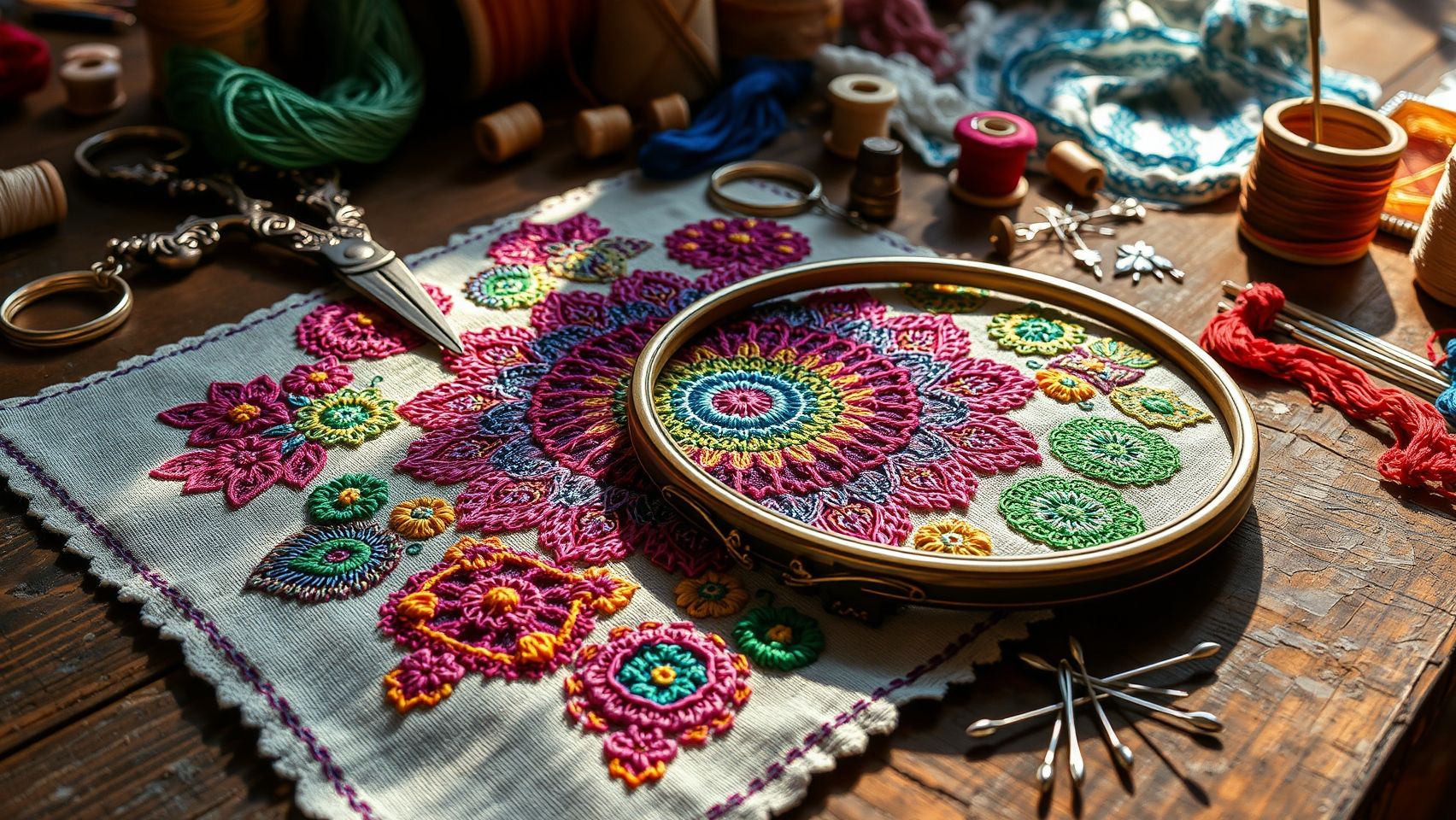
Executing respectful and high-quality embroidery projects that honor cultural origins requires deliberate planning and thorough review. Before starting, create a detailed project plan that includes understanding the cultural context, sourcing authentic designs or motifs, and specifying design placement to avoid misrepresentation. Use specialized transfer tools and techniques to ensure accurate placement, such as heat transfers or water-soluble stencils, which help maintain design integrity and respect the craftsmanship involved.
Once the embroidery is complete, conduct a comprehensive review focusing on alignment, color compatibility, and attribution accuracy. Check that the design placement aligns correctly and that the colors are true to cultural significance or original motifs. It’s crucial to involve cultural advisors or community members in this review process when possible, to ensure the project respects cultural sensitivities and authentic representation.
Document each step of your process, including notes on the cultural significance and your attribution system, to provide transparency and accountability. Sharing the finished work with acknowledgement of its origins and a story about the design’s cultural background demonstrates respect and educates viewers. This approach not only elevates the quality of your project but also fosters cultural appreciation and understanding in your embroidery practice.
Conclusion

Respectful and ethical use of cultural embroidery designs is essential in honoring the communities and traditions from which these motifs originate. As we’ve explored, thorough research, proper attribution, and meaningful engagement with cultural communities are practical steps to ensure your work celebrates heritage rather than appropriates it. By actively seeking knowledge and listening to voices from those cultures, you contribute to a more inclusive and respectful creative environment. Remember, ongoing learning and responsible practice are key components of truly appreciating cultural artistry. Let this guide your journey toward respectful collaboration and authentic representation. Your thoughtful efforts can make a positive difference, embrace the responsibility and empower cultural expression through your craftsmanship.