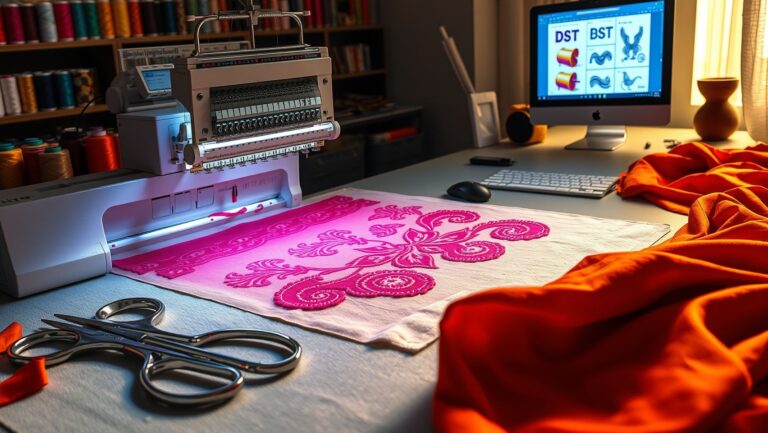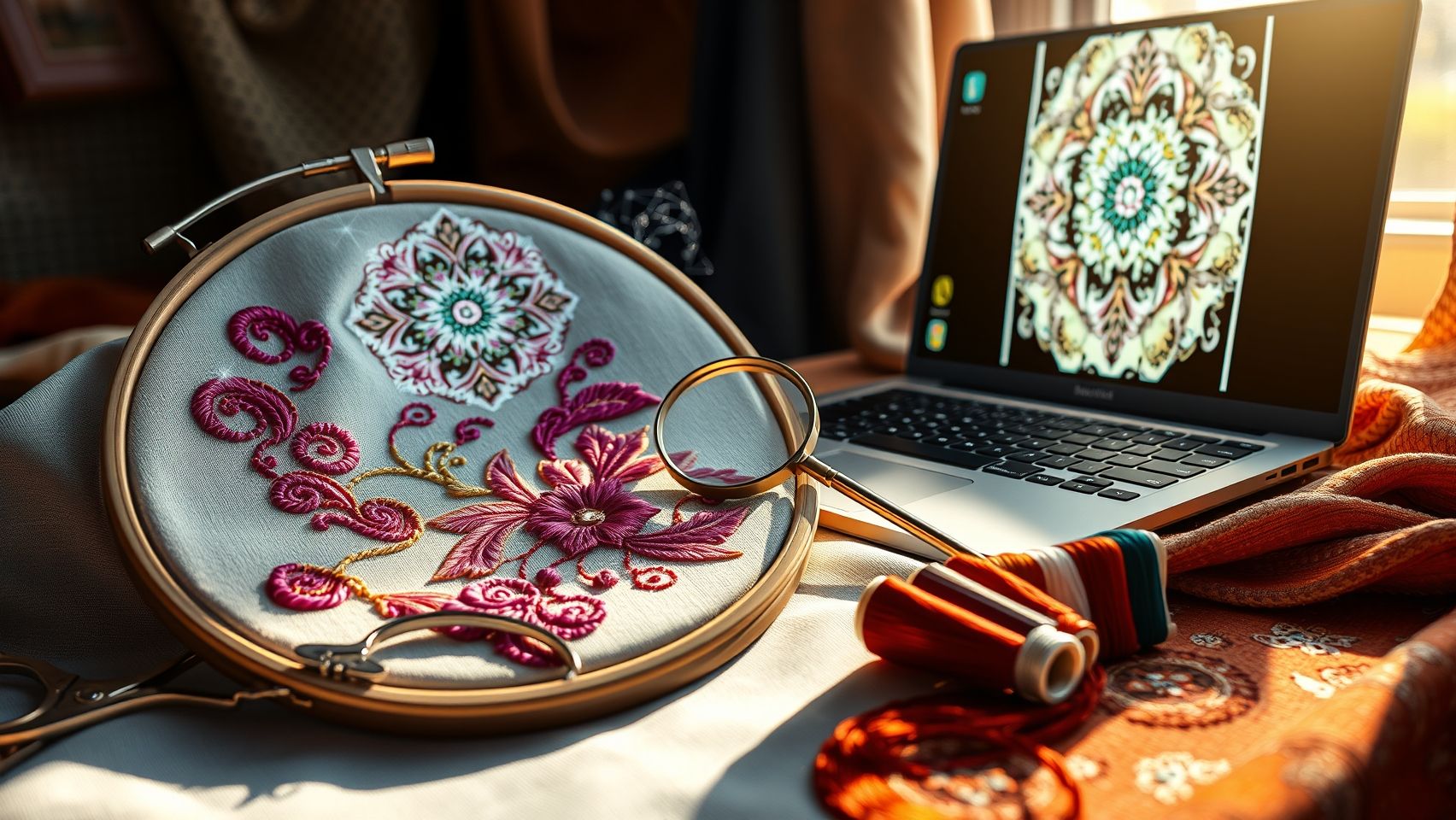
How AI Embroidery Design Tools Improve Pattern Creation and Quality
Have you ever wondered how artificial intelligence is revolutionizing the world of embroidery? Recent advancements in AI-powered pattern generation are transforming the way artisans create intricate designs, making the process faster, more precise, and accessible for everyone, from hobbyists to professional digitizers. With the surge of AI embroidery digitizing tools, complex patterns that once took hours to digitize can now be generated in minutes, significantly reducing time and costs. These innovations not only boost productivity but also elevate design quality by automatically optimizing stitches and minimizing errors. As the embroidery industry continues to grow, with the global market expected to reach over $3.7 billion by 2025, embracing AI tools can give both newcomers and seasoned artists a competitive edge. In this article, you’ll discover how these cutting-edge applications are reshaping embroidery, practical tips for adoption, and the tangible benefits you can expect. Ready to see how AI can elevate your craft?
Key AI Insights for Embroidery: What the Data Reveals
Artificial intelligence is transforming embroidery design and production, offering tools that significantly enhance efficiency and creative capacity. Recent industry reports highlight that approximately 70% of users value AI-driven vector pattern creation, particularly for intricate and modern designs. AI software, such as plugins for Adobe Illustrator like Astute Graphics, accelerates the digitization process by automating complex tasks and reducing errors. These tools enable designs involving textured, 3D, and geometric motifs to be generated rapidly, often in minutes, which previously took hours to manually create.
Moreover, AI applications are increasingly integrated into embroidery machines for streamlined workflows. Machines like Brother Innov-is (model NV880E) support wireless design transfer, minimizing setup time and facilitating quick revisions. AI algorithms also analyze stitch quality metrics to predict thread tension and optimize stitch sequences, directly reducing production errors and improving finished product consistency. Sustainability trends further drive the adoption of eco-friendly AI-designed patterns that minimize fabric waste and energy consumption.
Actionable Applications Based on Data
Designers can leverage AI tools such as Embroidery i2 with AI plugins, which costs around $2, 500, to generate complex motifs and textures efficiently. Industry data shows this investment enhances creative flexibility while shortening development cycles. Additionally, AI’s predictive capabilities help in preemptively adjusting tension and stitch paths, elevating overall quality. As a result, embroidery businesses are not only improving productivity but also aligning with sustainability goals by reducing material waste and energy use.
Continued advancements in AI and machine learning are expected to further streamline workflows, personalize designs at scale, and innovate fabrication techniques, ensuring the embroidery industry remains competitive and creative in an evolving digital landscape.
Step-by-Step Guide to Using AI for Embroidery Pattern Generation
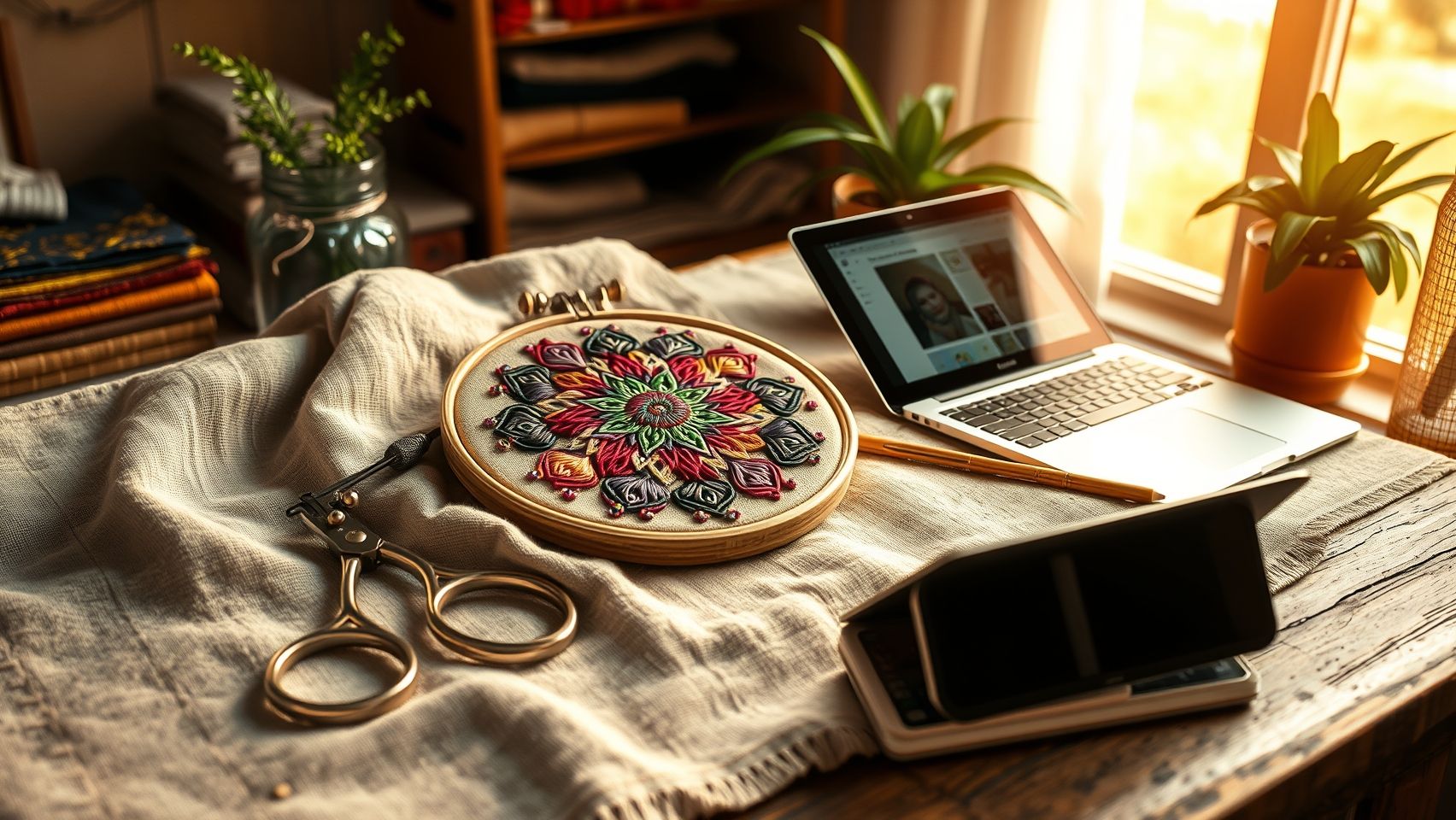
Integrating AI tools into embroidery design workflows significantly enhances pattern complexity, creation speed, and overall quality. Modern software like Hatch Embroidery, which costs around $1, 200, includes AI-assisted pattern generation, making it accessible for professional digitizers and hobbyists alike. Additionally, platforms such as Wilcom Embroidery Studio support refining AI-generated designs, offering a seamless transition from concept to finished product.
To begin, gather your initial design concepts or sketches. These can be simple drawings or digital images that you want to transform into embroidery patterns. Upload these into your AI-enabled embroidery software, such as Hatch or Wilcom. The AI pattern generation features will analyze your input, suggesting intricate motifs, textured stitches, and geometric shapes, thus accelerating the creative process.
Refining and Customizing the AI-Generated Patterns
Once the software produces preliminary designs, customize them by adjusting stitch types, densities, and color palettes to match your specific project requirements. Most AI tools allow for fine-tuning, ensuring the final pattern aligns perfectly with your vision. Experimenting with different configurations can lead to unique, professional-grade embroidery designs that stand out.
Exporting and Transferring Patterns
After refinement, export the completed embroidery files in formats compatible with your machine, such as DST, PES, or EXP. Ensure your embroidery machine supports wireless transfer via Wi-Fi or USB, modern models like Bernina Bernette or Janome Memory Craft facilitate quick, wireless uploads. Confirm that your software supports your specific embroidery machine to avoid compatibility issues, streamlining the entire production process.
Optimizing Embroidery Quality and Efficiency with AI Algorithms
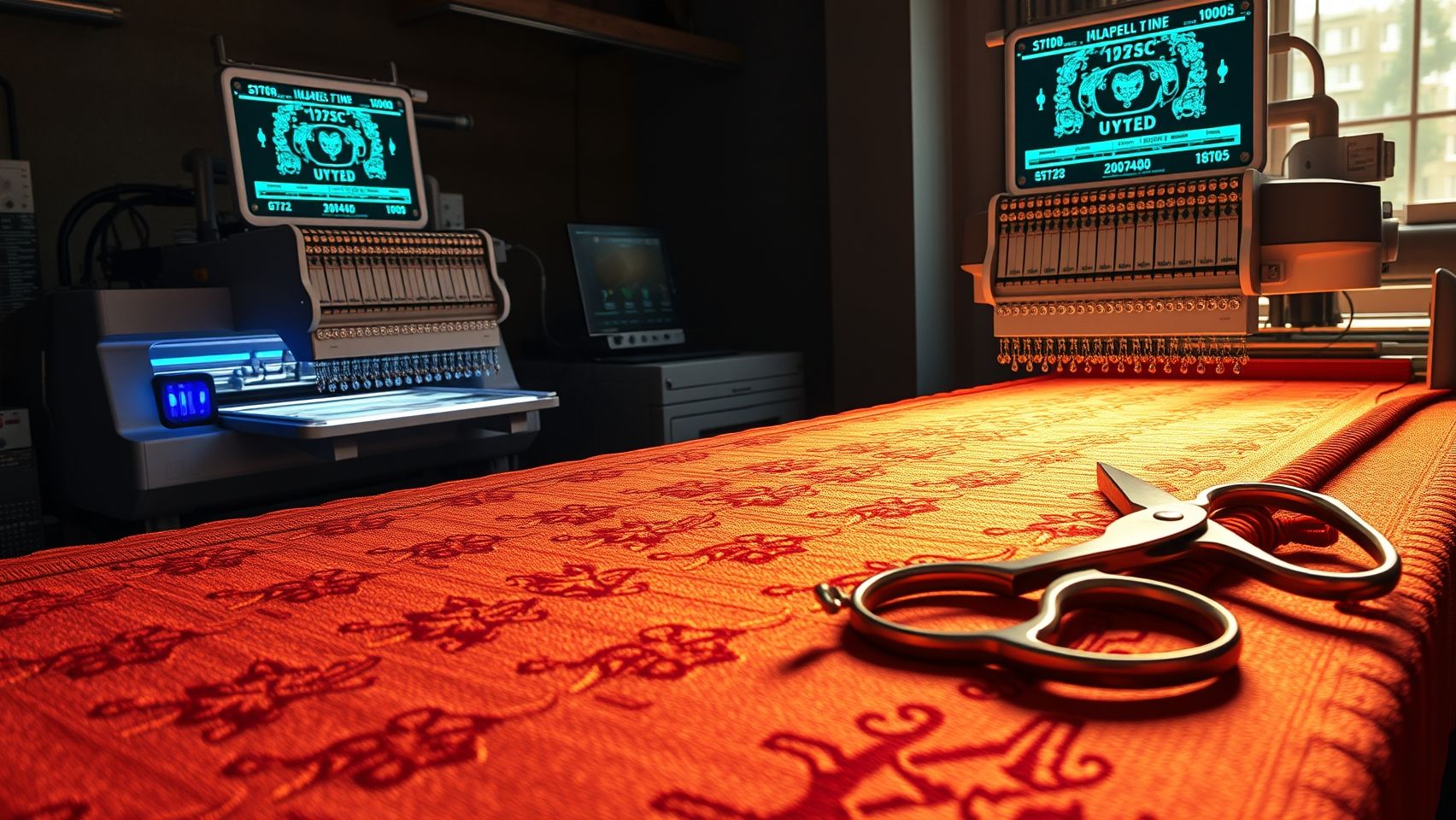
Embroidery practitioners are increasingly turning to AI-driven techniques to enhance both the quality and efficiency of their work. Integrating AI-based prediction and optimization tools into the embroidery process allows for more precise control over stitch quality, thread management, and machine performance. These advancements help reduce errors, minimize waste, and accelerate production timelines, making professional embroidery more consistent and cost-effective.
Implementing AI for Quality Control and Prediction
Modern embroidery software such as Hatch Designer and Wilcom’s Deco network incorporate AI-powered stitch analysis to foresee potential tension issues. By predicting puckering or skipped stitches, practitioners can proactively adjust settings, preventing flaws before they occur. Smith & Nephew’s AI-driven embroidery quality prediction system demonstrated a 35% improvement in stitch quality during pilot projects, underscoring AI’s potential impact.
Additionally, real-time monitoring tools can automatically modify machine parameters during operation. For example, high-end machines like Brother Innov-is NV880E support adaptive tension control, which dynamically adjusts tension based on fabric type and thread behavior, maintaining consistent quality. These systems are often trained using extensive databases of previous projects, enabling continuous learning and improved accuracy over time.
Furthermore, employing AI algorithms that simulate stitch paths helps minimize thread wastage and reduce production time by optimizing route planning. Using machine learning models trained on historical data guides practitioners toward optimal tension, stitch density, and embroidery paths, streamlining operations without sacrificing quality.
Choosing Hardware and Software for AI Integration
Selecting embroidery equipment capable of supporting adaptive settings is crucial. Machines such as Brother PE770 and Janome HD3000 are compatible with AI feedback features, providing better control and fewer manual adjustments. Combining these machines with AI-enabled software ensures that embroidery operations are both precise and adaptable, leading to higher quality outcomes and increased throughput.
Integrating Sustainable and Eco-Friendly AI-Generated Patterns
Embracing sustainability in embroidery practices is becoming increasingly vital, especially as the industry witnesses a 35% growth in eco-conscious projects over the past two years. Leveraging AI-designed virtual patterns offers practical solutions for reducing waste and conserving resources. AI tools like EcoPattern Generator, costing around $300 annually, optimize stitch paths to minimize thread use and waste, aligning with environmentally friendly objectives. These tools help craft intricate designs while ensuring minimal material consumption, promoting a more sustainable workflow.
Choosing eco-friendly embroidery threads is another step forward. Recycled polyester, organic cotton, and other sustainable options from brands like EcoThreads and Repreve, priced at approximately $15 per spool, are highly compatible with AI-generated designs. Implementing machine settings guided by AI, such as adjusted tension and stitch density, further reduces material waste and enhances efficiency. Additionally, digitizing vintage or upcycled textiles through AI-based pattern adaptation preserves original designs while drastically lowering material needs.
Implementing Sustainable Embroidery with AI-Driven Practices
Utilize AI marketplaces like Creative Market to source patterns supporting sustainable initiatives, ensuring that your projects align with eco-friendly standards. Tracking metrics such as thread saved and energy consumed enables continual process refinement. Recent developments in embroidery software incorporate advanced algorithms to optimize for sustainability, making eco-conscious choices more accessible than ever. Through these practical steps, embroiderers can significantly reduce environmental impact while maintaining high-quality craftsmanship and innovative designs.
Tools, Equipment, and Software for AI-Enhanced Embroidery
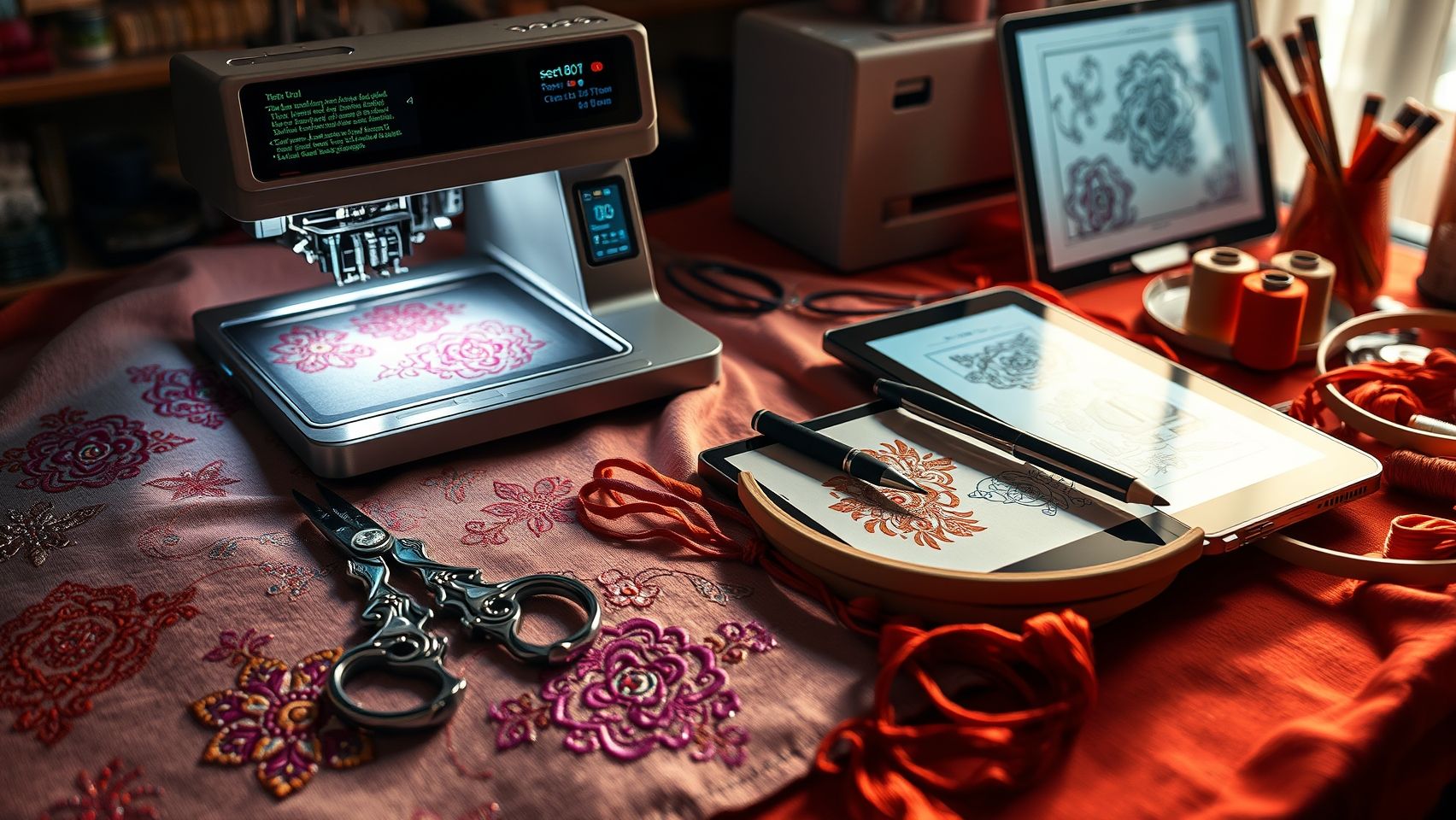
Integrating artificial intelligence into embroidery design requires specialized hardware and software solutions that streamline pattern creation, enhance precision, and expand creative possibilities. Modern embroidery machines now support wireless design upload and AI integration, making the process more efficient and accessible for both hobbyists and professionals.
High-end embroidery machines such as the Brother Innov-is NV880E, Bernina 770 QE, and Janome Memory Craft 12000 are equipped with features supporting wireless connectivity and AI-powered design tools. For instance, the Brother Innov-is NV880E features a large embroidery area (260 x 160mm), 258 built-in designs, and speeds up to 850 stitches per minute, all supported by advanced pattern editing and color sorting functionalities. Similarly, Bernina 770 QE offers wireless transfer capabilities and compatibility with AI-enhanced digitizing software, which greatly simplifies pattern customization.
Design Software
Effective AI-driven embroidery design relies heavily on sophisticated software solutions. Hatch Embroidery Studio and Wilcom Deco are industry leaders, offering feature-rich platforms capable of AI-assisted pattern creation and editing. Hatch Embroidery, for example, provides intuitive tools and supports thousands of downloadable AI-generated patterns via pattern libraries, accessible through subscription services. Adobe Illustrator, augmented with AI plugins, allows for advanced graphic design integration, enabling seamless conversion of complex images into embroidery-ready formats. Embroidery i2, priced around $2, 500, is another powerful option supporting detailed customization and AI-assisted automation.
Pattern Libraries and Accessories
Pattern libraries such as Creative Market and EmbroideryDesigns.com host a vast array of downloadable AI-generated patterns, expanding creative options and reducing design time. Accessories like large hoops (up to 10 inches x 10 inches) ensure the ability to handle larger projects. High-resolution touchscreens on machines provide an invaluable preview of AI-designed patterns before stitching, allowing for adjustments and quality assurance. Additionally, eco-friendly threads and specialized stitch analysis tools help optimize production quality while supporting sustainable practices.
Additional Tools and Cost Considerations
Subscription-based AI pattern generation apps like AI Pattern Maker, costing around $20 per month, streamline the creation process even further by providing customizable, AI-generated designs. Stitch analysis tools evaluate stitch quality, ensuring high standards are maintained. The initial setup cost for hardware and software typically ranges from $2, 000 to $4, 000, depending on the machine and software choices, with ongoing expenses for pattern libraries, accessories, and updates. This investment opens up new creative avenues and elevates embroidery production to a new level of precision and efficiency.
Conclusion

As we’ve explored, integrating AI into embroidery design significantly enhances creativity, boosts quality, and promotes sustainability. By leveraging innovative tools such as intelligent pattern generators, automated stitch optimization, and cloud-based design platforms, artisans and businesses can streamline their workflows and create stunning, unique patterns with ease. Staying ahead in this competitive industry means embracing these advancements, step-by-step processes and proper equipment are key to maximizing the benefits. Notably, recent industry trends highlight the rapid adoption of AI-driven solutions, underscoring their value in achieving precision and efficiency.
Now is the perfect time to start your journey: explore trial versions of leading AI embroidery software or upgrade your machinery to include intelligent digitizing features. Experiment with sustainable and eco-friendly patterns to reduce waste and increase profitability, aligning your craft with the future of responsible design.
Don’t wait to innovate, transform your embroidery projects today and unlock new levels of creative potential and business success. The future belongs to those who adopt the power of AI now.
Embrace the technology, elevate your craft, and let your creativity thrive!