Reviving Redwork Embroidery with Modern Patterns
This post contains affiliate links. As an Amazon Associate, Latest Embroidery earns from qualifying
purchases, at no extra cost to you. Learn more.
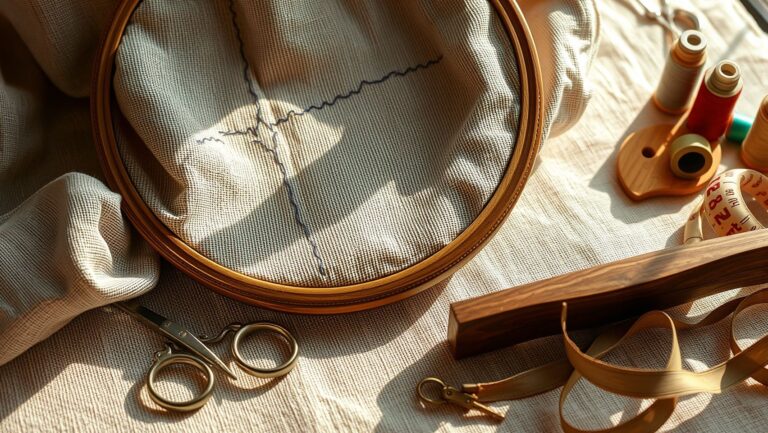
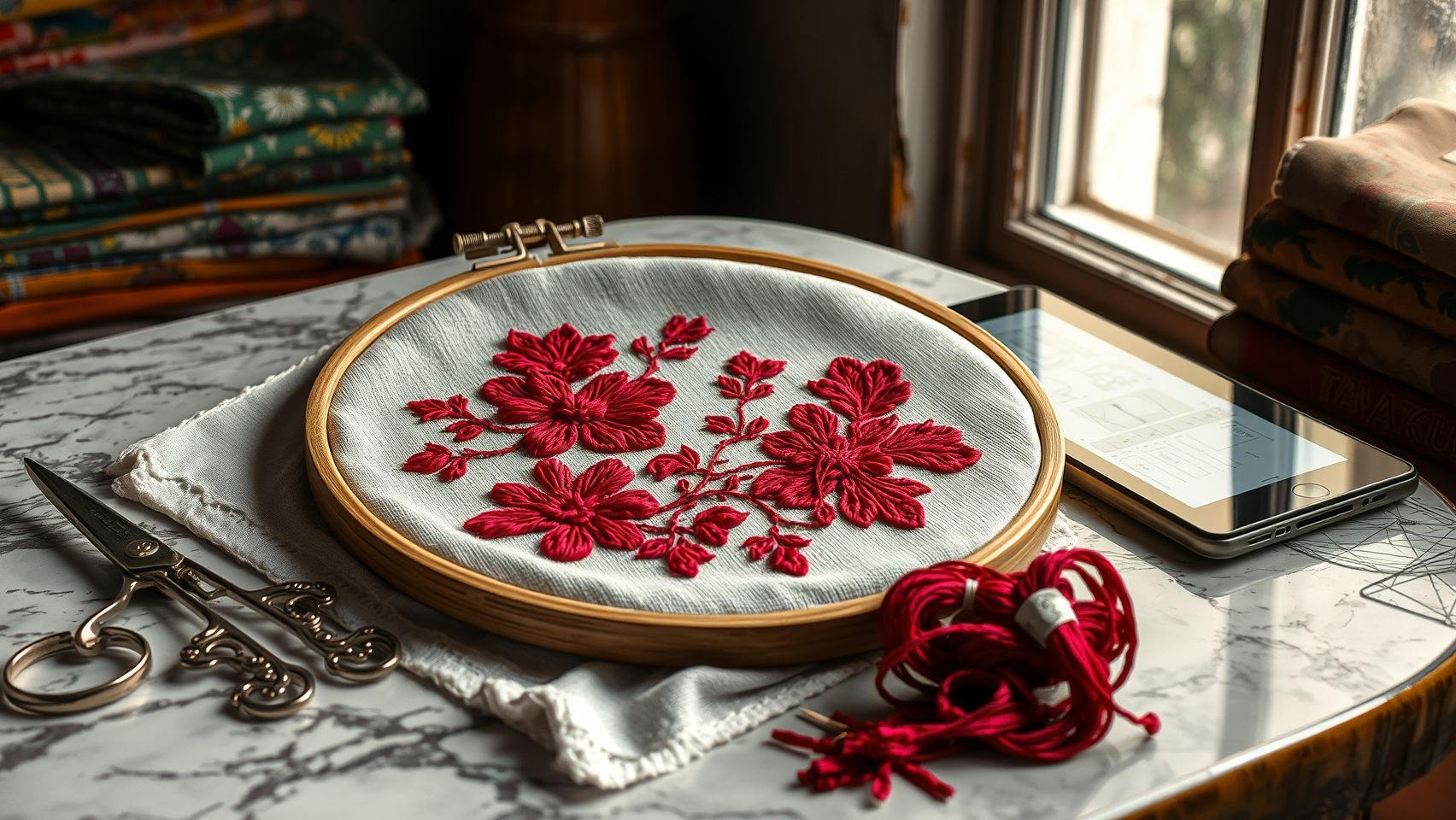
Have you noticed how redwork embroidery is making a vibrant comeback? From vintage-inspired quilts to contemporary decor, this classic style is capturing the hearts of crafters anew. Yet, updating traditional redwork with fresh patterns can seem daunting, how do you blend old charm with modern flair without losing its essence? The good news is that recent innovations, like adaptable patterns and innovative thread choices, are making this easier than ever. Insights from industry leaders and the latest embroidery tools offer practical solutions, helping hobbyists and professionals elevate their craft within weeks. Want to learn how to craft stunning, modern redwork designs that turn heads? In this article, I’ll share step-by-step guidance for reviving this timeless art, along with tips to keep your work looking fresh & current. So, whether you’re a seasoned sewer or just starting out, get ready to embrace and reshape redwork embroidery in exciting new ways:
Discover how to incorporate recent trends and innovations into your projects by exploring embroidery industry insights and the latest embroidery tools. Let’s breathe new life into redwork and make your creations stand out this year!
How to Adapt Traditional Redwork Patterns for Modern Wearables
Short on time? If you only take one thing from this guide: Beginner embroidery starter kit — hoops, floss, needles and fabric in one box.
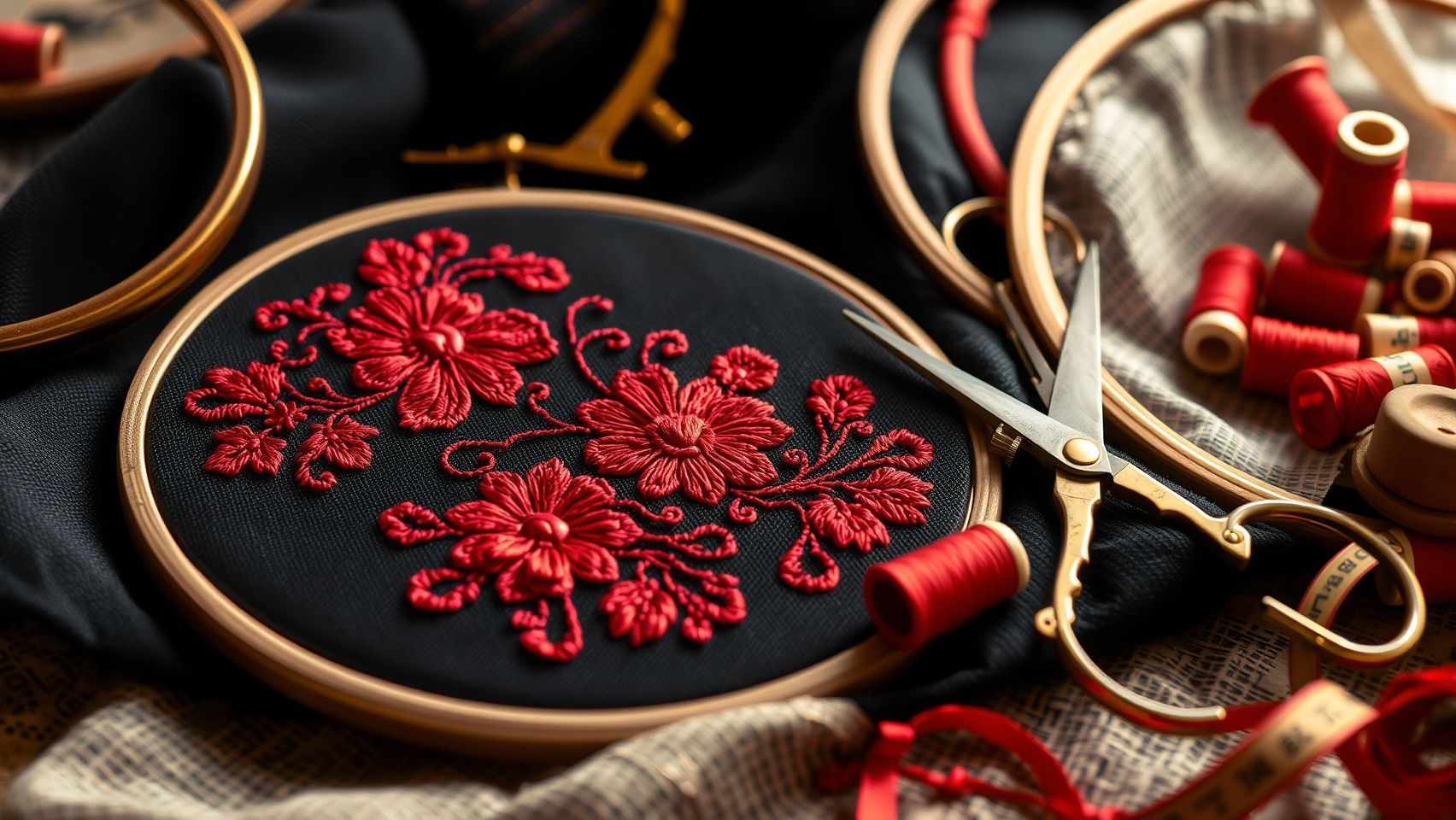
Reviving redwork embroidery in 2025 involves transforming classic motifs into contemporary designs suitable for various fashion and home decor items. The process starts with digitizing traditional patterns, then customizing their size, colors, and layout to match current trends. This approach ensures timeless craftsmanship integrates seamlessly into modern aesthetics.
Digitizing and Scaling Classic Patterns
Begin by scanning and digitizing existing redwork embroidery patterns using software like Wilcom or EmbroideryOSStudio. These programs allow you to trace and convert hand-drawn motifs into digital files suitable for embroidery machines. Once digitized, adjust the size of your pattern by using software zoom or copy functions. For example, enlarge a motif originally 14 units to fit a 10-inch x 10-inch square, perfect for clothing panels or accessories. Practical tip: always test scalability on scrap fabric to ensure clarity and proportion before final stitching.
Updating Colors for Trendy Designs
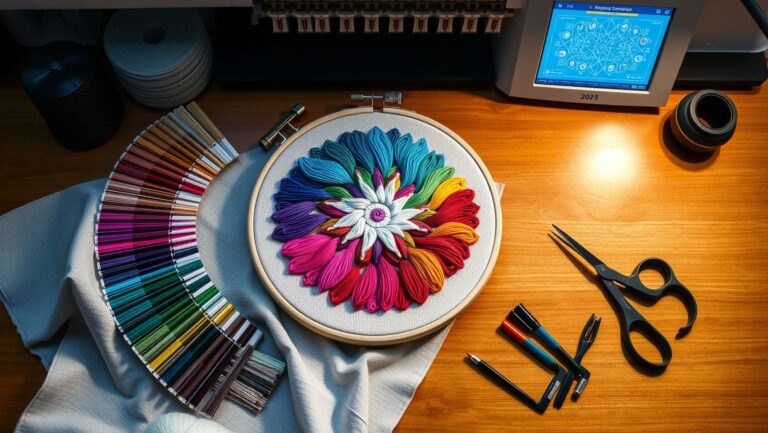
Traditional redwork is characterized by a vibrant red thread, but modern designs benefit from a varied color palette. Select thread colors like metallic gold, pastel pinks, or monochrome shades to match current trends. Replace standard reds with layered shades to add depth and dimension. Using thread collections from brands like Madeira or Valdani can enhance visual appeal, especially when incorporating metallic or eco-friendly threads.
Implementing Repeats, Symmetry, and Seamless Patterns
Utilize software features to create pattern repeats and symmetrical designs. This ensures seamless motifs across fabric panels, cuffs, or pillow covers. Duplication tools and symmetry functions help craft consistent, harmonious designs that can be easily adapted for different items. Testing repeat patterns on fabric swatches is crucial to achieve a uniform look and prevent mismatched seams or overlaps.
Choosing Stabilizers and Optimizing Stitching
Select stabilizers suited for your fabric type: tear-away for light fabrics, all-purpose for medium weights, and heavy-duty for denim or upholstery. Conduct trial runs on scrap pieces, adjusting tension and stitch density to prevent puckering or thread bleeding, especially with metallic or variegated threads. Final pressing with a low-heat iron (no steam) will keep the embroidery crisp and vibrant, ready to showcase your modernized redwork masterpiece.
Essential Tools and Materials for Modern Redwork Embroidery
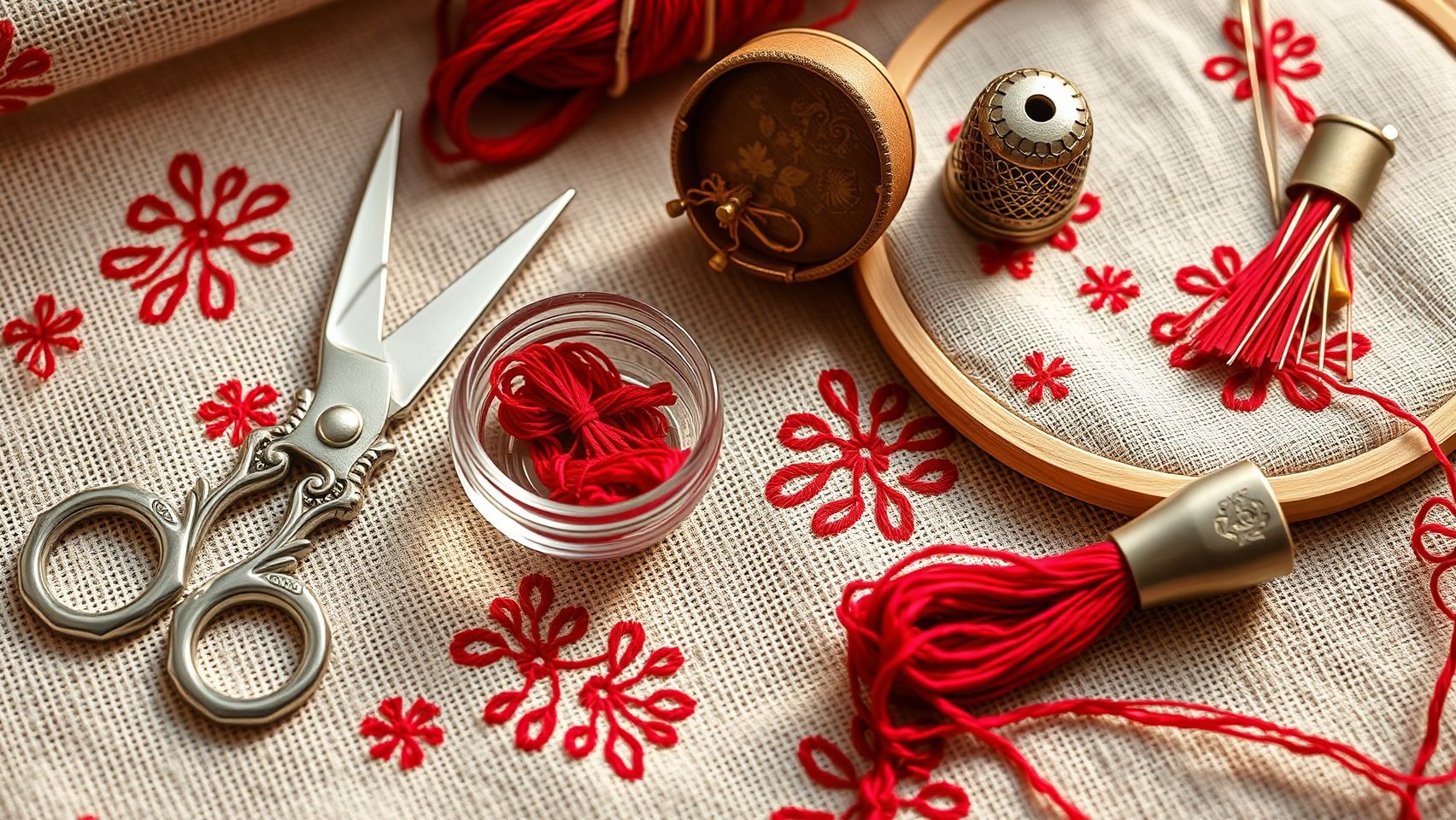
Reviving redwork embroidery with modern patterns requires not only creative design choices but also the right equipment and materials to ensure seamless execution. Upgrading from traditional hand-stitched methods to advanced machine embroidery opens new possibilities for detailed, vibrant, and durable projects. Selecting the appropriate tools and supplies can greatly enhance your experience and results, especially in 2025 where technological advancements offer unprecedented precision and convenience.
Investing in quality embroidery machines, software, threads, stabilizers, and accessories is crucial for a successful transition. These components work together to improve efficiency, accuracy, and aesthetics, allowing both beginners and seasoned artisans to fully explore modern redwork techniques and craft beautiful, contemporary designs.
Embroidery Machines and Equipment
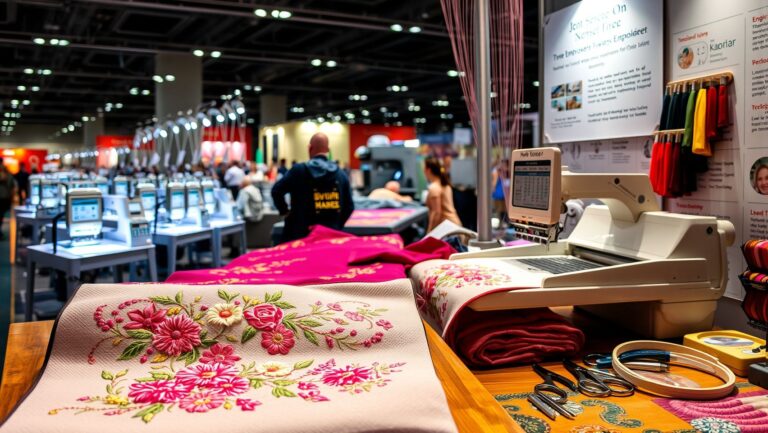
Modern embroidery machines like the Brother SE1900, Janome Memory Craft 14000, and Bernina 700 provide essential features such as automatic thread trimming, large hoops (up to 10 inch x 10 inch), and intuitive interfaces. These features facilitate complex design work and reduce manual effort. The Janome 14000, priced around $2, 500, is renowned for its high-speed operation and advanced digitizing capabilities, making it ideal for detailed redwork motifs. Similarly, the Brother SE1900, costing approximately $1, 200, offers excellent versatility for both beginners and pros, with built-in stitches and easy-to-use controls.
Design Software for Digitization and Customization
Design software like Wilcom Embroidery Studio e4 and Hatch Embroidery are vital for creating, scaling, and customizing modern patterns. Wilcom offers sophisticated digitizing tools suitable for professional-level design, priced around $2, 000. Hatch provides a user-friendly experience, ideal for hobbyists and small businesses, at about $999. Free options like Ink/Stitch are also popular among new users for basic pattern editing. These programs enable artists to seamlessly digitize traditional motifs into vibrant, modern reinterpretations, enhancing the redwork revival with personalized touches.
Threads and Stabilizers for Durability and Sustainability
Eco-friendly embroidery threads such as Valdani, Madeira, and Sulky Recycled Polyester ensure vibrant colors with sustainability at the forefront. These threads are typically priced between $3-$5 per spool, providing excellent value. Stabilizers like Sulky Tear-Easy, OESD Cut-Away, and adhesive-backed options guarantee excellent stability for mixed fabric textures, crucial for detailed redwork. Stabilizer packages generally cost between $20 and $40, offering enough material for multiple projects and maintaining design integrity during stitching.
Additional Accessories for Enhanced Precision
Accessories such as magnetic hoops, multi-needle machines, and LED lighting significantly improve precision and reduce fatigue during long embroidery sessions. Magnetic hoops, around $50 for a 6-inch size, simplify alignment and reduce hooping time. High-quality needles, including John James Sharp Point in size 75/11, cost about $10 per pack and ensure clean stitches. Basic tools like embroidery scissors and pressing aids complete your setup, helping to maintain high-quality finishes and prolong the lifespan of your equipment.
Comparing Embroidery Machines and Software for Redwork Projects
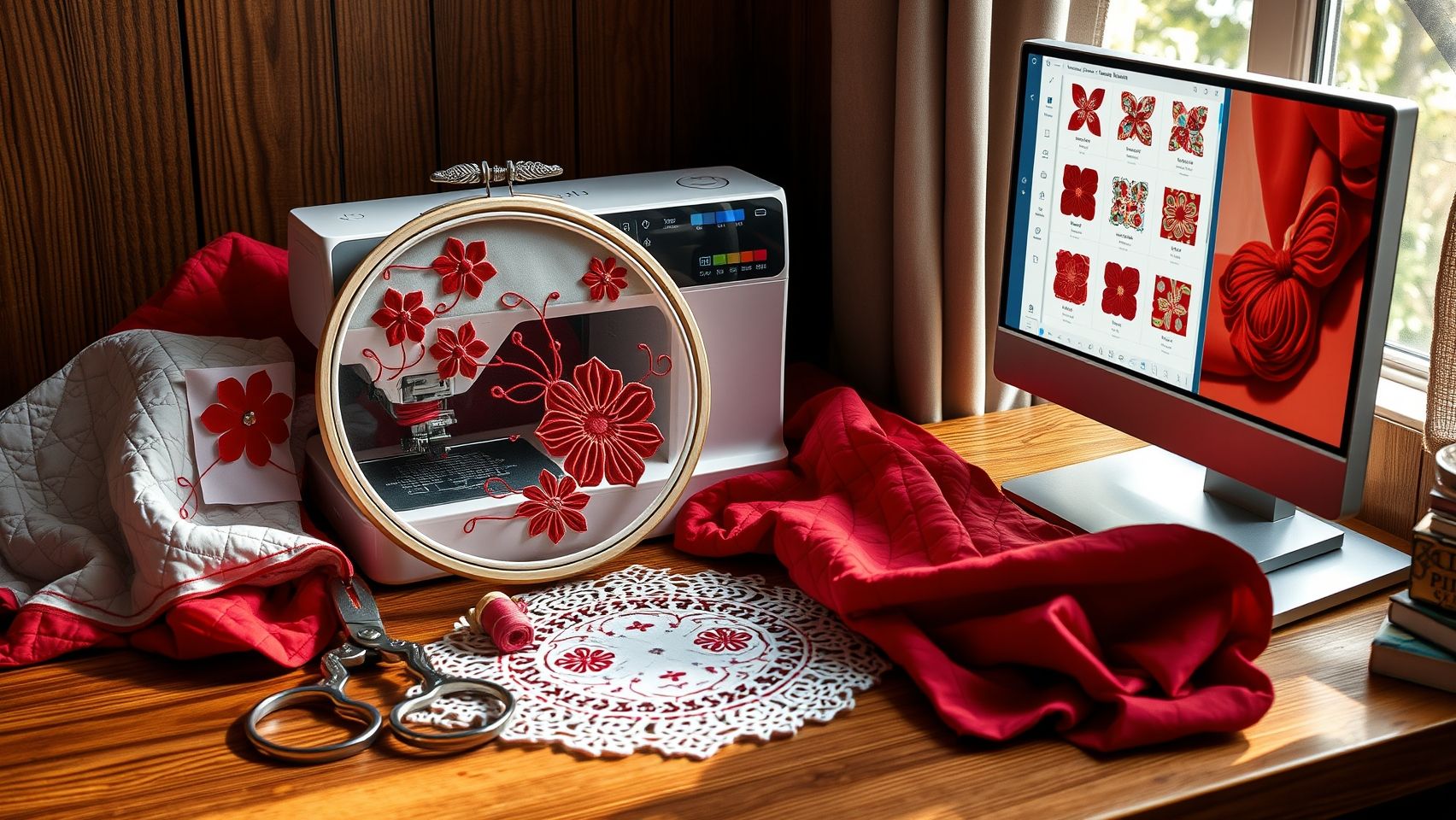
Choosing the right embroidery equipment is crucial for reviving redwork embroidery with modern patterns in 2025. The market offers a range of machines tailored for hobbyists and professionals, each with unique features, costs, and capabilities. Understanding these differences helps in selecting equipment that aligns with project needs and budget constraints.
Feature Comparison of Leading Machines
Price vs. Features & Software Options
For budget-conscious hobbyists, the Brother SE1900 at around $1, 200 provides essential features with manual digitizing, ideal for redwork revival projects. Mid-range options like the Janome 14000 (~$2, 500) offer larger hoops and more stitches, suitable for more detailed or professional work. High-end models such as Bernina 700 (~$3, 200) bring advanced automation and superior stitch quality, perfect for small businesses.
Digitizing software varies from manual options like Hatch (~$999), which offers easy learning curves for beginners, to advanced platforms like Wilcom, tailored for professional design, featuring extensive tools but with steeper learning curves. Beginners benefit from user-friendly interfaces, ensuring high output quality for detailed redwork patterns, while professionals may prefer automation for efficiency.
Performance metrics such as stitch quality, speed, and reliability significantly impact production continuity. For small home studios, a machine with balanced speed and ease of use like the Brother SE1900 suffices, whereas professional shops demand robust models like the Janome 14000 or Bernina 700 for consistent, high-volume projects.
Step-by-Step: Creating and Implementing Modern Redwork Patterns
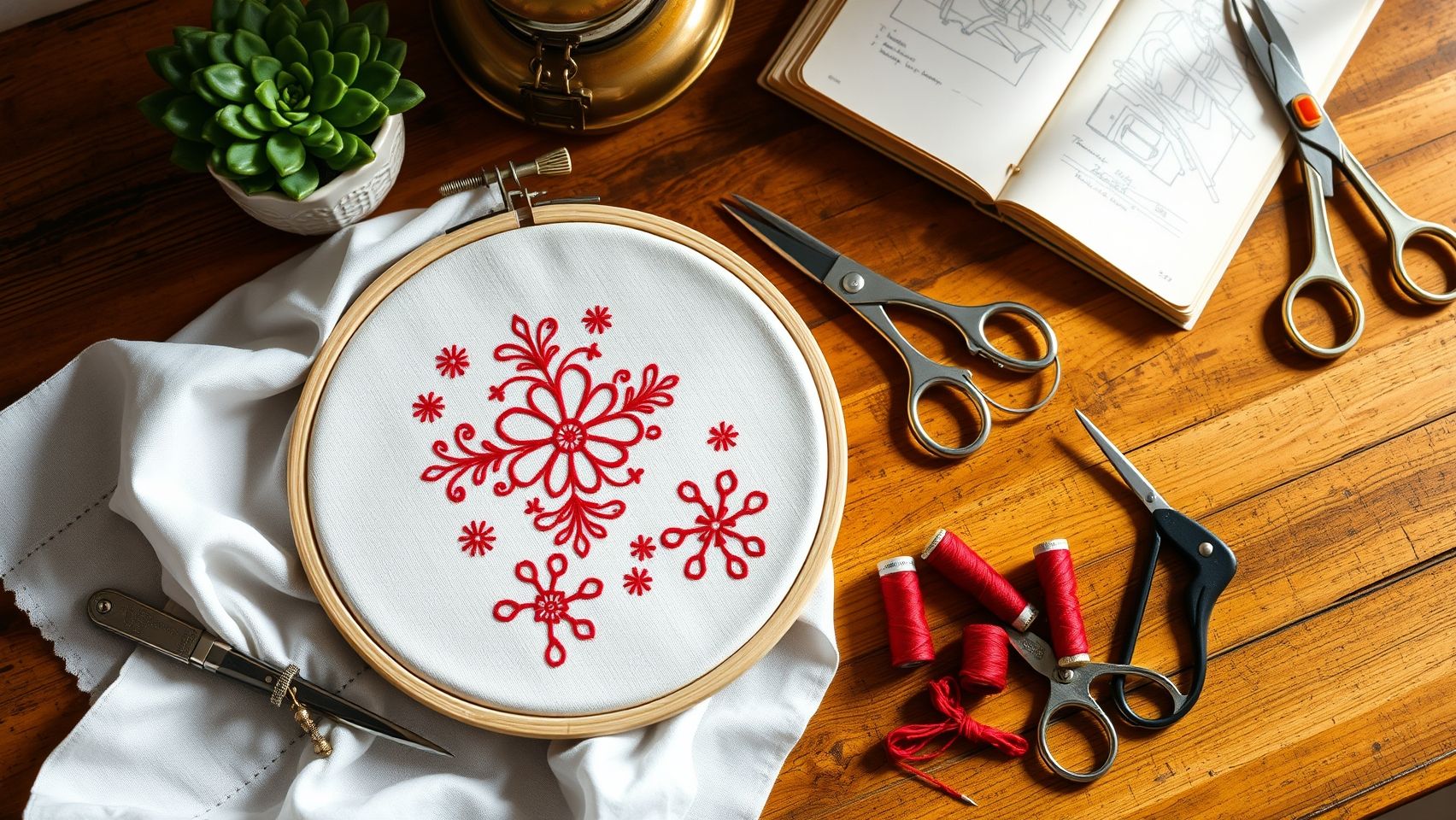
Reviving traditional redwork embroidery with modern patterns offers a fresh take on this classic craft. By following a structured process, even beginners can create stunning designs that blend timeless motifs with contemporary style. The key lies in careful planning, digital design, and precise stitching techniques to achieve professional results.
Typically, the process starts with sourcing or sketching modern motifs, then digitizing them to fit project specifications. Using advanced embroidery software allows you to adapt traditional patterns into new dimensions, color schemes, and arrangements, ensuring your final piece is both unique and aligned with current trends.
Designing and Sourcing Patterns
Begin by sketching your ideas or sourcing motifs from pattern series like Ensamplario Atlantio, which offers a variety of traditional and modern designs. Scan these sketches or import digital versions into embroidery software such as Wilcom Embroidery Studio e4, which allows pattern scaling from 14 to 10 inches for precise fitting on various items.
Use software features like pattern scaling, symmetry, and repeat functions to adapt classic motifs into fresh, contemporary layouts. For example, transforming simple floral or geometric patterns into embroidered borders or central motifs enhances the overall aesthetic. Creating seamless repeats or symmetrical arrangements helps produce cohesive, modern-looking embroidery pieces.
Choosing Threads and Setting Up Your Machine
Select thread palettes that reflect current trends, metallics for a luxe effect, pastels for softness, or monochromatic schemes for minimalist elegance, and load them into your embroidery machine. Metallic threads from brands like Madeira or Sulky provide eye-catching accents, but require tension adjustments to prevent puckering.
Set your machine parameters carefully: stitch density around 0.4 mm for fine redwork lines, with tension adjustments based on test stitches. Perform test runs on scrap fabric to fine-tune tension and stitch speed, especially when using metallic or variegated threads. This step helps avoid issues like thread breakage or puckering and ensures clean, crisp lines.
Finalizing and Executing the Design
Once satisfied with your test results, finalize your design on the actual fabric. Use a stabilizer to support the embroidery and press gently to keep the fabric smooth. Carefully align your design, then proceed with stitching, paying attention to thread order and color changes. A well-executed redwork piece combines sharp, precise lines with balanced color distribution for a polished look.
By following these steps, design sourcing, digitization, thread selection, test stitching, and final execution, you can effectively create and implement modern redwork patterns that resonate with today’s aesthetic sensibilities while honoring traditional craftsmanship.
Conclusion
Embracing the revival of redwork embroidery in 2025 offers a fantastic opportunity to blend traditional craftsmanship with modern innovation. By leveraging contemporary tools and techniques, you can create stunning, unique pieces that resonate with today’s aesthetic and sustainability trends. Whether you’re passionate hobbyist or aspiring entrepreneur, choosing high-quality equipment and sustainable materials will ensure your projects stand out and endure. Following step-by-step methods helps guarantee professional results and builds your confidence along the way.
Now is the perfect time to start experimenting with digital patterns, invest in reliable tools, and share your beautiful redwork creations on social media. Doing so not only enhances your skills but also inspires others to rediscover and modernize this timeless art form. Take these practical steps today and watch your creative potential flourish, your journey towards a vibrant embroidery future begins now!
Remember, your craftsmanship can help keep this beloved tradition alive in a fresh and exciting way. Happy stitching!
Free: 12 Essential Hand Embroidery Stitches
A printable illustrated cheat sheet of the 12 core stitches every embroiderer should know. Instant PDF.
No spam. One-click unsubscribe.