Embroidery Machine Warranty Comparison Guide: Save Money & Avoid Surprises
This post contains affiliate links. As an Amazon Associate, Latest Embroidery earns from qualifying
purchases, at no extra cost to you. Learn more.
Are you tired of unexpected repair costs ruining your embroidery projects? You’re not alone. Many crafters and small business owners find themselves caught off guard by hidden warranty pitfalls or limited coverage that doesn’t match their needs. Did you know that some machines come with short-term warranties that barely cover the first year, leaving you vulnerable to costly repairs later? Others might offer extensive coverage but at a steep price, making you wonder if it’s worth it. In this guide, we’ll explore real device examples from top brands like Brother, Tajima, and Ricoma, revealing what their warranties actually include. You’ll learn how to compare different coverage options effectively, so you can save money and avoid surprises down the line. Whether you’re a beginner or a seasoned pro, understanding warranty details is crucial to protecting your investment. Stick around, we’ll give you clear, practical tips to choose the best warranty for your embroidery journey and keep your projects running smoothly without breaking the bank.
What Embroidery Machine Warranties Cover and What They Don’t
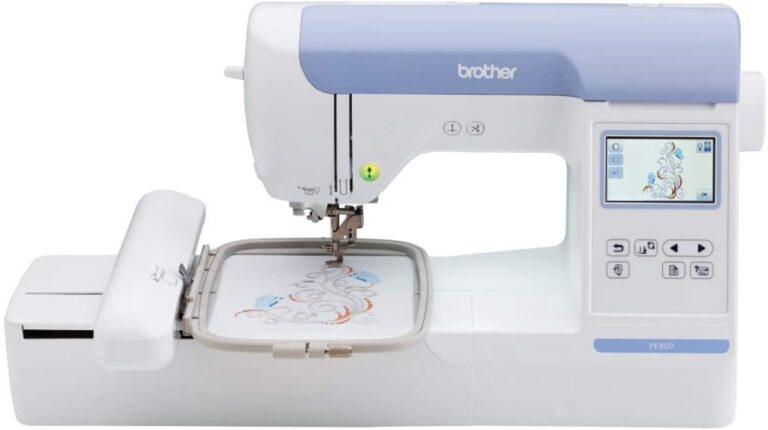
Short on time? If you only take one thing from this guide: Brother SE700 — the machine we point most beginners to — touchscreen, wireless transfer, and it sews as well as embroiders.
Understanding what is covered under an embroidery machine warranty is crucial for making a smart purchase and avoiding unexpected costs. Warranties can vary significantly between brands and models, so knowing how to read policies and identify common exclusions helps protect your investment. This section breaks down typical warranty features, compares durations, and provides practical tips on verifying coverage before buying.
Common Warranty Coverage Features
Most embroidery machine warranties include coverage for essential components such as mechanical parts, electrical systems, and software updates. For example, brands like Janome offer 2-year coverage that includes mechanical parts, which ensures repairs for motor failures or breakdowns within that period.
Labor is often covered as part of the warranty during the initial years, reducing repair costs for the owner. Software updates, especially for newer models, frequently form part of the coverage, allowing users to benefit from bug fixes and feature enhancements without additional expenses.
Another critical aspect is troubleshooting support, which some warranties extend to remote diagnostics or on-site repairs, making maintenance more manageable for users unfamiliar with technical issues.
Typical Exclusions and Limitations
Despite broad coverage, warranties generally exclude wear and tear, which accounts for parts like needles, belts, and thread tensions that naturally degrade over time. Damage caused by accidents, misuse, or neglect is also typically not covered, such as broken parts resulting from dropping the machine or using incompatible accessories.
Software issues, especially those stemming from user modifications or third-party software, often fall outside warranty protections. Additionally, certain brands exclude damage from power surges or environmental factors like moisture or extreme temperatures.
Warranty Duration Comparisons
Warranty lengths vary widely among brands, influencing overall protection periods and potential costs. For instance, Brother offers a standard warranty covering 25 stitches or 1 year, which may appeal to occasional users or hobbyists. Janome provides a more extended 2-year coverage, including mechanical parts, making it suitable for regular use.
In contrast, Bernina offers lifetime warranties on some models, primarily targeting serious and professional embroiderers who rely heavily on durability and long-term service. These extended warranties often come with specific terms and registration requirements, so always verify before purchasing.
How to Verify Coverage Before Purchase
- Request warranty documents directly from the seller or manufacturer, ensuring you receive the latest version for your chosen model.
- Carefully review the policy details, noting coverage periods, included components, and exclusions. Pay particular attention to clauses about wear parts and misuse.
- Compare warranty terms across models and brands to evaluate which offers the best coverage for your needs.
- Check customer reviews and forums for real-world insights on warranty service quality and common issues faced by users.
- Confirm registration procedures and how to initiate a claim if repairs are needed in the future, many brands require online registration within a specific window.
By following these steps and understanding standard warranty features, you can make well-informed decisions that save money and prevent surprises, ensuring your embroidery machine remains a valuable tool for years to come.
How to Evaluate and Choose the Best Extended Protection Plan
Selecting the right extended protection plan for your embroidery machine can save you money and prevent unexpected expenses. It’s essential to research carefully, compare options, and identify what coverage suits your needs. This step-by-step guide will help you navigate the process with confidence, whether you’re considering a manufacturer plan or a third-party provider.
Identify Trusted Providers: Manufacturer vs Third-Party Plans
Begin by distinguishing between manufacturer warranties and third-party plans. Manufacturer plans, such as those from Janome or Brother, typically offer tailored coverage specifically for their models. These plans often include benefits like transferability and localized service centers. Conversely, third-party providers may offer broader coverage at potentially lower costs but require careful vetting for reliability and service quality. Customer reviews frequently highlight the importance of transferability and prompt service when choosing between these options. For instance, Janome’s extended plans range from $150 to $300 annually depending on the model, covering mechanical parts, electronics, and accidental damage.
Create a Checklist for Comparison
- Coverage scope: Ensure the plan covers mechanical parts, electronics, and accidental damage. Confirm if it includes on-site service or requires shipping your machine.
- Costs: Gather premiums, deductibles, and any additional fees. Compare the total costs over the plan duration.
- Transferability: Check if the plan can be transferred if you sell or gift the machine, which adds resale value.
- Service centers: Confirm availability of authorized service centers nearby, especially for quick repairs and genuine parts.
Gather Quotes and Compare
Request quotes from multiple providers, both manufacturer and third-party, for your specific embroidery machine model. For example, compare Janome Digitizer plans against Brother Innov-is series coverage costs. Note premiums, deductibles, and limits on claims. Use a spreadsheet to chart these data points for clear comparison. Also, consider the total coverage amount and the duration of protection, three years being a common timeframe to evaluate potential savings on repairs.
Assess the Value of Plans
Calculate the monthly cost of each plan and weigh it against potential repair expenses. For example, if a Janome plan costs $200 annually and covers repairs potentially costing $300 or more per incident, the plan might be worthwhile if multiple repairs occur within three years. Conversely, if repairs on your machine tend to be infrequent or inexpensive, a plan might not be cost-effective.
Tips to Avoid Upselling or Hidden Fees
Ask specific questions about coverage limits, claim process, and any hidden fees. Clarify whether there are extra charges for replacement parts or service calls. Knowing these details helps prevent overspending on unnecessary coverage and ensures you receive value for your investment. Reading customer reviews can also highlight common pitfalls or unexpected costs associated with particular plans.
Step-by-Step: How to File an Embroidery Machine Warranty Claim
Filing a warranty claim for your embroidery machine can seem daunting, but understanding the process ensures it’s handled smoothly and efficiently. Proper diagnosis, evidence collection, and clear communication are key to getting your issue resolved quickly while avoiding unnecessary delays.
This guide walks you through each step, from identifying the problem to tracking the resolution, so you can navigate the warranty claim process with confidence.
Identify the Issue
Start by troubleshooting common embroidery machine problems, such as thread jams, pattern misalignment, or error messages. Refer to your machine’s manual for specific diagnostics and try basic troubleshooting steps like cleaning the bobbin area or resetting the machine. Accurate identification of the problem ensures you report the correct issue, preventing unnecessary repairs.
Gather Evidence
Take clear photos of the problem areas, error codes displayed, or damaged parts. Keep a detailed record of the issues encountered, including dates and any troubleshooting steps taken. Also, locate your purchase receipt or proof of purchase, as these are often required to establish warranty eligibility and expedite the claim process.
Contact the Manufacturer or Support Plan
For brands like Brother, use the dedicated support line, email, or online portal. Verify the appropriate contact method on the official website to ensure your claim reaches the right department. Many manufacturers also require filling out specific warranty claim forms, so gather all necessary documentation beforehand.
Handling Denied Claims and Repair Options
If your warranty claim is denied, review the reasons provided carefully. You may escalate the issue by contacting higher-level support or management. Additionally, seeking third-party repair services can be a practical alternative, especially if the warranty does not cover specific issues. Keeping detailed troubleshooting records and previous repair steps can help streamline any further claims or repairs.
By following these steps and staying organized, you ensure a clearer, faster resolution, saving both time and money in maintaining your embroidery machine’s performance.
Top Tools and Accessories to Protect Your Embroidery Investment
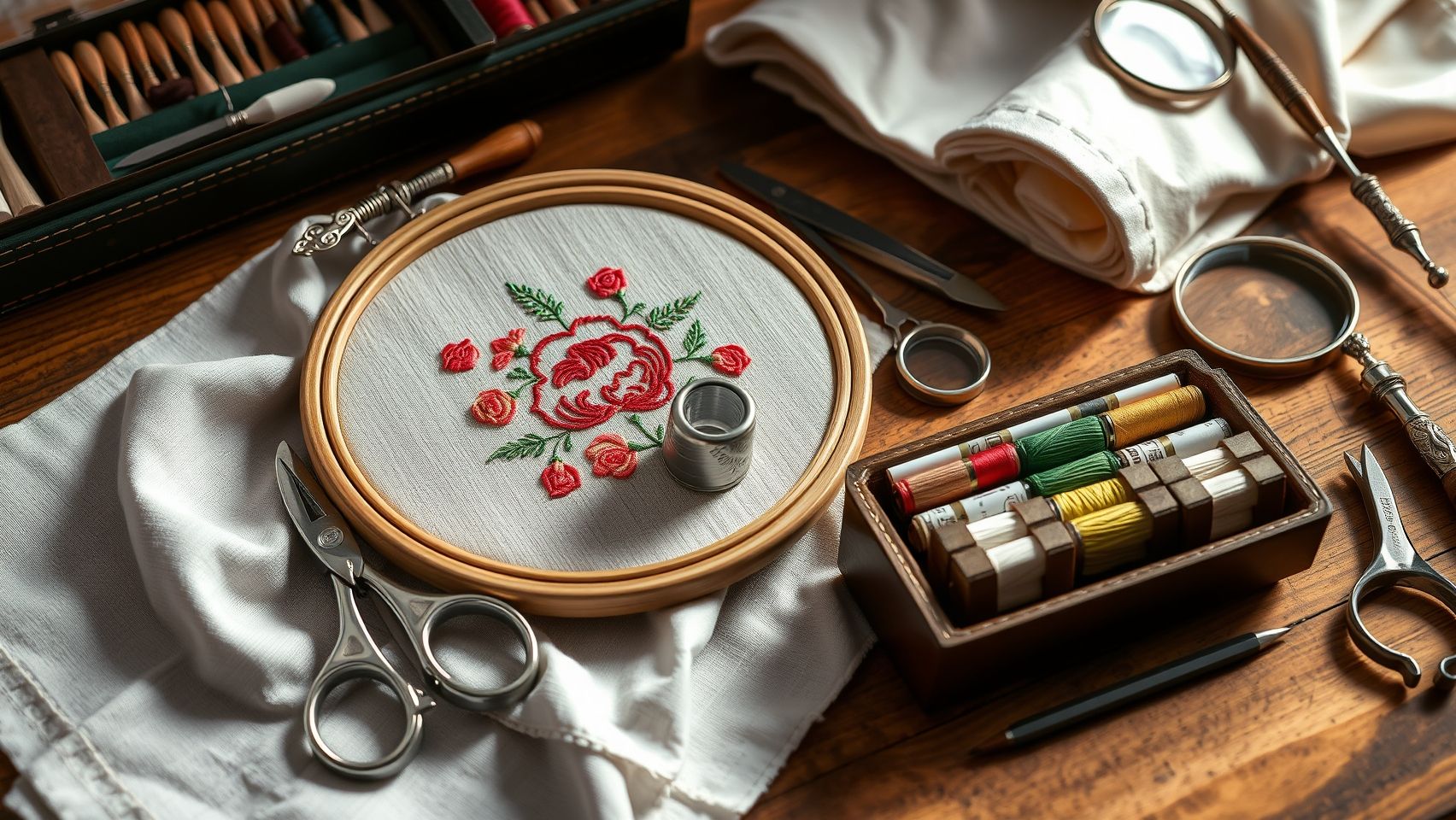
Maximizing the lifespan of your embroidery machine and ensuring smooth warranty claims require more than just choosing the right model. The right set of tools and proper setup techniques can significantly reduce wear and tear, prevent costly damage, and make maintenance routines efficient. Investing in quality accessories and following best practices not only safeguards your investment but also streamlines troubleshooting and repair processes.
Essential Accessories for Longevity and Warranty Support
Using high-quality bobbins, needles, and threads is foundational. Superior bobbins reduce the risk of tension issues and thread jams, while premium needles are less likely to break or cause fabric damage. Quality threads minimize lint accumulation and reduce machine stress, decreasing the need for repairs or warranty service.
A machine cover and dust guard are crucial to shield your embroidery device from dust, dirt, and accidental impacts. These covers maintain the interior cleanliness and protect delicate components, especially when the machine is idle. Regularly employing dust guards according to manufacturer instructions prolongs operational integrity.
Optimal Setup Techniques for Project and Machine Care
Selecting the appropriate hoop size and stabilizers for each project is key to preventing undue stress on the machine. Smaller hoops can cause tension issues, while improper stabilizer choices may lead to skipped stitches or fabric puckering. Carefully matching stabilizer types, tear-away, cut-away, or wash-away, to the project reduces unnecessary machine strain.
Consistent maintenance routines are vital for preserving warranty coverage. Regular cleaning and oiling remove lint buildup and prevent overheating, while keeping your software updated ensures compatibility with new features and fixes. Many manufacturers recommend specific routines, such as Janome’s guidance on using their tension testers for accurate calibration. Regularly documenting maintenance and repairs with photographs creates an audit trail that can be invaluable during warranty claims, demonstrating diligent care and timely intervention.
Additional Tools and Devices for Enhanced Protection
Investing in diagnostic tools, such as USB firmware update devices and digital tension testers, can help detect issues before they escalate. Janome offers specific tension testers for calibration, ensuring tension remains within optimal ranges, while Brother provides an optional LED light to improve thread visibility, which helps prevent damage caused by incorrect threading or tension errors.
Implementing these accessories and techniques ensures your embroidery machine remains in top condition, reduces the likelihood of warranty disputes, and facilitates quick resolutions when issues arise. Proper setup and ongoing maintenance build a reliable toolkit that protects your creative investment and extends the life of your equipment.
Cost-Benefit Analysis: Is Extended Coverage Worth It?
Deciding whether to invest in an extended warranty plan for your embroidery machine requires careful financial consideration. Understanding potential repair costs over the span of several years can help you determine if the plan offers genuine savings or if it’s an unnecessary expense. Typically, repair and maintenance costs for embroidery machines can range from $200 to $400 over three years, particularly for common issues like pattern alignment problems or electronic failures. Industry data shows that modern embroidery machines, especially mid-range models, are becoming increasingly sophisticated, which can influence repair complexity and costs.
Pricing for extended protection plans varies, but a typical plan like Janome’s costing around $250 over three years might seem expensive upfront. To assess value, compare this upfront cost with the estimated repair expenses you might incur without coverage. If repairs generally cost $300-$400, then the plan is cost-effective if at least twice within that period repairs are needed. Otherwise, paying out-of-pocket might be a better option, especially if your machine remains in good working condition.
Calculating the Break-Even Point
The break-even analysis involves comparing the total cost of the warranty with potential repair costs. For example, if a warranty costs $250 for three years, and your estimated repairs total about $300, you break even with just two repairs. If repair costs tend to be infrequent or you are adept at troubleshooting minor issues yourself, the plan may not be worth it. Conversely, if your machine is prone to electronic failures or pattern misalignments that can cost $150–$200 each, having coverage can save you money in the long run.
Real-World Examples and Additional Factors
Consider real project scenarios, if a pattern alignment issue or electronic failure occurs, repairs may cost upwards of $200 to $400. Coverage can quickly offset these expenses, especially if repairs are needed more than once in three years. Additionally, downtime costs, such as delays in completing projects or dissatisfaction from clients, add a layer of hidden expense. Extended plans can reduce these risks by ensuring prompt repairs and minimizing project disruption.
Another important factor is plan transferability; if you plan to sell or upgrade your embroidery machine, a transferable warranty can enhance the resale value or provide peace of mind during the transition. Local industry trends indicate a steady growth in embroidery machine sales, with more users seeking cost-effective solutions for repairs and maintenance. Therefore, evaluating your specific usage, repair risk, and the plan’s coverage details will help you make a data-driven decision about whether extended coverage is a worthwhile investment for your embroidery projects.
FAQs: Common Questions About Embroidery Machine Warranties
Understanding embroidery machine warranties is essential to protect your investment and ensure peace of mind. Many manufacturers offer warranties lasting from 1 to 2 years, but coverage details and procedures can vary widely. Here, we address frequent concerns to help you navigate warranty policies confidently.
How long does a typical warranty last, and what does it cover?
Most embroidery machine warranties last between 1 and 2 years, covering manufacturing defects, electrical issues, and faulty parts. Some brands may include software glitches or mechanical failures, but coverage specifics depend on the manufacturer. Regular maintenance and proper documentation can help preserve warranty validity.
Can I upgrade or extend my warranty later?
Yes, many brands offer options to purchase extended warranties or upgrade existing coverage. These extensions often require a fee and must be arranged before the initial warranty expires. Check with your manufacturer or authorized dealer for available plans to maximize your protection.
What steps should I take if my warranty claim is denied?
If your claim is rejected, first review the warranty terms to verify eligibility. Contact customer service for clarification and submit detailed documentation of the issue. If unresolved, escalate the matter through consumer protection channels or dispute resolution services for further assistance.
Does regular maintenance affect warranty validity?
Absolutely. Consistent cleaning, lubrication, and following maintenance schedules outlined in the user manual are crucial. Document all maintenance activities, as neglecting these can void warranty coverage if failures occur due to poor upkeep.
Are third-party repairs covered under warranty?
Generally, warranties do not cover repairs performed by unauthorized third parties. Using non-approved technicians can void your warranty. To ensure coverage, always have repairs conducted through authorized service centers affiliated with the manufacturer.
How do I ensure my warranty remains active after repairs?
Retain detailed records of all repairs, including invoices and diagnostic reports. Follow prescribed post-repair procedures and confirm warranty activation with your service provider. Keeping thorough documentation helps maintain your warranty rights and simplifies future claims.
Conclusion
Choosing the right embroidery machine warranty is a crucial step in safeguarding your investment and ensuring peace of mind as you bring your creative visions to life. As market trends show, warranties can vary significantly, especially between new and used machines, with some offering comprehensive coverage of up to seven years, while others may lack warranty options altogether. Understanding the details of coverage, comparing plans carefully, and documenting all maintenance and issues are essential practices that help you avoid unexpected expenses and prolong the life of your equipment.
By reviewing your machine’s warranty options today, review policies, compare plans, and set reminders for maintenance and claim deadlines, you take proactive steps toward protecting your craftsmanship and projects. Staying informed about current warranty offerings ensures that you’re prepared for any eventuality, so you can focus on creating stunning embroidery designs without concern.
Take charge now and make your embroidery journey worry-free, your future masterpieces deserve the best protection available!