Janome Memory Craft 500e vs Brother PE770: Which Embroidery Machine Delivers Better Results?
This post contains affiliate links. As an Amazon Associate, Latest Embroidery earns from qualifying
purchases, at no extra cost to you. Learn more.
How We Research
Every machine, thread, and accessory we cover is researched in depth, not reprinted from a spec sheet. Here is what goes into a Latest Embroidery review:
- Specs, cross-checked. We verify manufacturer specifications against multiple retailers and official manuals, so the numbers you read are accurate and current.
- What owners actually report. We read through verified buyer reviews, warranty complaints, and community threads to surface the real-world issues, threading, hooping, bobbin changes, noise, and jams, that owners run into after the first few weeks.
- Value, not hype. We weigh each pick against its closest alternatives and tell you who a product is, and isn’t, for.
- Kept current. Prices and models move fast, so every review carries a last-updated date.
- Independence. We earn affiliate commissions if you buy through our links, but that never decides our recommendation. Read our disclosure.
Compiled by the Latest Embroidery editorial team · Last updated July 2026
Are you tired of slow embroidery setups and limited design options? Discover which machine truly offers practical benefits for your projects. With the Brother PE770 and Janome Memory Craft 500e leading the conversation, understanding their key differences in embroidery capabilities, ease of use, and cost can make all the difference. Did you know the embroidery industry is projected to reach over USD 8 billion by 2034, reflecting its booming popularity? Whether you’re a hobbyist or a professional, this article provides actionable insights on setup tips, troubleshooting, and design implementation for both models. Curious about which machine fits your needs best? Keep reading to explore their features, real-world performance, and how to choose the perfect fit for your creative journey.
What the Data Reveals About Embroidery Needs and Machine Features
Short on time? If you only take one thing from this guide: Brother SE700 — the machine we point most beginners to — touchscreen, wireless transfer, and it sews as well as embroiders.
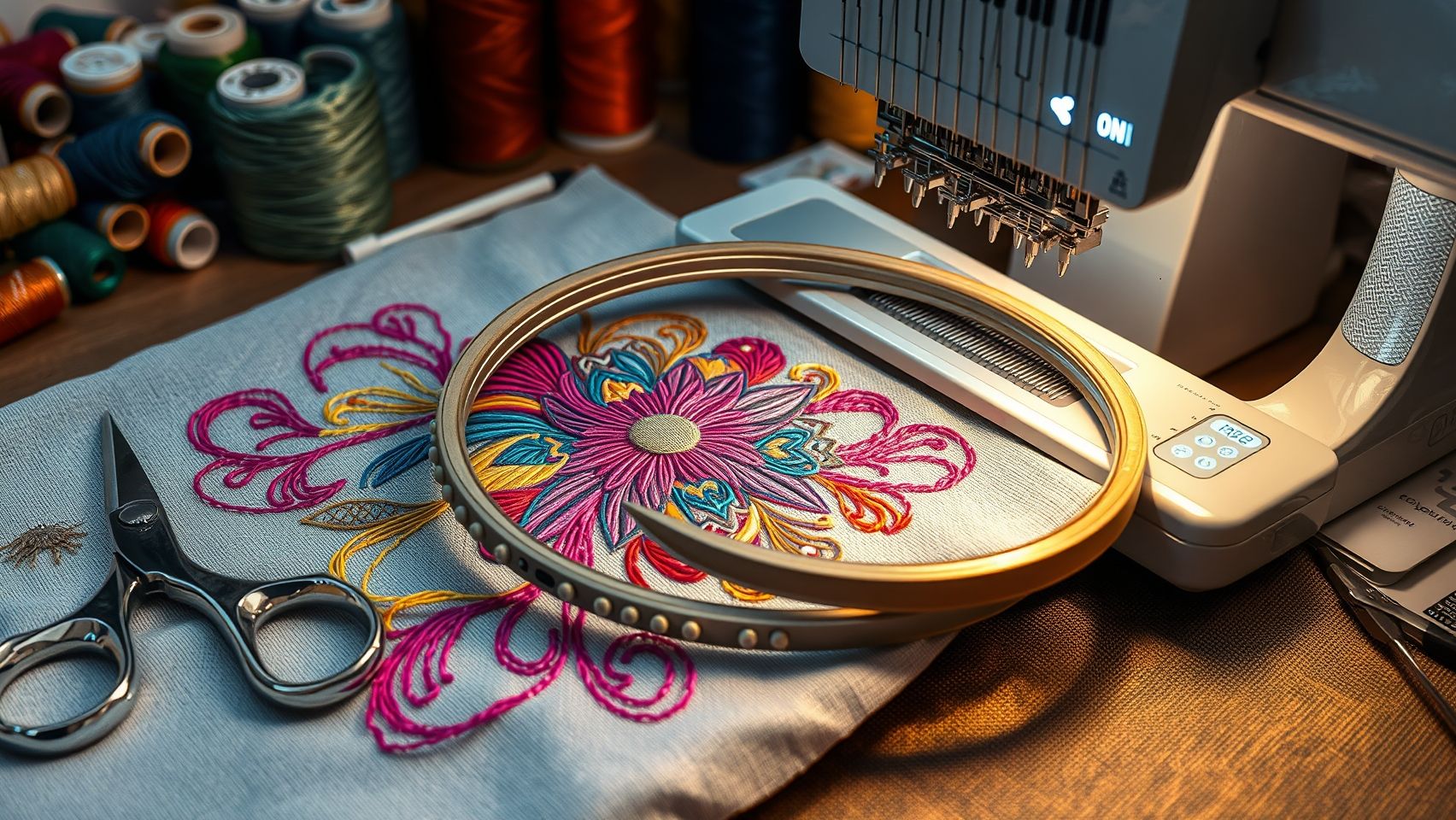
The embroidery industry continues to evolve rapidly, with current market statistics highlighting a significant shift toward digital tools and automation. Recent data indicates that a majority of embroiderers favor machines equipped with at least 200 built-in designs, which accommodate diverse creative needs across industries such as fashion, home décor, and promotional products. Additionally, features like automatic thread cutting have become essential, boosting efficiency and reducing manual effort in production workflows.
Advancements in embroidery software and machine technology are playing a pivotal role in this industry transformation. The integration of user-friendly digitizing platforms like Brother’s BES 4 Dream Edition and Janome’s ArtLink software enables both beginners and advanced users to create and customize designs with ease, fostering a more inclusive crafting environment. Moreover, the popularity of digital embroidery tools facilitates more precise, complex projects and supports customization trends that are becoming increasingly sought after by consumers.
Key Trends and Challenges
Data reveals a growing preference for reliable machine features such as precise tension calibration, high-quality threading options, and powerful software capabilities. These elements are critical for minimizing common issues like thread shredding, which can significantly impact craftsmanship and productivity. For example, proper tension adjustment and using premium threads like Sulky or Madeira are recommended solutions supported by current research.
Price points for machines vary considerably, influencing buyers’ value assessments. The Janome Memory Craft 500e, priced around $2, 999, offers high-speed embroidery at 5, 000 stitches per minute, ideal for advanced users needing extensive design options. In contrast, the Brother PE770, costing approximately $799, appeals to hobbyists and beginners with 136 built-in designs and a user-friendly five-inch color touchscreen. This disparity emphasizes the importance of considering both budget and skill level when selecting equipment.
Summary of Actionable Insights
Current research demonstrates that successful embroidery businesses and enthusiasts prioritize multi-functionality, design capacity, and software support. Troubleshooting steps, such as tension checks and high-quality thread use, are critical for maintaining machine performance. Staying informed about technological updates and market trends, such as the rise in automated, computer-controlled embroidery, is vital for making informed purchasing decisions and staying competitive in this thriving industry.
Step-by-Step: Setting Up Your Embroidery Machine for Smooth Projects
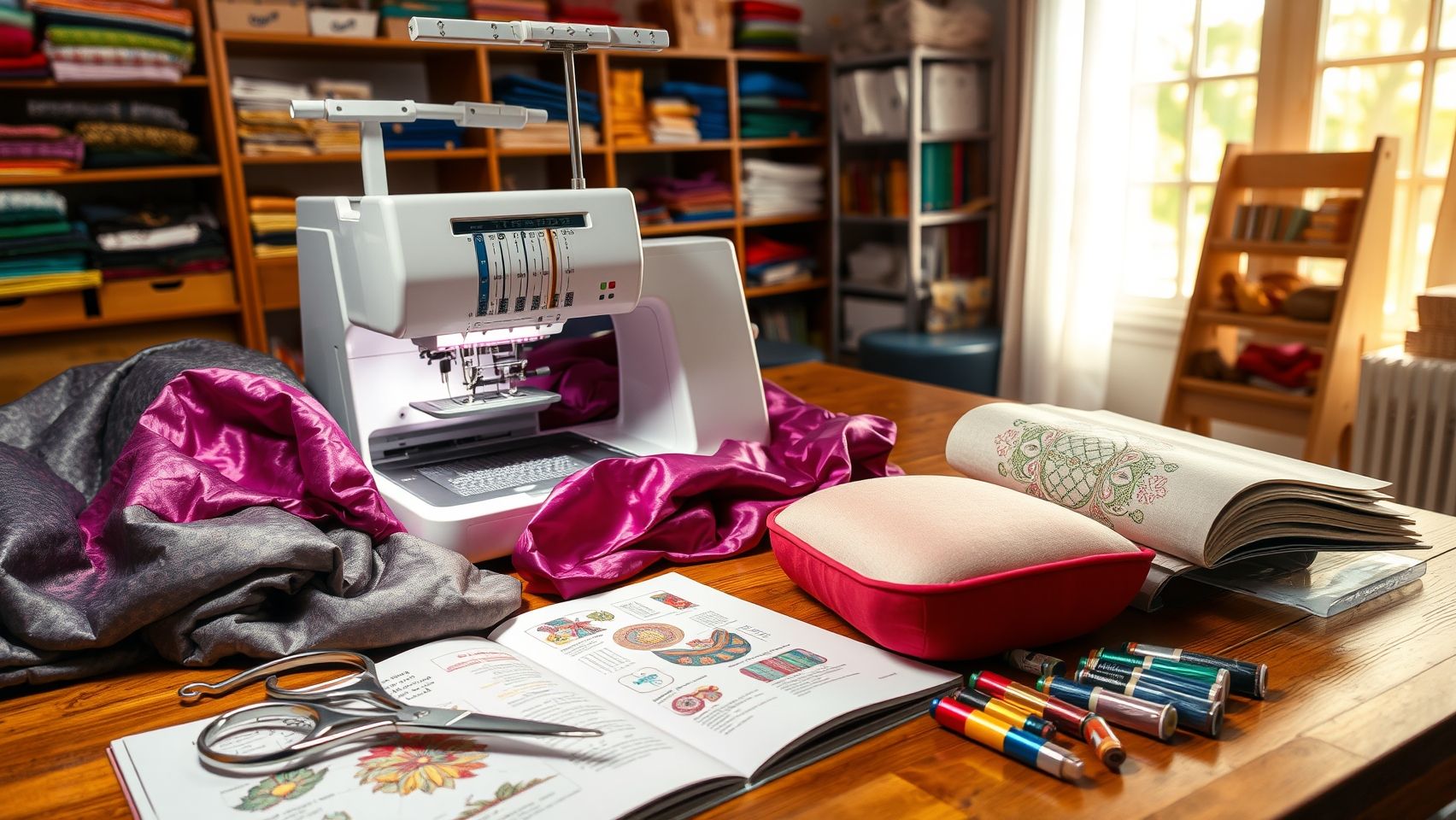
Achieving professional-quality embroidery results requires proper setup and calibration of your machine. Whether you are using the Janome Memory Craft 500e or the Brother PE770, following a structured setup process ensures your projects run smoothly and with high precision. This guide provides actionable steps to optimize your machine’s performance and reduce troubleshooting time, allowing you to focus on creative design.
Choosing the Correct Hoop Size and Stabilizer
Start by selecting an appropriate hoop size based on your design complexity. For most projects, a 5×7 inch hoop offers versatility, but larger or smaller hoops may be ideal for specific motifs. Attach the stabilizer, such as tear-away or cut-away, ensuring it aligns well with the fabric. Taut fabric in the hoop prevents puckering and shifting during embroidery, resulting in cleaner, more accurate stitches.
Proper Threading and Tension Calibration
Next, carefully thread your machine following the manufacturer’s instructions. Begin from the spool and follow the threading guide meticulously, paying attention to the tension discs. For the Janome MC500e, it’s crucial to calibrate tension using test stitches on scrap fabric, adjusting until threads lay flat without shredding. Similarly, for the Brother PE770, use the LCD screen to select test patterns and tweak tension if you experience thread shredding or looping during initial test runs.
Loading Designs and Performing a Test Stitch
Load your embroidery designs via the machine’s USB port or compatible software, ensuring files are in accepted formats such as .DST or .PES. Preview designs on the LCD screen to verify size and placement. Before starting your final project, run a test stitch on scrap fabric to confirm that tension, thread, and design settings produce clean results. This practice minimizes errors during the actual embroidery process and ensures high-quality output.
Routine calibration, correct hooping, and using high-quality threads are essential for professional results. Regularly maintaining your machine and performing these setup steps will help you achieve seamless, beautiful embroidery projects every time.
Tools, Software, and Accessories to Maximize Embroidery Quality
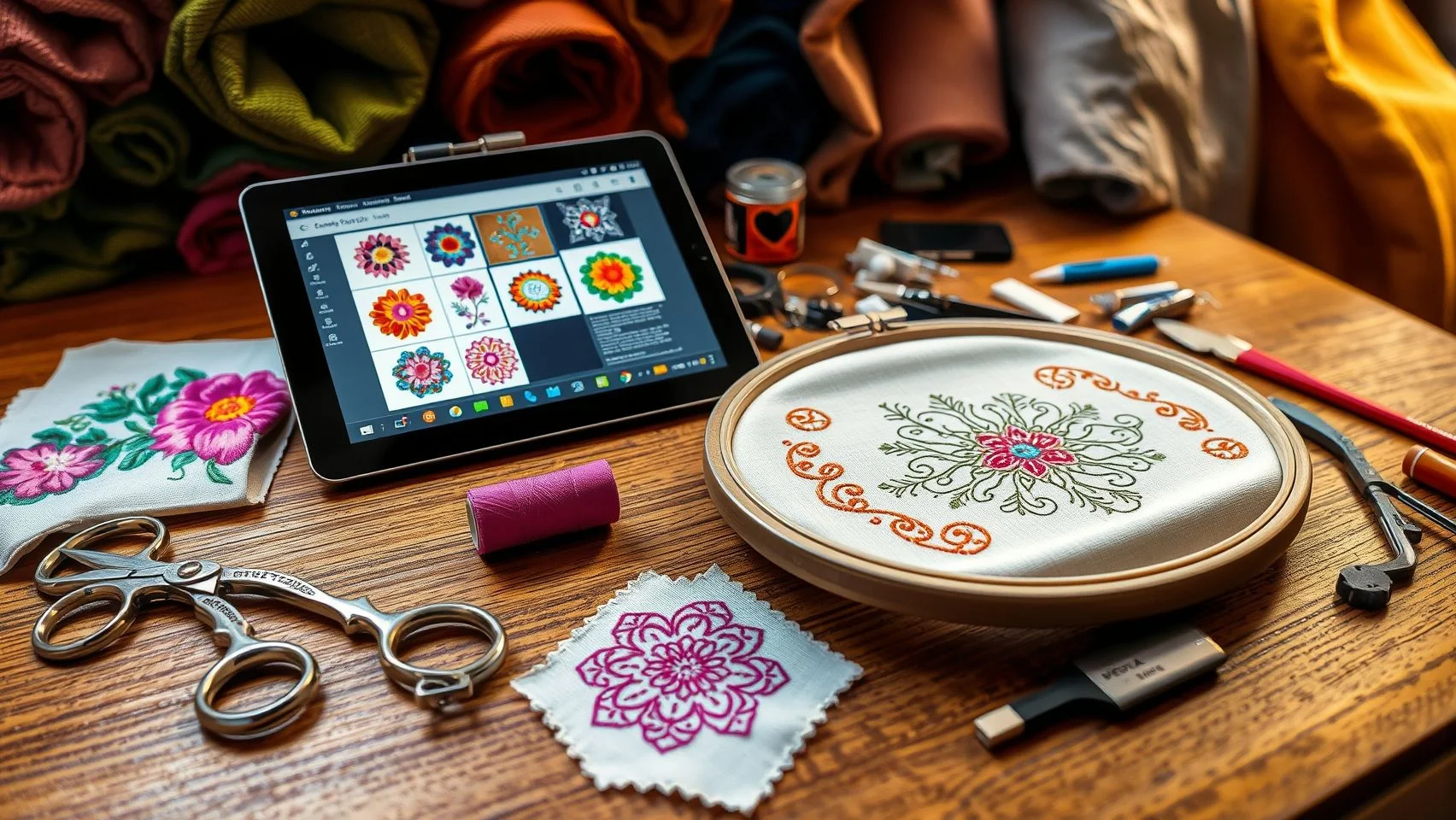
Successfully achieving high-quality embroidery results requires using the right tools, software, and accessories. These elements not only enhance the appearance of your projects but also improve efficiency and reliability. Investing in premium supplies and understanding their specific uses can greatly impact the final product’s vibrancy and durability.
In this section, we’ll explore essential recommendations to elevate your embroidery experience, from choosing the best threads to selecting suitable stabilizers, hoops, and software solutions.
High-Quality Embroidery Threads
Using top-grade threads is crucial to prevent shredding and ensure vivid colors. Consider trusted brands like Sulky Threadworks, Madeira, and Superior Threads. These threads are known for their consistency, colorfastness, and smoothness, making them perfect for dense, detailed designs and delicate fabric work alike. Superior quality threads reduce thread breakage and enhance the overall precision of your embroidery projects. For optimal results, always match your thread type to the fabric and design complexity.
Stabilizers
Stabilizers provide foundational support for embroidery designs and prevent puckering or distortion. The best choice depends on your fabric and design density:
- Tear-away stabilizers are ideal for lightweight fabrics and designs that do not require extensive stability.
- Cut-away stabilizers offer superior support for dense, multi-color designs on heavier fabrics.
- Wash-away stabilizers are perfect for delicate fabrics where removing residue is essential post-stitched.
Hoops
Flexible and accurate hooping is vital for high-quality embroidery. Available sizes like 5×7 inch and 6×10 inch enable you to work on various design scales. For larger projects, consider expanding your options with additional hoop attachments compatible with your machine, such as Brother’s optional hoops or Janome’s hoop systems. Ensure the fabric is taut but not overstretched to maintain stitch precision.
Design Software
Ease of customization and editing is essential for professional results. Brother’s BES 4 Dream Edition simplifies digitizing, allowing you to resize, edit, and perfect your designs with intuitive tools. Janome’s ArtLink is another excellent option, supporting advanced customization for a variety of embroidery styles. Both platforms facilitate quick adjustments, saving time and reducing errors. Regular software updates ensure compatibility with new stitch types and formats, keeping your creative options fresh.
Transferring Files & Maintenance Tools
Reliable storage options like USB drives and memory cards are indispensable for transferring large or complex design files seamlessly. Additionally, regular maintenance tools, such as new needles, tension gauges, and lint brushes, are key to maintaining smooth operation. Replace needles after every 8-10 hours of use to prevent thread breakage. Keep the bobbin area and tension disks clean to preserve stitch quality and prevent machine malfunctions.
Practical Comparison: Embroidery Capabilities and Ease of Use
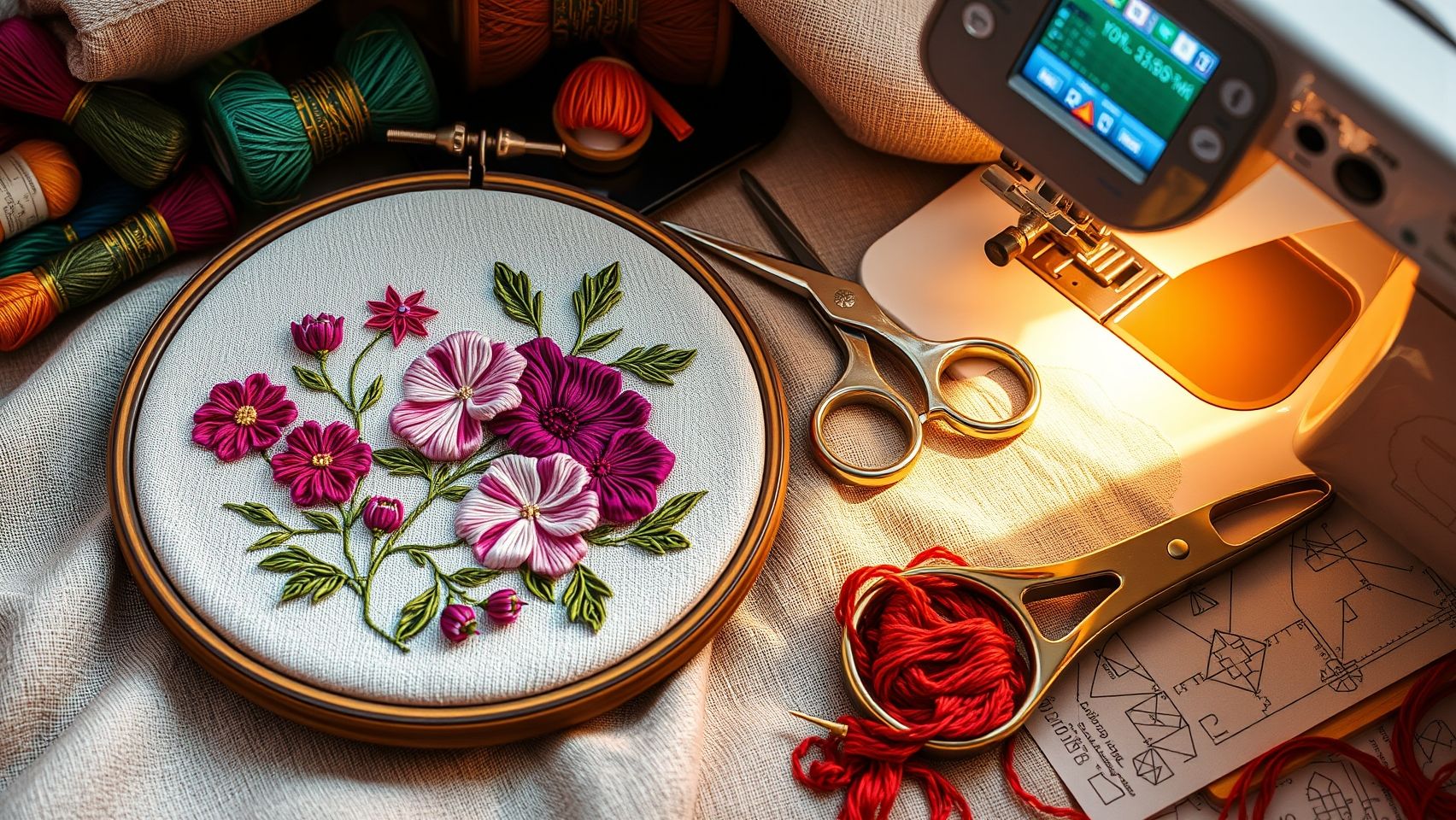
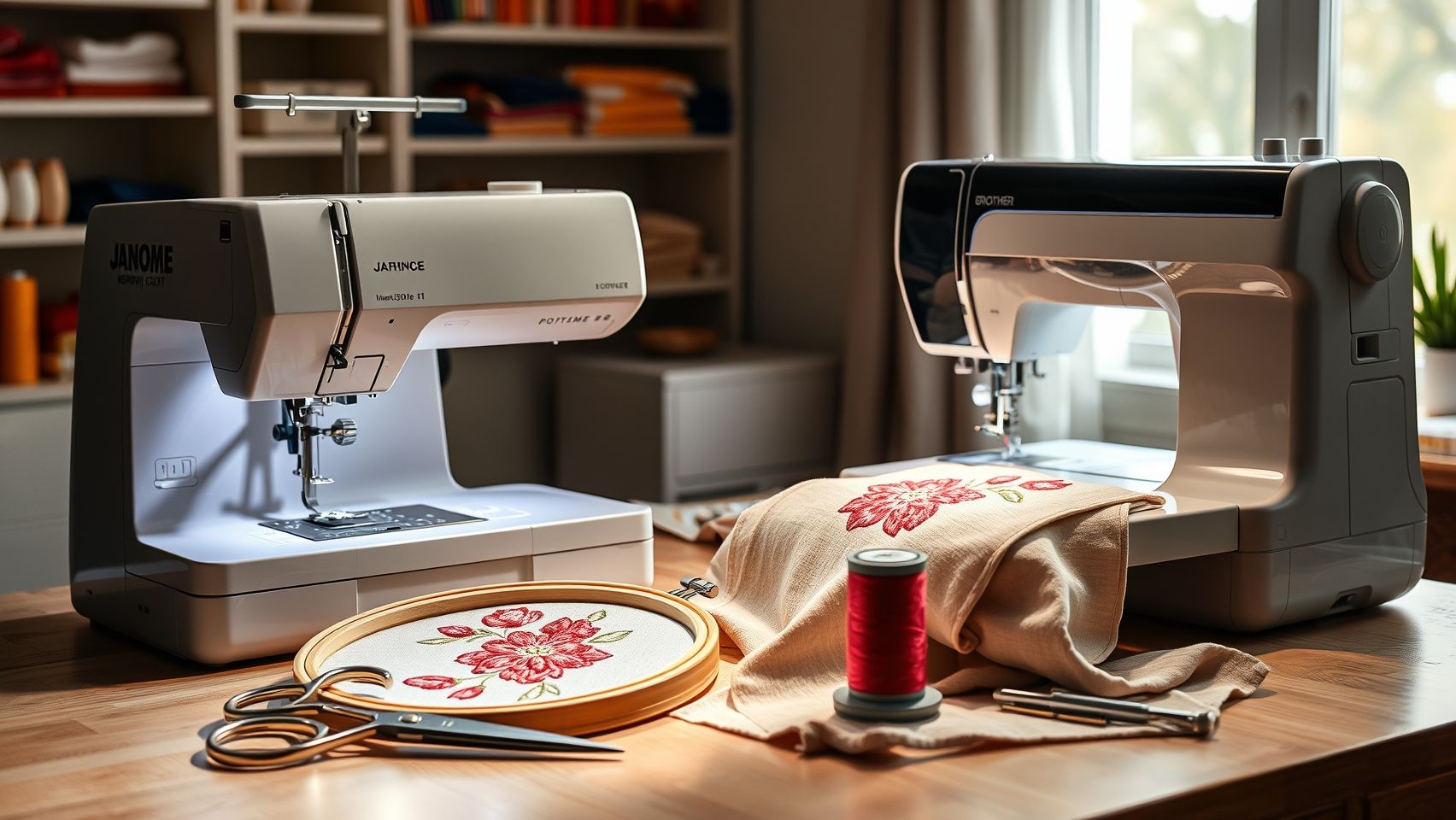
Choosing between the Janome Memory Craft 500e and Brother PE770 involves understanding their performance during real-world embroidery tasks. Both machines are designed to cater to hobbyists and professionals, but their speed, design options, and user interface can significantly influence workflow and results. Here, we compare their practical functionalities to help you determine which machine best suits your embroidery projects.
Speed and Design Efficiency
The Janome MC500e boasts a high stitch speed of 5, 000 stitches per minute, allowing for rapid completion of intricate designs. This efficiency is beneficial when working on dense, multi-color projects, as it reduces overall production time. In comparison, the Brother PE770 offers a similar stitch speed but emphasizes a more straightforward setup process. The faster stitching of the Janome can lead to higher productivity, but it may require more calibration and maintenance to achieve optimal results on complex designs.
Design Variety and Transfer
Both machines support design transfer via USB, simplifying the process of importing custom artworks. The Brother PE770’s support for external design files via USB, combined with its user-friendly touchscreen, streamlines design selection and editing, making it accessible for beginners. Conversely, Janome relies on ArtLink software for design tweaks, which offers extensive customization but may require a steeper learning curve for new users.
Cost-Performance Analysis and Clear Winner Recommendation
Choosing between the Janome Memory Craft 500e and Brother PE770 involves assessing their value based on features, cost, ease of use, and project outcomes. Both machines cater to different user needs and budgets, making it essential to analyze their strengths and limitations for informed decision-making.
Janome MC500e: High-End Features for Professional Results
The Janome MC500e is a dedicated embroidery machine designed for serious enthusiasts and professionals. Priced around $2, 999, it boasts a maximum embroidery size of 7.9\u201d x 11\u201d, with 160 built-in designs and multiple embroidery hoops. Its advanced features, including faster embroidery speed, higher resolution, and greater customization options, justify its higher price. The machine’s software requires a learning curve, but it offers unparalleled control over intricate designs, making it ideal for high-volume or complex projects.
Recent updates have enhanced compatibility and resolution, ensuring consistent performance in demanding environments. For users prioritizing productivity and quality, the investment in Janome’s high-end features delivers significant long-term value, especially when handling large or professional projects.
Brother PE770: Affordable and User-Friendly for Hobbyists
The Brother PE770, costing approximately $799, is tailored for beginners and hobbyists. Its user-friendly interface, including a large color touchscreen, simplifies setup and project customization. With 136 built-in designs and 10 fonts, it covers most casual embroidery needs. Its straightforward controls and reliable performance make it accessible for those new to machine embroidery or with smaller workload requirements.
While it lacks some of the advanced features of Janome, the PE770 excels in ease of use and affordability. Its software support and compatibility with various design formats allow hobbyists to create personalized items efficiently, making it a practical choice for small-scale projects or occasional use.
Performance vs Price and Practical Recommendations
In conclusion, for serious embroidery professionals and high-volume projects, the Janome MC500e offers unmatched features that justify its higher investment. Conversely, the Brother PE770’s affordability and simplicity make it the ideal starting point for hobbyists and casual users. Evaluating your project scope and budget will help determine the best fit for your embroidery ambitions.
Conclusion
Choosing between the Janome Memory Craft 500e and the Brother PE770 depends on your specific embroidery goals, skill level, and budget. Both machines have their unique strengths: Janome’s advanced features, speed, and suitability for high-volume projects make it a top choice for professionals, while Brother’s user-friendly interface, affordability, and reliability provide excellent value for beginners and casual quilters.
Assess your project requirements carefully, and try out both machines if possible to see which feels right for your workflow. Leverage recommended setup and troubleshooting techniques to maximize your success, and don’t forget to explore local craft stores or online reviews for real user experiences and detailed demos. This research can empower you to make a confident, informed decision tailored to your needs.
Remember, your perfect embroidery machine is the one that aligns best with your goals and budget. Take action today, and watch your embroidery projects thrive with the right tool in hand!