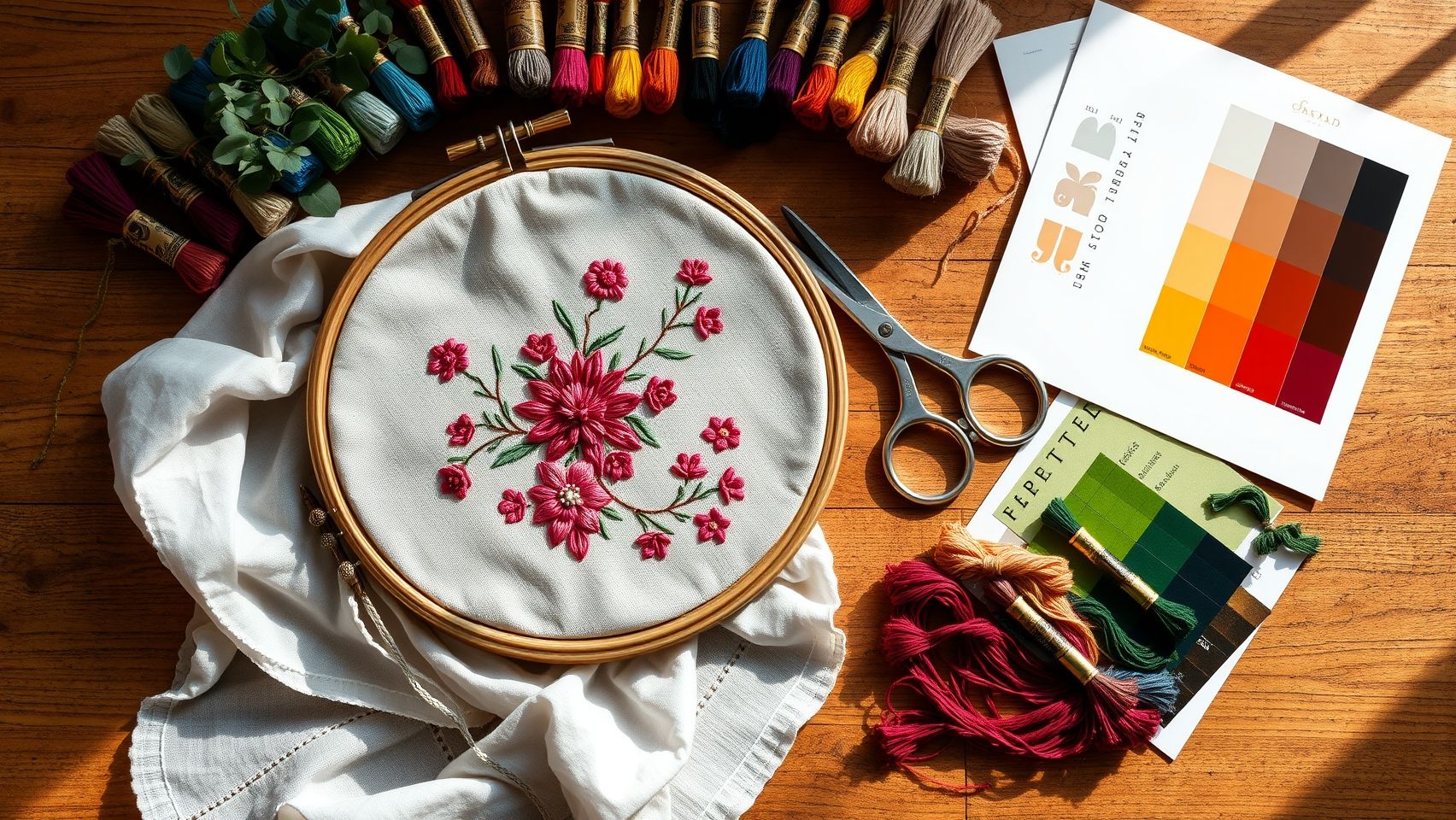
How to Match Embroidery Thread Colors for Perfect Projects
This post contains affiliate links. As an Amazon Associate, Latest Embroidery earns from qualifying
purchases, at no extra cost to you. Learn more.
Imagine achieving flawless embroidery colors every time without guesswork. Frustrated by threads that seem to clash rather than complement? You’re not alone. Color mismatches can turn a beautiful design into a chaos of mismatched hues, leaving crafters feeling unsure and disappointed. That’s where a solid color matching guide becomes your new best friend. It’s a practical solution to decode color theory and help you select threads that truly harmonize with your fabric and design. This article promises step-by-step methods to improve your color accuracy, turning any project into a professional-looking masterpiece. Ready to ditch the guesswork and elevate your embroidery skills? Let’s get started!
What Embroiderers Need to Know About Color Matching
Short on time? If you only take one thing from this guide: 40wt polyester thread set — the single cheapest fix for shredding and thread breaks.
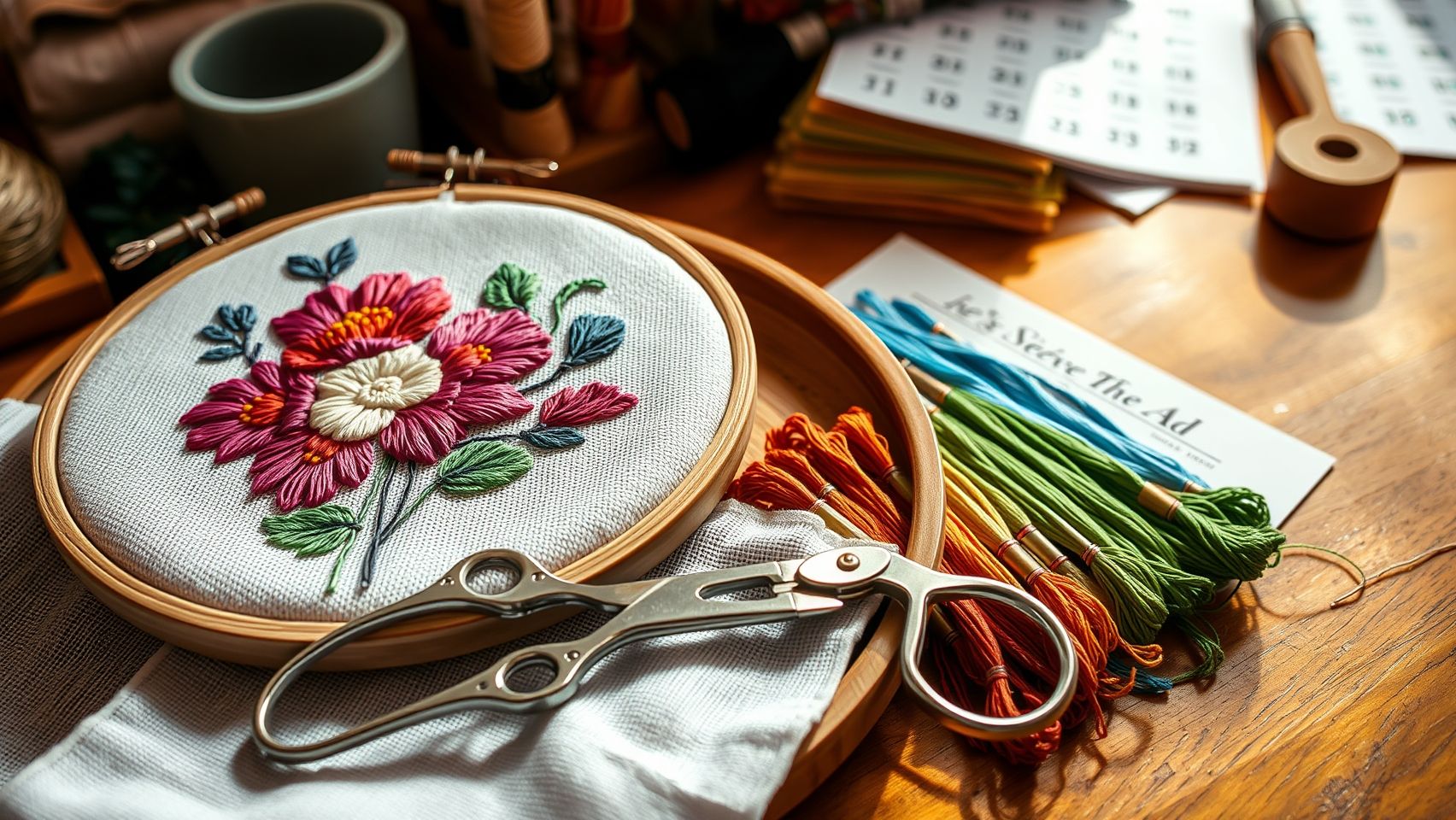
Matching embroidery thread colors accurately is essential for achieving professional-looking projects. Understanding how color theory applies can help embroiderers select the right shades and avoid common pitfalls, such as mismatched tones or inconsistent results. Reliable thread brands like DMC, Anchor, and Cosmo offer consistent color palettes, but it’s important to recognize the subtle differences between their ranges for optimal matching.
Lighting conditions significantly impact color perception. Thread samples viewed in daylight will appear more true to their actual shade compared to artificial light, which can distort color warmth or coolness. Standardizing viewing conditions, ideally using natural daylight, enables more accurate matching. Many professionals also use physical color wheels or swatch charts from embroidery suppliers, facilitating initial color selection and reducing guesswork.
Applying Color Theory and Practical Tips
Color theory fundamentals, such as understanding warming (red, yellow) and cooling (blue, green) tones, are crucial for precise matching. For instance, if a design calls for a cool shade of blue, selecting a thread that leans toward the blue (rather than a neutral or slightly greenish hue) will produce better visual harmony. Organizing threads by color families in containers helps embroiderers quickly access the right shade and maintain consistency across projects.
Standardizing Viewing Conditions and Color Selection Tools
Accurate color matching starts with controlling the viewing environment. Using natural daylight or daylight-balanced bulbs minimizes the distortions caused by artificial lighting. When possible, view thread samples side-by-side in the same lighting environment, especially when matching digital images to physical threads.
Physical tools like color wheels and swatch charts are invaluable. Many embroidery suppliers provide these tools, which assist in selecting harmonious shades and avoiding mismatched tones. These charts also help in understanding color warming and cooling, ensuring the selected thread shades complement each other perfectly within a design.
Expert Insights and Organizing Tips
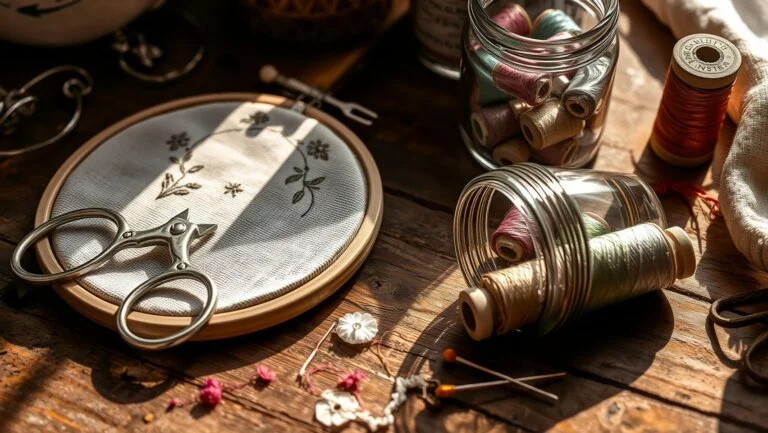
Embroidery professionals emphasize the importance of organizing threads by color families. This practice reduces decision fatigue and errors, particularly for complex projects. Many recommend using transparent containers with dividers to sort threads systematically. Such organization not only speeds up workflow but also enhances matching accuracy, ultimately leading to cleaner, more cohesive embroidery outcomes.
Step-by-Step Guide to Digital vs. Physical Thread Matching
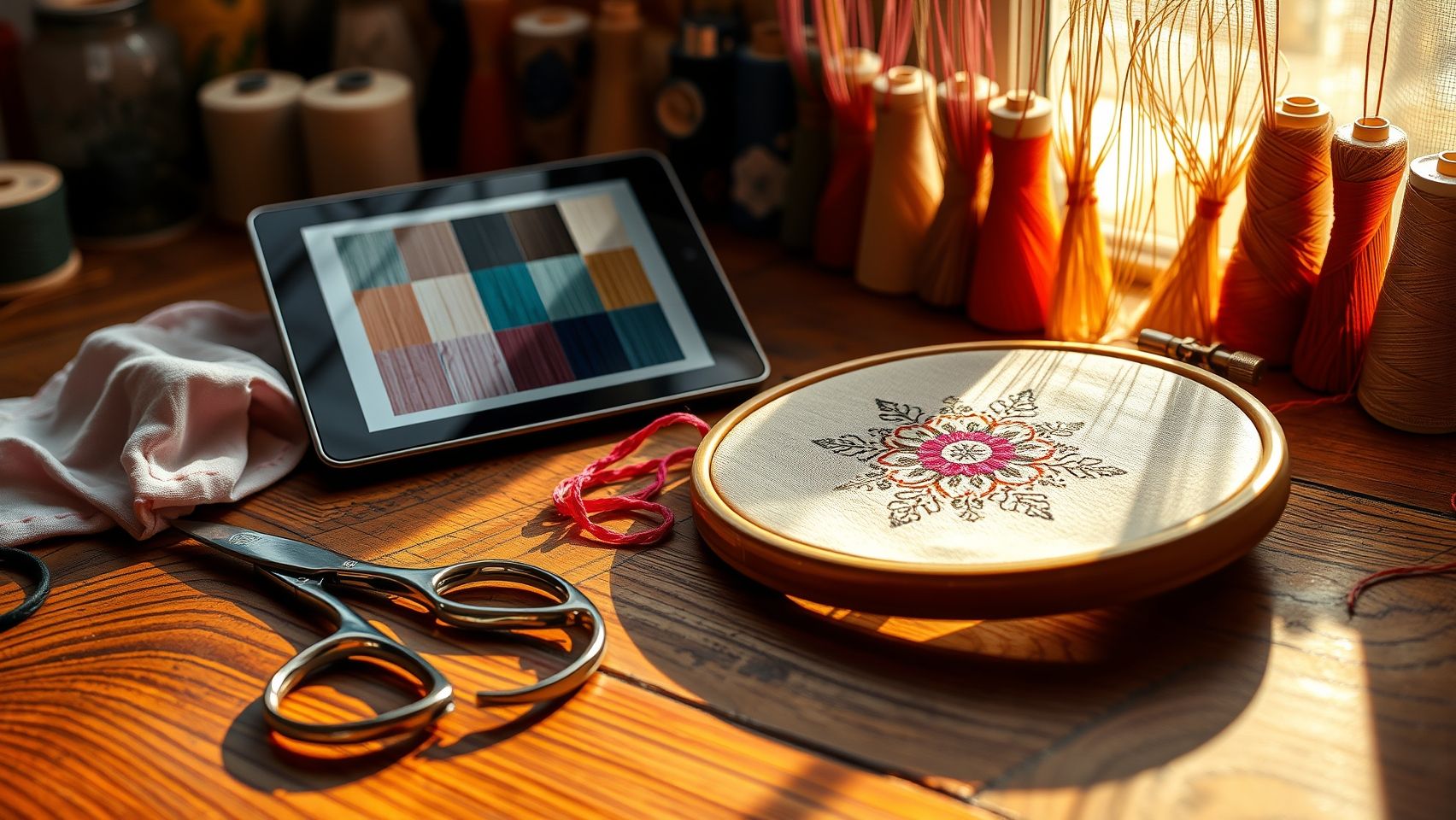
Accurately matching embroidery thread colors is essential for creating cohesive and professional-looking projects. Whether you’re working with digital tools or physical swatches, understanding the proper procedures ensures your color choices are precise and consistent. This guide walks you through the setup, comparison techniques, and verification methods for both digital and physical color matching to achieve perfect embroidery results.
Using Digital Tools for Color Matching
Start by photographing your embroidery project in natural light to ensure accurate color capture. Using a high-quality camera, avoid harsh shadows or artificial lighting, which can distort colors. Once you have a clear image, import it into color matching software such as Adobe Photoshop, CorelDRAW, or embroidery-specific apps. These programs allow you to create a digital palette by extracting and analyzing the predominant hues.
Advanced software like Adobe Color helps generate matching color schemes, while embroidery apps often feature dedicated modules for thread shade identification. Create a palette that corresponds to your physical thread options, making it easier to select the closest match. Using these digital palettes offers a quick and efficient way to plan color schemes before starting your project.
Matching Physical Thread Swatches with Digital Variants
Compare digital color swatches with physical thread samples under consistent lighting conditions, ideally daylight or a dedicated light box. Lay the physical threads next to corresponding digital swatches on your screen, ensuring your monitor is color-calibrated for accuracy. Pay attention to subtle differences, especially in shades close in hue but varying slightly in saturation or brightness.
Devices like the Nix Spectra or Color Muse facilitate real-time physical-to-digital color matching. Simply scan or photograph your physical thread with these handheld devices, which instantly generate digital color codes that can be directly compared with your digital palette. This minimizes guesswork and helps confirm that your physical threads match your digital selections precisely.
Verification and Final Checks
Before committing to large stitching projects, stitch small test swatches using the selected thread colors. This practical step confirms the digital and physical matches in real embroidery conditions, accounting for fabric type and lighting. Adjust your choices if necessary, based on how the colors appear once stitched.
Maintaining a color reference chart for frequently used threads is a valuable habit. Digitize this chart by scanning your physical samples or inputting their digital codes, creating an accessible resource that speeds up future projects. Continually updating this reference ensures your color matching stays consistent and reliable, streamlining your embroidery workflow and enhancing project quality.
Tools & Equipment for Accurate Thread Color Matching
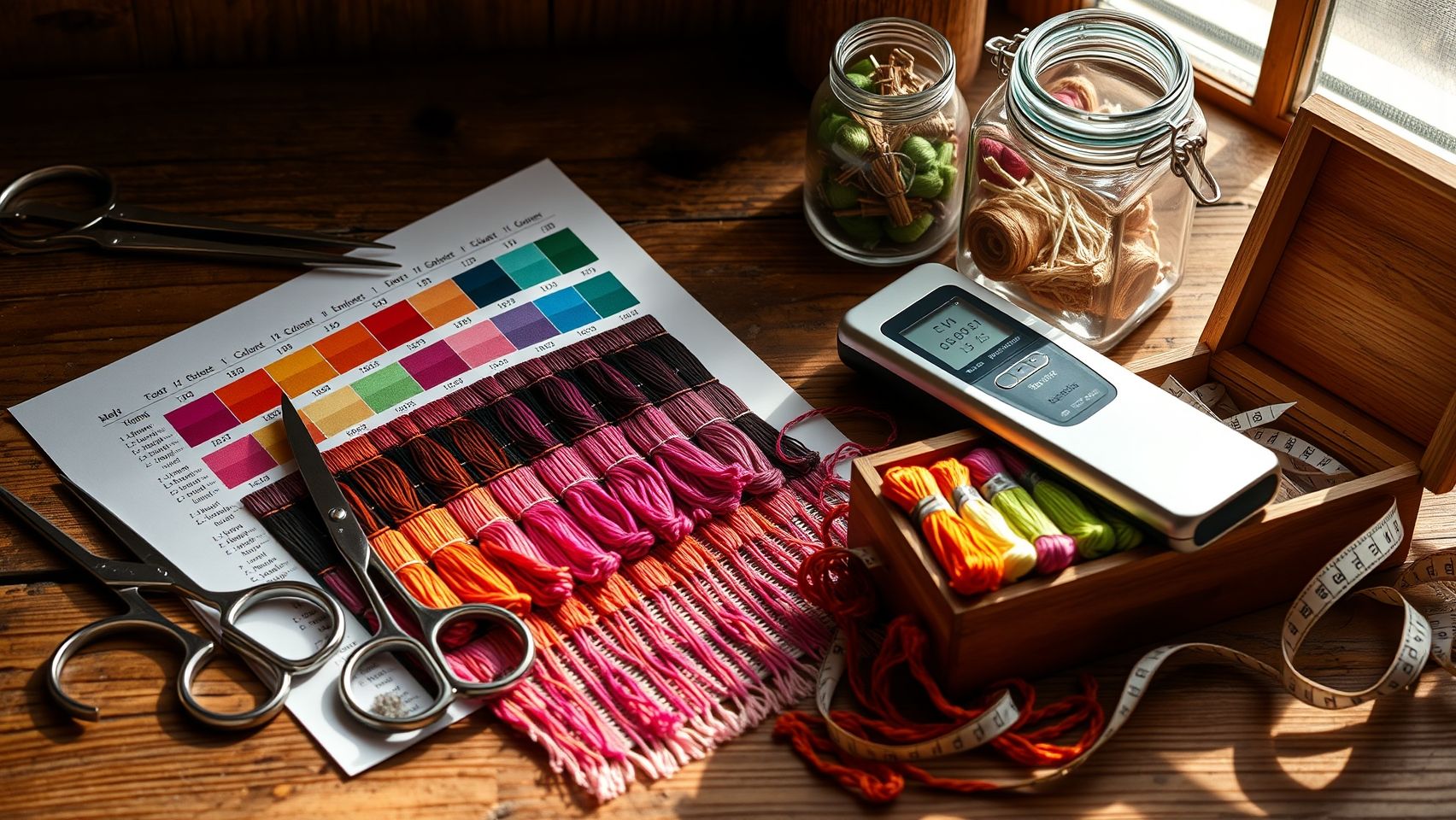
Achieving precise embroidery thread color matching is essential for professional-looking projects. The right tools and equipment help embroiderers ensure consistency, reduce guesswork, and speed up the process. Investing in quality supplies and establishing an optimal setup can significantly enhance your embroidery accuracy and overall results.
High-Quality Embroidery Thread Brands
Using reputable brands like DMC, Anchor, and Cosmo guarantees access to consistent, high-quality color catalogs. These brands provide detailed color charts and long-lasting threads that maintain their hue over time, making it easier to match and reproduce colors accurately across different projects.
Color Swatch Books and Physical Color Charts
Physical color charts and swatch books from thread manufacturers serve as reliable references, especially when working offline. They allow embroiderers to compare thread colors directly under natural or consistent lighting, avoiding digital discrepancies. Keeping these charts organized by brand ensures quick access during projects.
Portable Color Readers
Devices such as Nix Spectra and Color Muse enable instant physical-to-digital color matching. Priced around $100-$150, these portable tools scan physical threads or fabrics and provide precise digital color codes, greatly improving matching accuracy in real-time and reducing color mismatch risk.
Lighting Setups
Consistent viewing conditions are vital, so good lighting setups are a must. Daylight-balanced LED lamps, approximately $50 each, mimic natural daylight, reducing color perception errors. Lightboxes with controlled lighting conditions further ensure color visibility remains constant regardless of external lighting changes.
Color Management Software and Apps
Specialized software and mobile apps designed for embroidery help in planning color palettes, matching threads, and visualizing color schemes digitally. These tools streamline pre-embroidery planning and ensure color consistency across multiple projects, saving time and minimizing errors.
Organized Thread Storage
Efficient storage solutions like color-coded bobbins, thread racks, or color wheel systems facilitate quick reference and retrieval. Organized storage not only speeds up workflow but also helps maintain color integrity by preventing accidental mixing or fading of threads over time.
Organizing Your Threads for Faster Color Matching
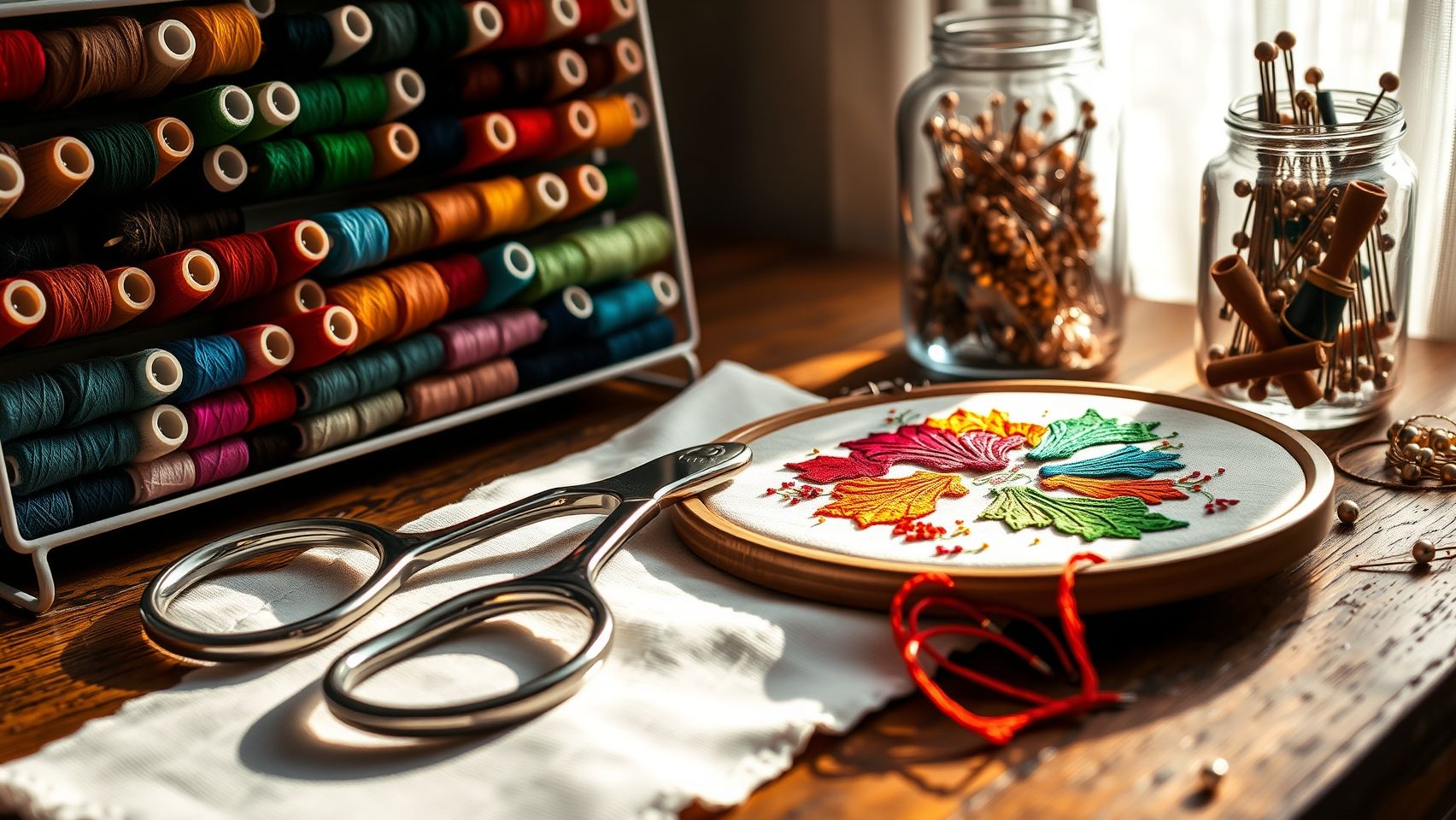
Efficient organization of embroidery threads can significantly streamline your color matching process, saving you valuable time and reducing errors. Implementing a practical system ensures that you can quickly identify and access the exact shades you need, especially during complex projects.
By adopting step-by-step storage techniques, you can create a clutter-free workspace that enhances creativity and productivity. Consistent upkeep of your system further ensures quick retrieval and accurate color selection every time.
Using Color-Coded Bobbins or Spools
One effective strategy is to use color-coded bobbins or spools, arranged on racks by color families or shades. This visual method allows you to instantly recognize similar tones without searching through piles of threads. Sorting by brand (such as DMC or Anchor) enhances consistency, as color codes from these brands are widely recognized in embroidery communities.
Creating a Swatch Chart and Digital Database
Maintain a visible color swatch chart or catalog near your workspace to compare thread shades quickly. Additionally, benefit from a digital database or spreadsheet that includes photo references, color codes, and project notes. This combination offers a comprehensive resource, enabling rapid matching and ensuring color accuracy across various projects.
Conclusion
By mastering the basics of color theory, leveraging both digital tools like color charts and physical swatch books, and keeping your threads well-organized, you can significantly improve the accuracy and vibrancy of your embroidery projects. Consistent color matching not only elevates the quality of your work but also boosts your confidence and efficiency. Don’t wait to see the difference, start organizing your threads today with a color chart and digital tools. See instant improvement in match accuracy and bring your embroidery projects to life with stunning, true-to-color results. Take action now and turn your creative ideas into reality with perfect color harmony!
Remember, the key to exceptional embroidery lies in the details, so make color matching a priority and watch your craftsmanship flourish. Happy stitching!