How to Reduce Embroidery Machine Power Costs and Save Money
This post contains affiliate links. As an Amazon Associate, Latest Embroidery earns from qualifying
purchases, at no extra cost to you. Learn more.
Did you know that energy costs can account for a significant portion of your embroidery business expenses? According to recent industry insights, statistics show that sewing machines often consume a large chunk of energy in manufacturing setups, with some industrial machines drawing up to 650 watts. Rising operational costs and environmental concerns are pushing embroiderers to seek smarter, more efficient solutions. Many face issues like unexpectedly high power bills or machine overheating, which can hamper productivity and inflate expenses. Luckily, advancements like brushless motors now reduce energy consumption by up to 50%, promising both savings and sustainability. This article will explore practical strategies to cut power costs, optimize machine operation, and truly make your embroidery business more eco-friendly. Keep reading to discover how you can take immediate action and turn these insights into real savings:
Understanding Your Embroidery Machine’s Power Consumption
Short on time? If you only take one thing from this guide: Brother SE700 — the machine we point most beginners to — touchscreen, wireless transfer, and it sews as well as embroiders.
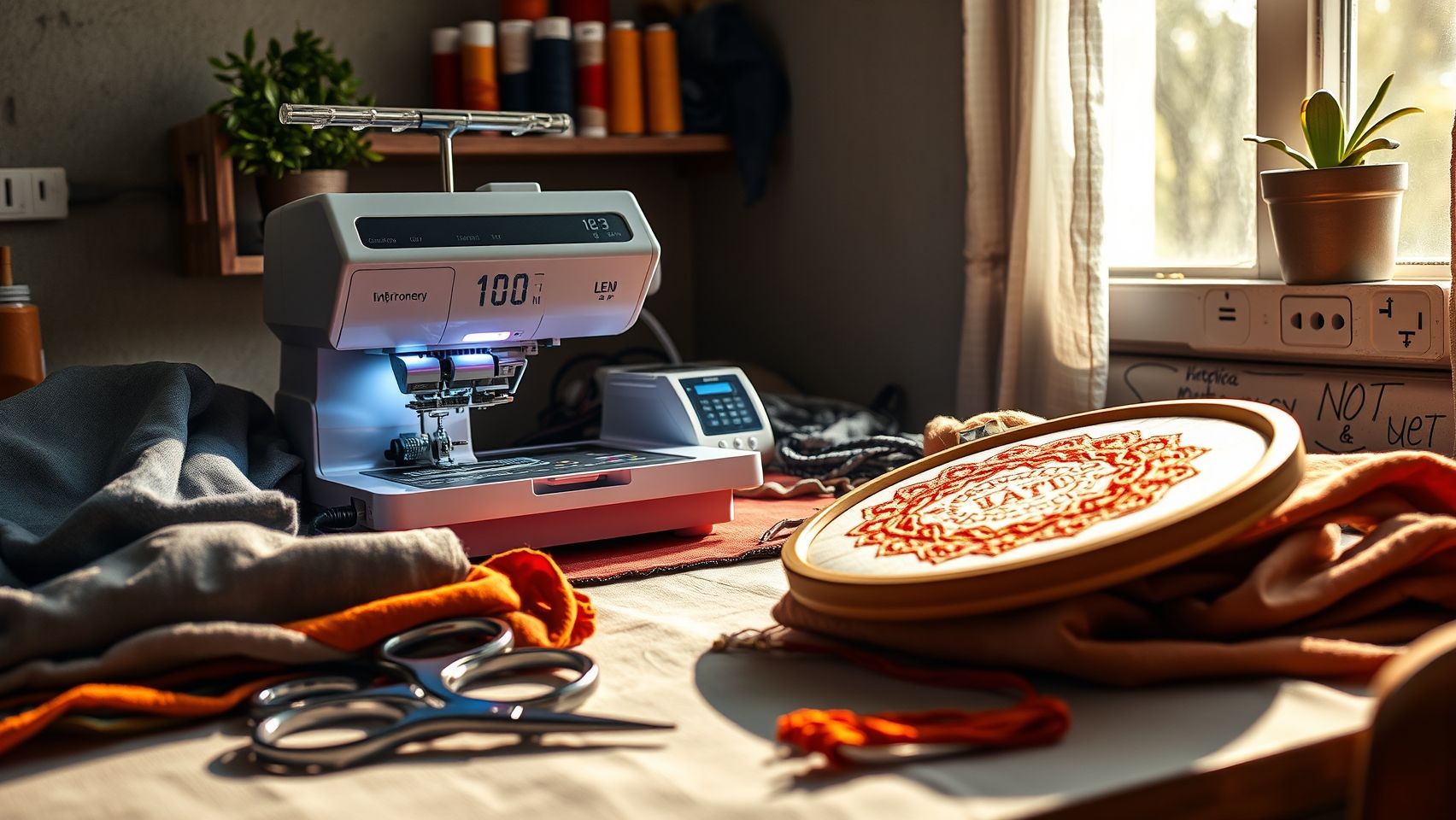
Managing the power consumption of your embroidery machine is essential for reducing energy costs and ensuring efficient operation. By understanding how much power your machine uses during typical tasks and identifying factors that contribute to higher energy usage, you can implement steps to save money and prolong your equipment’s lifespan.
Different models have varying power demands, and knowing how to read their specifications can help you make informed decisions. Common embroidery machines like the Brother PE770 and Bernina 790 typically operate within a wattage range of 70-100 watts, but actual consumption can differ based on usage and features. Using a power meter to measure real-time energy use provides a clearer picture of your machine’s efficiency in practice.
Review of Common Embroidery Machine Models and Their Rated Wattage
Models such as the Brother PE770 and Bernina 790 are popular choices among hobbyists and professionals. According to current specifications, these machines generally have a rated wattage between 70 and 100 watts during operation. This range indicates they are relatively energy-efficient, especially when compared to older or more industrial models that may consume over 150 watts.
Recent updates to embroidery machines include features like automatic shutoff and variable speed controls, which significantly impact energy consumption. Machines with automatic power-down features save energy when idle by turning off or reducing power, while variable speed controls allow users to adjust the power usage based on task requirements, preventing unnecessary energy waste.
How to Measure Actual Power Usage
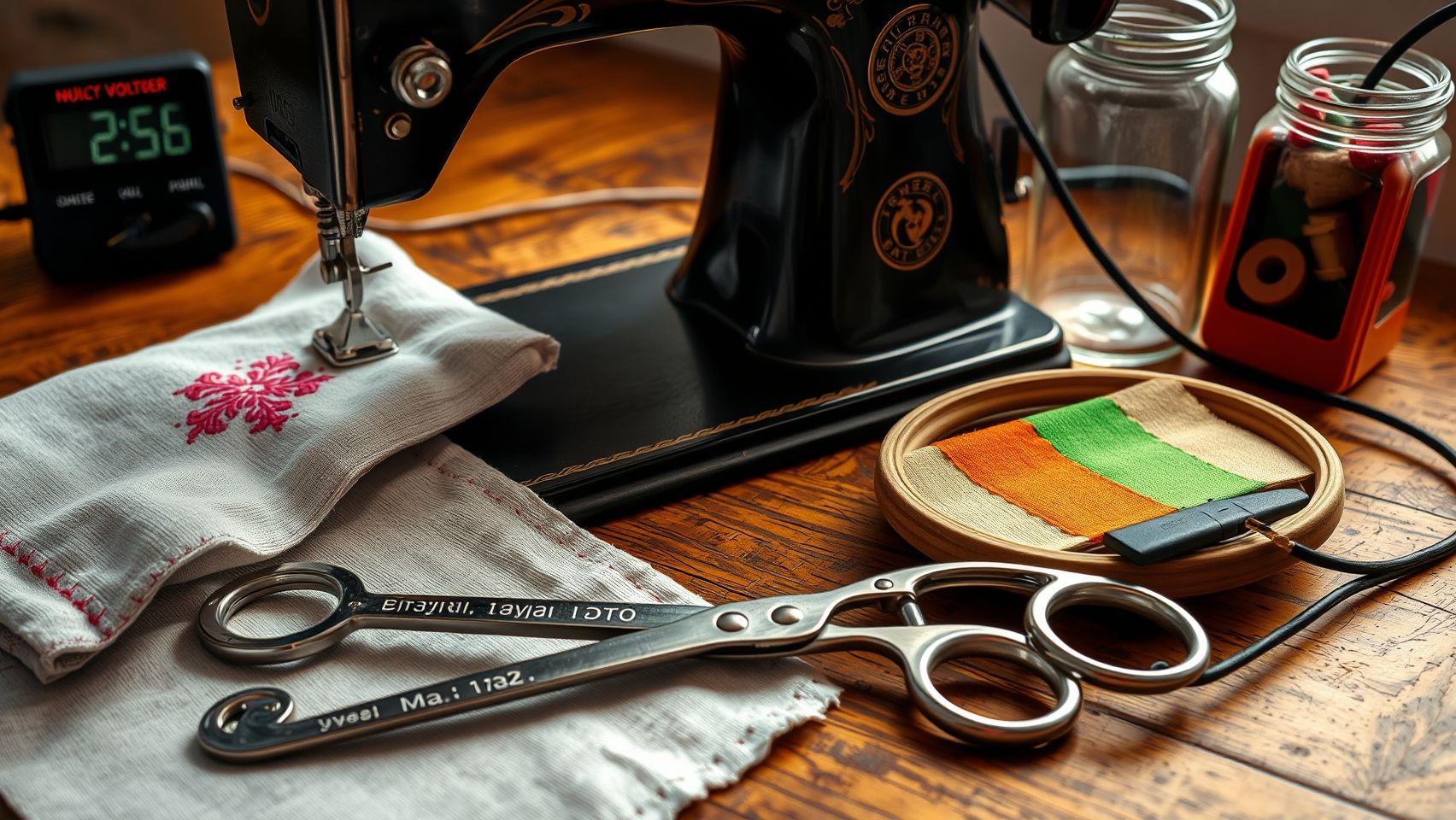
Employing a power meter, such as the Kill-A-Watt device, is an effective way to track your embroidery machine’s real energy consumption. During typical tasks, whether embroidery, quilting, or bobbin winding, measure the wattage used to identify peak and average power draw. This data can reveal differences between models and highlight areas where efficiency can be improved.
For example, if your machine consumes significantly more power during high-speed embroidery or heavy-duty projects, you might consider optimizing operation times or upgrading to models with better energy management features.
How Climate and Operation Times Affect Energy Usage
Environmental factors like room temperature and humidity can influence your embroidery machine’s efficiency. Cooler, well-ventilated spaces may help reduce strain on motors and electronics, decreasing overall power consumption. Additionally, longer operation times naturally lead to higher energy costs, so batching projects or scheduling operations during off-peak electricity hours can offer savings.
Inconsistent power supply and power surges also pose issues. Using surge protectors not only shields your equipment from damaging spikes but can also stabilize power flow, preventing unnecessary energy spikes that increase costs. Proper maintenance and monitoring of your machine’s power usage promote efficient and cost-effective embroidery work.
Step-by-Step: Setting Up Power Efficiency for Your Embroidery Projects
Maximizing productivity while minimizing energy costs is essential for both home and commercial embroidery setups. Advances in embroidery machine technology and software have created opportunities to significantly reduce power consumption without compromising quality. This section offers actionable, step-by-step instructions to help you configure your equipment and workspace for optimal energy efficiency.
Selecting Energy-Efficient Machines and Software
Start by choosing machines that are specifically designed to consume less power. Modern models like the Bernina 830 or Janome Memory Craft series feature low power consumption modes and energy-saving functionalities. Industry statistics highlight that newer embroidery machines incorporate brushless motors and high-frequency switching power supplies (SMPS), which dramatically improve energy efficiency (source: https://www.anysew.com/blog/the-future-of-embroidery-machines-in-the-textile-industry). Additionally, leveraging advanced embroidery software, such as Hatch Embroidery or PE Design, enables you to digitally plan and optimize stitch paths, reducing unnecessary embroidery time and overall power use.
Configure Machine Settings for Energy Efficiency
Adjust your embroidery machine’s settings to operate at optimal but energy-conscious configurations. Setting speeds to around 600-800 stitches per minute, especially during intricate or detailed designs, can lower power draw, as personal accounts demonstrate. Also, disable non-essential functions like the thread cutter or automatic spool rotation when idle, to prevent unnecessary power drain. Using the machine’s built-in automatic shutoff feature ensures the equipment powers down after periods of inactivity, further conserving energy.
In practice, lower speeds during delicate parts of the project and activating energy-saving modes can reduce overall power consumption by up to 30%, according to recent market reports.
Implement Workload Scheduling and Stitch Optimization
Maximize efficiency by scheduling multiple projects sequentially, reducing startup and shutdown energy costs associated with each run. Advanced software solutions like Ink/Stitch or MAGNETIC HOOP software help plan and optimize stitch paths automatically, minimizing embroidery time without sacrificing quality. Proper threading and hooping techniques not only decrease stitch errors but also speed up overall production, lessening the total machine operation time and energy use.
For example, grouping similar color designs and optimizing stitch sequences can cut embroidery time by 20-25%, directly translating into lower power expenses.
Ensure Stable Power Supply and Use Quality Surge Protectors
Protect your investment and maintain machine efficiency by installing high-quality surge protectors that safeguard against voltage fluctuations. Stable power supply reduces electrical wastage caused by power surges or interruptions, which can extend the lifespan of your equipment and optimize energy use. Additionally, investing in energy-efficient power supplies that incorporate high-frequency switching components further enhances overall power management.
Recent industry updates suggest that modern power supplies with high efficiency ratings can reduce energy loss by 10-15%, providing long-term cost savings.
By following these steps, selecting the right equipment, configuring settings, optimizing workflows, and ensuring stable power, embroiderers can significantly reduce their operational energy costs. Incorporating the latest in technology and software ensures a productive, eco-friendly workspace that delivers high-quality results with minimal energy expenditure.
Tools and Accessories to Cut Embroidery Power Costs
Reducing power consumption of embroidery machines doesn’t have to rely solely on operating habits. Equipped with the right tools and accessories, embroiderers can monitor real-time energy use, protect their equipment from power surges, and optimize workspace lighting, all contributing to significant savings. Investing in practical hardware solutions not only decreases long-term costs but also extends the lifespan of embroidery machines, ensuring reliable and efficient operation.
In this section, we explore specific products and modifications that help craft enthusiasts and professionals manage and lower their embroidery power expenses effectively. From power meters to energy-efficient lighting, these tools can make a tangible difference in your embroidery workflow.
Monitoring Power Consumption with Power Meters
Using a dedicated power meter such as the Kill-A-Watt is an effective way to track the real-time energy draw of your embroidery machine. Research reveals that many modern models operate below 80 watts during optimal conditions, which can drastically lower electricity bills when consistently monitored. Power meters enable users to identify energy-efficient machines and adjust their usage patterns accordingly. For example, an embroidery machine drawing 80 watts or less, used for several hours weekly, can reduce monthly energy costs noticeably.
By pinpointing the power consumption peaks and averages, embroiderers can make informed decisions about their equipment and workload. Power meters cost roughly between $20 and $50 but provide ongoing data that aids in selecting models with lower energy needs and avoiding inefficient practices.
Protecting and Enhancing Power Efficiency with Hardware Accessories
Investing in surge protectors equipped with EMI/RFI filtering not only shields embroidery machines from damaging power fluctuations but also optimizes their operational lifespan. These surge protectors, priced around $20-$50, prevent costly repairs and downtimes while maintaining stable power conditions.
Additionally, incorporating LED lighting into the workspace significantly reduces overall power consumption. LED embroidery sewing lights consume far less energy compared to traditional incandescent or fluorescent bulbs, while providing superior visibility and color accuracy essential for detailed embroidery work.
Choosing energy-efficient accessories such as low-power embroidery software and LED design lights complements energy-saving efforts. Some modern embroidery machines come with built-in energy-saving features like automatic stand-by modes, further reducing idle power drain. Upgrading to these models can yield long-term savings by minimizing unnecessary power usage during inactivity.
For digital workflows, employing external USB or SD card readers instead of constant computer connections helps conserve energy. This simple adjustment lowers power draw in design transfer processes, especially when working with multiple files or large designs.
Cost-Saving Strategies for Embroidery Power Management
Optimizing power consumption in embroidery machines is essential to reduce operational costs without compromising quality. Implementing effective routines and strategies can lead to significant savings, and many professionals report reductions of up to 20% in energy use when proper practices are followed. This section provides actionable steps to help you manage your embroidery machine’s energy efficiently, ensuring sustainable and cost-effective production.
Schedule Embroidery Tasks During Off-Peak Hours
One of the most straightforward ways to cut costs is by scheduling large embroidery projects during off-peak hours when energy rates are lower. Many utility providers offer time-of-use pricing, meaning electricity is cheaper during nights or weekends. Planning your production runs accordingly can lead to substantial savings over time. Additionally, consolidating projects to run in fewer, longer sessions minimizes startup and shutdown cycles, which consume additional energy and add wear to the machines.
Regular Maintenance and Optimization
Routine maintenance is paramount for ensuring your embroidery machine operates efficiently. Regularly cleaning bobbins, oiling moving parts, and inspecting for worn-out components reduce unnecessary electrical load. Studies indicate that well-maintained motors require less power to operate, directly lowering energy consumption. Keeping your machine in peak condition prevents overheating and mechanical strain, prolonging its lifespan and maintaining consistent stitch quality.
Leverage Software Features for Efficiency
Modern embroidery software includes features that optimize stitch density and reduce overlaps. These functions help minimize stitching time, which in turn saves power. By fine-tuning design parameters digitally, you limit unnecessary machine movements and reduce operational duration. This approach not only lowers electricity costs but also enhances productivity and fabric quality by reducing excessive stitching that can cause fabric damage.
Limit Idle Time and Use Power-Saving Modes
Turning off embroidery machines when not actively in use is an effective method for conserving energy. If your equipment offers sleep or standby modes, enable these features during breaks to cut down power consumption further. Avoiding prolonged idle times prevents motors from running unnecessarily, ultimately reducing energy bills and mechanical fatigue.
Implement Bulk Project Planning
Batching similar projects together can significantly reduce the number of machine start-ups and shutdowns, which are energy-intensive processes. By preparing multiple designs beforehand and managing workflow efficiently, you can keep machines running continuously for longer periods. This approach not only saves energy but also streamlines production and decreases overall operational costs.
Adopt Eco-Friendly Fabric Choices
The type of fabric used influences power consumption during embroidery. Selecting lighter, less dense fabrics requires less energy for stitching, a win-win for both quality and cost. Using fabrics that demand less machine force reduces the workload on motors and minimizes energy expenditure, especially during large-volume production runs. This sustainable approach aligns economic and environmental benefits seamlessly.
Comparing Embroidery Machines: Which Offers the Best Efficiency?
As embroidery continues to evolve with technological advancements, choosing a machine that balances power, features, and energy efficiency becomes crucial for both hobbyists and professionals. This section provides an in-depth comparison of popular models like the Brother PE770, Bernina 790, and Janome MB-7, focusing on their power consumption, efficiency features, and overall value for energy savings. Understanding these factors can help you make an informed decision to reduce energy costs while maintaining high-quality embroidery output.
Performance and Power Usage Overview
Embroidery machines vary significantly in their wattage, efficiency modes, and energy-saving capabilities. For instance, recent market data suggests that Bernina models equipped with intelligent standby modes can reduce energy consumption by approximately 25% during idle periods, offering notable long-term savings despite their higher initial costs. Meanwhile, models like the Brother PE770 are designed with moderate power consumption in mind, optimized for home use, and include features such as automatic shutoff and variable speed control to enhance energy efficiency.
Feature-by-Feature Comparison
Cost-Performance and Energy Savings
Initial investment plays a significant role in long-term savings. Bernina’s models with intelligent standby modes, despite being more costly upfront, can lead to notable energy cost reductions over time. Their ability to save approximately 25% energy during idle periods translates into lower electricity bills, especially for high-volume users. Conversely, budget models like the Brother PE770 are economical initially but lack advanced energy-saving features, which may result in higher operational costs in the long run.
In terms of project efficiency, models like the Bernina 790 and Janome MB-7 offer faster stitching speeds and more precise accuracy, reducing overall machine run-time, which contributes further to energy savings. These features are particularly beneficial when completing multiple or large projects, ultimately decreasing energy use per project.
Summary and Recommendations
Based on power efficiency, features, and user ratings, Bernina models with intelligent standby and auto shutoff capabilities rank highest for energy savings. Janome’s advanced speed controls further optimize energy use during intensive projects, while Brother’s affordability makes it suitable for casual use. For those prioritizing long-term savings through reduced power consumption, investing in machines with automatic shutoff, variable speed, and low idle power consumption is strategic.
Ultimately, evaluating your usage patterns and initial investment against projected energy savings will guide you toward the most efficient embroidery machine for your needs.
Conclusion
As the embroidery industry evolves, embracing energy-efficient technologies and strategic practices is more crucial than ever. Choosing modern, energy-saving embroidery machines equipped with features like brushless motors can drastically cut power consumption, while proper configuring settings ensures optimal efficiency. Monitoring your machine’s power usage with innovative tools allows you to identify savings opportunities and avoid unnecessary costs. Additionally, adopting routine cost-saving practices, such as timing operations during off-peak hours and maintaining equipment regularly, can lead to substantial financial benefits.
Now is the time to take action. Conduct a thorough power audit of your current embroidery setup, invest in energy-efficient accessories, and implement the practical strategies outlined above for immediate savings. By making these smart choices today, you can significantly reduce your power costs, enhance your operational efficiency, and secure a more sustainable future for your business.
Take control now, start your journey toward lower energy bills and greater profitability. Your steps today will transform your embroidery business into a more cost-effective and eco-friendly operation tomorrow.