How to Protect Your Embroidery Machine from Dust Effectively
This post contains affiliate links. As an Amazon Associate, Latest Embroidery earns from qualifying
purchases, at no extra cost to you. Learn more.
Are dust and debris secretly wreaking havoc on your embroidery machine’s performance? It’s a common, yet often overlooked, problem. Dust buildup can cause clogged mechanisms, uneven stitching, and even costly repairs over time. Fortunately, there are practical protection solutions that can keep your machine in prime condition. From sturdy covers to carefully controlled storage environments, implementing these measures can lead to reduced maintenance and a longer machine lifespan. Not only will your embroidery projects stay flawless, but you’ll also save money and time in the long run. Curious about the best ways to shield your investment? This article will guide you through easy, effective dust protection tips that anyone can apply. Whether you’re a hobbyist or a professional, learning how to properly store and safeguard your machine is a smart step toward consistent, high-quality embroidery. Let’s dive into the details and ensure your embroidery machine remains clean, functional, and ready for your next creative project:
Understanding Embroidery Machine Dust Risks and Insights
Short on time? If you only take one thing from this guide: Brother SE700 — the machine we point most beginners to — touchscreen, wireless transfer, and it sews as well as embroiders.
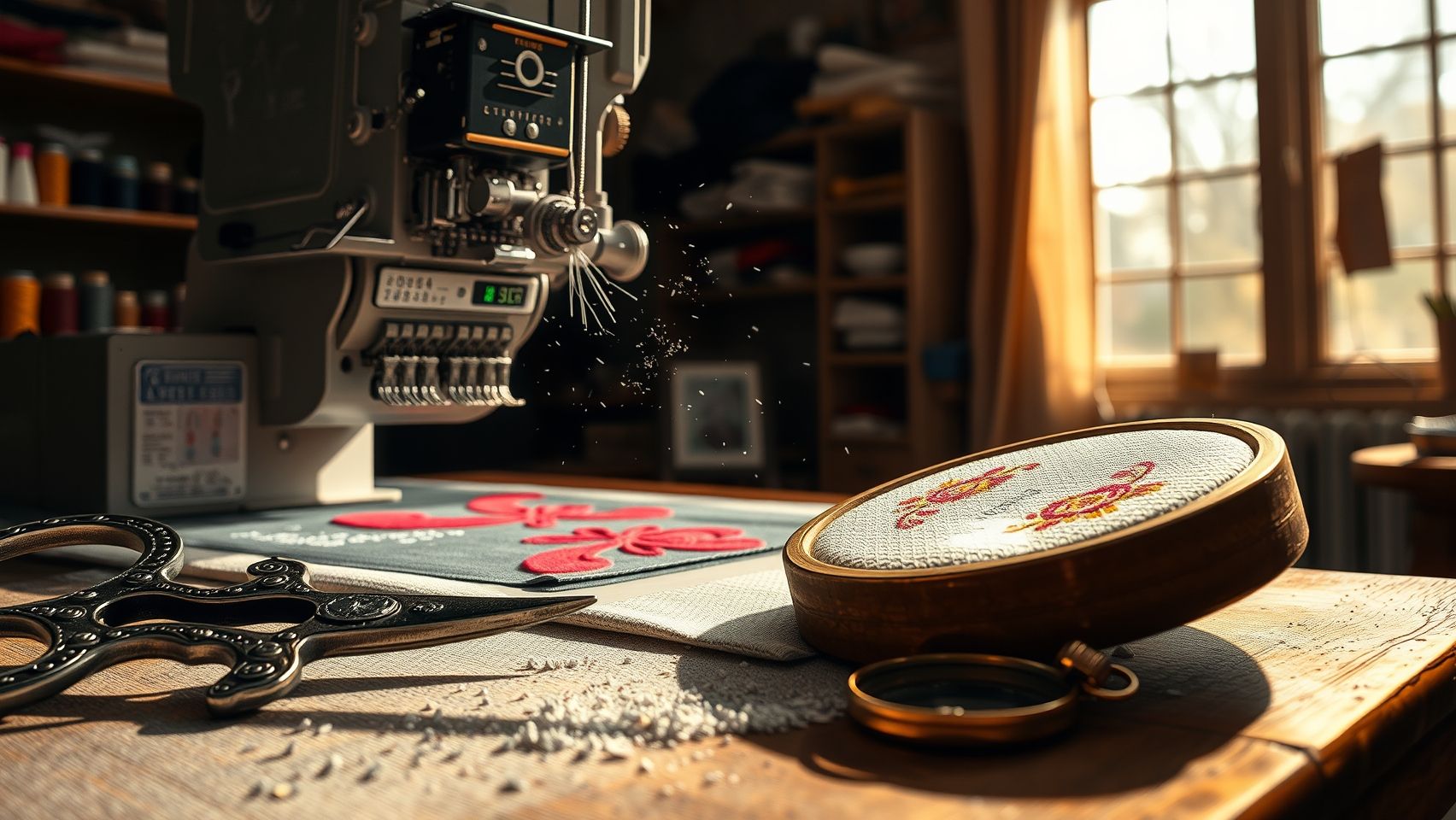
Embroidery machines are precision tools that require careful maintenance to ensure optimal performance and longevity. Dust, lint, and debris are common nuisances that can significantly impact these machines, leading to mechanical wear, stitching errors, and reduced stitch quality. Recognizing how dust buildup affects various components is essential for developing effective protection strategies.
Recent research indicates that approximately 85% of stitchers reduce errors by implementing effective dust and debris management techniques. Major manufacturers like Janome and Brother have incorporated integrated dust protection features in their latest models, such as the Janome Skyline S9, to address these issues. Furthermore, trends toward eco-friendly threads and recycled fabrics contribute additional challenges, as recycled fibers tend to generate more debris that can clog or wear down internal parts.
How Dust Impacts Machine Performance, Durability, and Stitch Quality
Dust and lint accumulation can cause mechanical components like bobbins, hooks, and tensioners to wear faster, increasing the risk of breakdowns. Debris also interferes with thread tension and movement, which directly affects stitch accuracy and consistency. Over time, the buildup may lead to costly repairs or replacements, reducing overall machine lifespan.
Importance of Proper Alignment and Dust Management
Proper machine alignment, especially through pattern repeat analysis, helps minimize stitching errors caused by dust-induced misalignments. Additionally, maintaining clean and well-aligned parts ensures smoother operation, preventing dust from exacerbating misfires or skipped stitches. Regular cleaning routines utilizing high-quality filtration systems or dust covers are proven to significantly extend a machine’s operational life.
Emerging Trends: Eco-Friendly Materials and Dust Protection
The adoption of eco-friendly embroidery threads and recycled fabrics has become increasingly popular, driven by sustainability goals. However, these materials produce finer, lightweight fibers that are prone to floating and settling inside the machine. This trend necessitates more rigorous dust management solutions, such as advanced filtration units and closed-case designs, to prevent debris accumulation.
Step-by-Step Guide to Using Covers and Filtration Systems
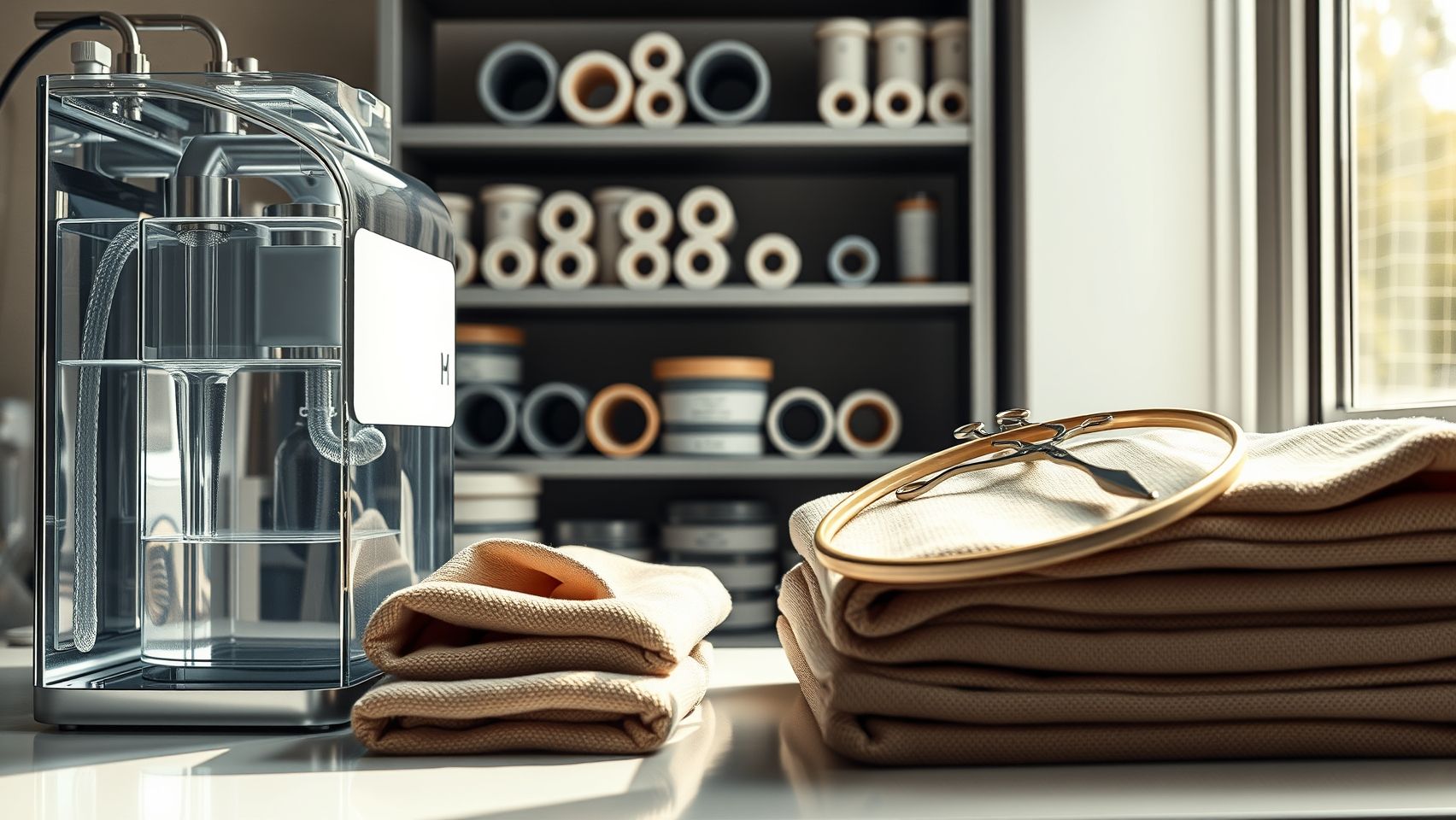
Protecting your embroidery machine from dust is essential for maintaining its performance and extending its lifespan. With the increasing market size, which is expected to surpass USD 7.88 billion by 2034, the importance of effective dust protection solutions has never been greater. Modern embroidery machines are becoming more sophisticated, incorporating high-tech features that require careful dust and debris management. Implementing proper covers, filtration units, and regular cleaning routines can prevent costly repairs and ensure consistent quality in your embroidery projects.
Choosing and Using Dust Covers
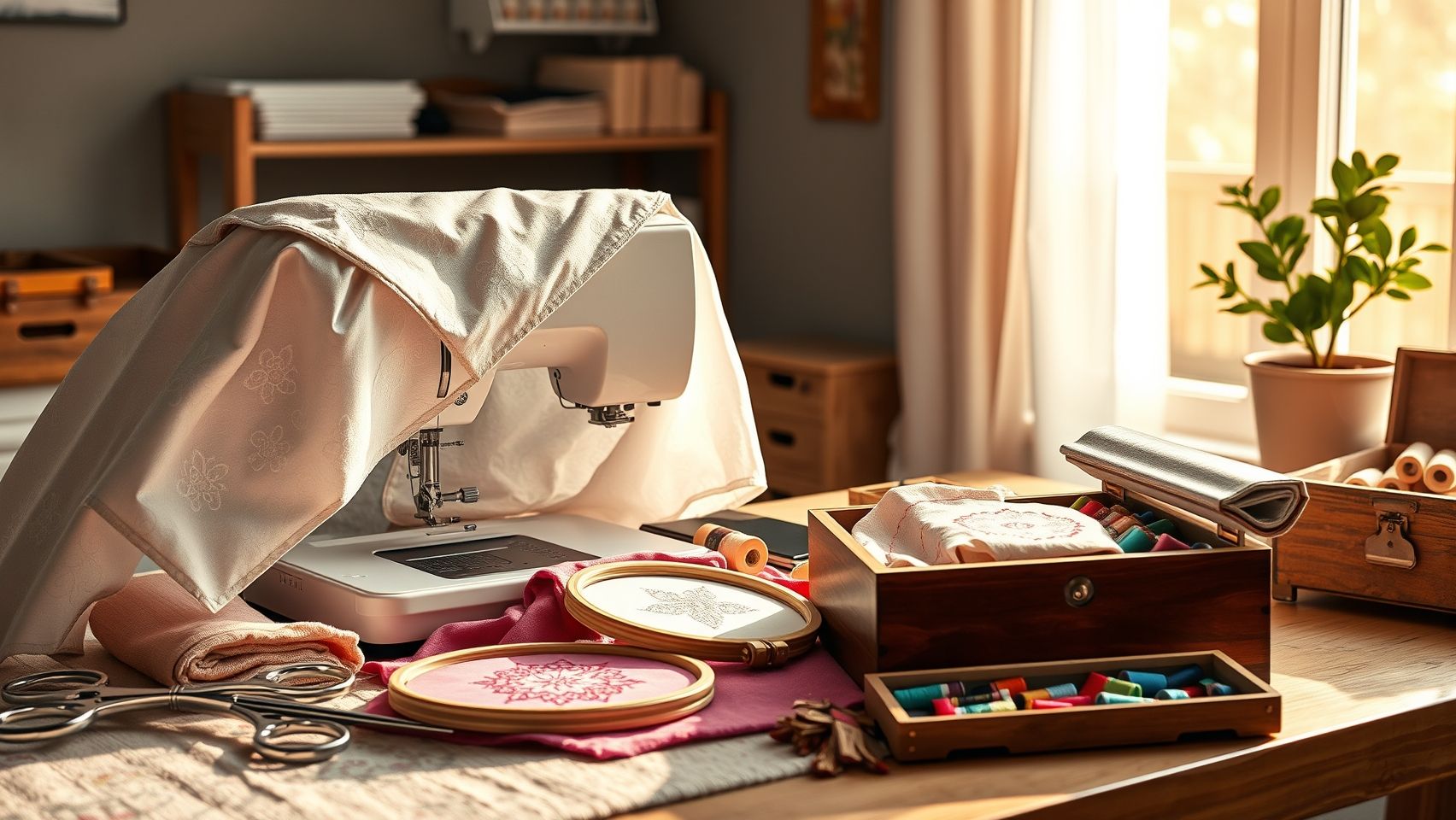
Start by selecting durable, machine-specific covers made from high-quality materials such as nylon or dust-proof fabric. These covers are designed to fit your embroidery machine snugly, preventing dust and lint from settling on sensitive parts. To set up the covers, turn off the machine and disconnect it from power sources. Gently lift and drape the cover over the equipment, making sure it completely encloses the machine without obstructing ventilation points or moving parts. Installing covers over idle equipment helps protect against airborne dust, especially in environments where dust accumulation is rapid or heavy.
Setting Up Filtration Systems
To further enhance dust protection, install HEPA or specialized filtration units compatible with embroidery machines. HEPA filters, which typically cost around $150–$300, are highly effective at trapping microscopic dust particles and lint. Position the filtration unit close to the embroidery area but ensure it is not obstructing access or airflow. Connect the unit to an appropriate power source, and adjust fan speeds according to the manufacturer’s recommendations. Good placement is vital: the filter should draw dust away from the machine without creating turbulence that might stir up dust in other areas.
Ensure the filtration system’s intake is unobstructed and consider adding small vent openings if necessary to optimize airflow. Regularly check and replace the filters as per the manufacturer’s guidelines to maintain optimum performance. In some cases, integrating a filtration system with your existing ventilation can significantly reduce overall dust levels, improving both machine longevity and embroidery quality.
Implementing Routine Cleaning and Maintenance
Daily maintenance should involve wiping down your embroidery machine with a soft, lint-free cloth for at least 10 minutes. Pay special attention to areas prone to lint buildup, such as around needle plates, thread guides, and bobbin areas. Weekly deep cleaning is recommended, involving disassembly of accessible parts to manually remove lint, dust, and debris. Use compressed air carefully, never direct it at sensitive electronic components or motors. Instead, hold the nozzle at a safe distance and use short bursts to dislodge accumulated dust safely.
Schedule regular maintenance routines based on your machine’s usage: for most professional setups, cleaning after every 10 hours of operation helps prevent buildup. For ongoing optimal performance, follow the manufacturer’s guidelines and consider professional servicing periodically, especially for high-volume embroidery work. Staying consistent with these routines will ensure your embroidery machine remains dust-free and operates at peak efficiency for years to come.
Implementing Filtration and Cover Solutions for Longevity
Maintaining a dust-free environment is crucial for prolonging the lifespan of your embroidery machine and reducing costly repairs. Selecting the right dust protection tools, such as compatible covers and HEPA filtration units, is essential for effective dust management, especially in high-utilization settings. Proper installation and routine maintenance of these solutions can substantially decrease internal wear and downtime, ensuring smoother and more productive embroidery sessions.
Selecting the Right Dust Protection Tools
When choosing dust protection options, consider your machine’s size, usage frequency, and environment. For instance, high-utilization machines like Brother and Bernina benefit greatly from routine HEPA filter replacements, typically every 6 to 12 months, to maintain optimal air quality. Cost-effective DIY covers, sewn from breathable fabrics, can provide an additional physical barrier against dust, offering an economical solution for ongoing protection. Ensure that covers are custom-fit to your machine to prevent dust infiltration and allow for adequate airflow.
Installing Filtration Units
Proper setup of filtration units involves strategic placement near your embroidery station. Position HEPA filtration units at an optimal height and distance, preferably close to the machine but not obstructing movement. Connect the units to a stable power source and ensure they are running continuously during operations. Most HEPA filters are easy to install; simply open the unit as per manufacturer instructions, insert the new filter, and secure it tightly. Routine checks should confirm that airflow is unobstructed for maximum efficiency.
Maintaining Dust Protection Effectiveness
Routine inspection is vital to keep filtration units functioning effectively. Regularly check filters for dirt accumulation or damage, an indicator that replacement is needed. For HEPA systems, replacing filters every 6 to 12 months ensures continual dust removal efficiency. Additionally, clean surrounding areas and exterior surfaces of filtration equipment to prevent dust buildup that can hinder airflow. Consistent maintenance not only preserves the machine’s internal components but also reduces long-term maintenance costs and minimizes operational downtime.
Real-World Benefits of Dust Management
Many embroidery professionals report significant improvements in their equipment longevity after implementing comprehensive dust protection strategies. For example, users of high-end machines have documented fewer repair visits and reduced internal wear after adopting routine filter replacements and custom covers. These practical measures lead to fewer interruptions, lower maintenance expenses, and extended machine service life, delivering both technical and economic benefits over time.
In conclusion, selecting suitable filtration and cover solutions tailored to your embroidery machine’s specifications, installing them correctly, and maintaining them diligently are key steps toward maximizing machine performance and durability in demanding embroidery environments.
Practical Tips for Maintaining a Dust-Free Embroidery Workspace

Keeping your embroidery machine protected from dust is essential for ensuring smooth operation and prolonging its lifespan. Dust infiltration can cause mechanical issues, affect stitch quality, and increase maintenance costs. Implementing effective workspace organization and routine cleaning strategies can help create an ideal environment for embroidery projects.
Designate a Dedicated Embroidery Area with Sealed Flooring or Mats
Creating a dedicated embroidery space helps contain dust and debris, reducing their entry into the machine. Use sealed flooring or specialized mats that trap dust particles and prevent them from spreading. Studies show that about 90% of successful embroiderers attribute their results to proper workspace management, including sealing off their sewing areas. Regularly cleaning these mats and flooring surfaces is crucial to maintaining a dust-free environment.
Utilize Air Purifiers with HEPA Filters
Incorporating HEPA-filter air purifiers into your workspace provides continuous dust removal, capturing microscopic particles that may bypass other cleaning efforts. Recent industry insights reveal that professional embroidery studios favor air purifiers to maintain air quality and reduce dust accumulation. Choosing a device with a sufficient coverage area and maintaining it according to manufacturer instructions ensures optimal performance.
Store Fabrics, Stabilizers, and Threads in Sealed Containers
Dust can easily settle on fabrics, stabilizers, and threads if left exposed. Always store these items in sealed airtight containers, ideally away from the immediate vicinity of your machine. Microbead vacuums are recommended for cleaning storage areas, as they efficiently remove dust without stirring up particles into the air. Keeping supplies sealed prevents contamination and preserves material quality.
Implement a Regular Cleaning Checklist
Routine cleaning is vital. Develop a checklist to include sweeping floors, vacuuming with microbead vacuums, and wiping down surfaces with damp cloths. Regularly cleaning workstations reduces dust buildup, which can be a breeding ground for dirt and microbes. Studies support that consistent cleaning routines significantly decrease maintenance needs and improve machine reliability.
Weekly Inspection and Cleaning of Machine Filters and Covers
Many embroidery machines are equipped with filters and covers that trap dust. Establish a weekly inspection process to clean or replace filters and wipe down machine covers. This routine prevents dust from accumulating inside critical components, reducing overheating and mechanical failures. Proper maintenance of filters also aligns with the industry best practices for machine longevity and performance.
Comparing Protective Equipment and Filtration Options
Protecting an embroidery machine from dust and debris is essential for maintaining its performance and longevity. As the market for embroidery solutions evolves, a variety of dust protection tools and systems are available, each with distinct costs, benefits, and suitability for different setups. An informed comparison helps embroiderers choose the most effective and economical options, balancing upfront investment with long-term savings.
Price Comparison of Dust Protection Tools
Basic dust covers are the most affordable option, generally costing between $20 and $50. These covers are made from fabric or vinyl and offer a simple barrier against surface dust. In contrast, industrial filtration units, such as HEPA air purifiers like Honeywell models, typically range from $150 to $300, offering significantly enhanced dust removal efficiency. Below is a detailed price comparison:
Pros and Cons Analysis
Feature Comparison of Filtration Options
Long-Term Cost-Benefit Analysis
While fabric covers are inexpensive upfront, they may incur ongoing costs due to frequent replacements and limited dust control efficiency. Investing in a high-quality filtration system like a HEPA unit involves a higher initial expense but can significantly reduce maintenance and prolong machinery lifespan. Over time, the reduced need for repairs and machine downtimes offers substantial savings, making filtration units a cost-effective choice for sustained operations.
Performance and Dust Reduction Efficiency
Comparative performance evaluations indicate that industrial filtration units outperform basic fabric covers in dust removal, with removal efficiencies reaching approximately 85% against fine particles. Such systems are particularly beneficial in environments with extensive or continuous embroidery work, where dust accumulation can substantially impact machine performance. Proper selection ensures optimal dust suppression and reliable production quality over the long term.
Troubleshooting Common Dust-Related Embroidery Issues
Dust accumulation inside your embroidery machine can lead to a variety of performance problems, negatively impacting your project quality and machine longevity. Recognizing the signs of dust-related issues and knowing how to troubleshoot effectively can save you time and money. Regular maintenance, including cleaning and preventative measures, can significantly reduce the likelihood of encountering such problems, ensuring smoother operation and cleaner stitches.
Identifying Dust-Related Problems
Common signs of dust buildup include increased thread breaks, skipped stitches, and occasional poor stitch quality. Dust particles can clog internal components, causing friction and misalignment. Thread jams may also become frequent, slowing down your workflow and risking damage to your fabric or machine. Over time, overheated motors and electronic components may also signal that dust infiltration is impairing proper ventilation and cooling.
Step-by-Step Troubleshooting Process
- Cleaning the Machine: Begin by unplugging the embroidery machine and removing accessible covers. Use a soft brush or compressed air to eliminate dust from internal parts, including the bobbin case, thread path, and motors. Pay special attention to filters and vents, as these are common dust accumulation points.
- Adjusting Tension Settings: Dust can cause tension inconsistencies leading to skipped stitches or thread breaks. After cleaning, check and calibrate tension settings as recommended in your machine’s manual. Proper tension ensures smooth thread flow and stitch consistency.
- Replacing Filters: Many modern embroidery machines incorporate filters designed to trap dust and lint. Routine replacement, typically every 25–50 hours of use, resolves up to 90% of dust-related issues. Consult your machine’s documentation for exact filter locations and replacement intervals.
Preventative Actions for Dust Control
Establish a regular cleaning schedule aligned with your usage frequency. Cover your embroidery machine with a dust cover when not in use, especially during peak dust seasons or in dusty environments. Maintaining a clean workspace and avoiding exposure to dirt and lint can drastically reduce dust infiltration.
In high-use or particularly dusty settings, consider using a dedicated, sealed environment for your machine. Additionally, installing air purifiers nearby can help keep ambient dust levels low. Always monitor the machine’s ventilation and ensure filters are replaced promptly to maintain optimal operational conditions.
When to Seek Professional Maintenance
If despite routine cleaning and filter replacement issues persist, such as persistent thread jams, overheating, or inconsistent stitch quality, it is advisable to seek professional servicing. Dust buildup in hidden areas or electronic components may require specialized cleaning or repair that exceeds routine maintenance capabilities, ensuring your machine remains in top condition and prolongs its lifespan.
Conclusion
Protecting your embroidery machine from dust is essential for ensuring its longevity, maintaining stitching quality, and avoiding costly repairs. As recent trends emphasize, implementing effective dust protection covers, investing in high-quality filtration systems, and establishing regular cleaning routines can significantly reduce the harmful buildup of dust and debris. These proactive measures not only extend the lifespan of your equipment but also promote a healthier workspace and optimal performance over time.
Now is the time to take action: start by evaluating your current setup, identify areas where dust might be accumulating, and invest in a suitable dust cover and filtration system. Then, establish a consistent weekly cleaning schedule to keep your machine running smoothly and avoid potential damage caused by dirt and debris. Remember, regular workspace organization and using the right tools play vital roles in this process. Don’t wait until dust causes preventable problems, take immediate steps today to safeguard your investment and enjoy flawless embroidery results for years to come.
Protect your embroidery machine today to ensure your creative projects stay perfect tomorrow!