Embroidery Business Startup Costs Breakdown for Quick Success
Are you ready to turn your passion for embroidery into a profitable business? Knowing exact startup costs can save you valuable time and money. Starting an embroidery business involves several key investments, from high-quality machines that can range from $5, 000 to over $20, 000, to software like Hatch Embroidery or Wilcom that makes digitizing a breeze. According to industry estimates, initial setup costs typically fall between $7, 000 and $24, 000, depending on your scale and ambitions. But don’t worry, careful planning and budgeting can help you navigate common pitfalls and fast-track your success. In this article, you’ll find step-by-step guides to estimating your expenses, real-world cost breakdowns, and actionable tips to get your business off the ground quickly. Whether you’re starting small or aiming for a full-fledged studio, knowing how to allocate your funds wisely from the outset is crucial. Ready to learn how to maximize your investment and launch with confidence? Let’s dive into the essentials that will set you on the path to embroidery entrepreneurial success.
What Do You Need to Know About Embroidery Startup Costs?
Starting an embroidery business involves several initial expenses that can vary based on quality, scale, and technological preferences. Understanding these costs upfront helps in creating a realistic budget and ensures a smoother launch. From core equipment to marketing, each component plays a vital role in your business’s foundation.
Recent market data indicates that entry-level embroidery machines range from $600 to $2, 500, with high-end models offering advanced features at higher prices. Software licenses and essential accessories like threads and stabilizers also contribute significantly to startup costs. Proper planning can help you allocate funds effectively while avoiding unexpected expenses.
Core Equipment Costs
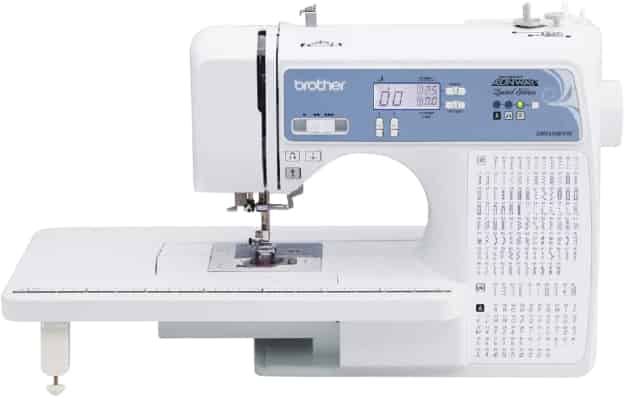
The heart of your embroidery startup is the embroidery machine. Basic models like the Brother SE600 are priced around $600, offering good basic features for beginners. More advanced models, such as the Bernina 570 QE, can cost approximately $2, 500 but provide more speed, precision, and automation features.
Software licenses vary from free to premium options like Hatch Embroidery, which costs between $300 and $500. Investing in reliable software enhances design capabilities and efficiency. Accessories, including hoops, needles, and stabilizers, generally add another $50 to $200 to initial expenses, depending on the quantity and quality.
Material Expenses
Threads, stabilizers, and needles are ongoing costs that depend on your production volume and design complexity. A starter thread pack typically costs about $50, covering basic colors for initial projects. Stabilizers and hoops vary in price but generally range between $20 and $100 for a small business setup. High-quality needles may cost around $10-$20 for a pack, and purchasing in bulk can reduce long-term costs.
Workspace Setup Costs
You can set up a functional workspace for as low as $200, especially if utilizing a spare room or garage. Expenses include basic furniture like tables, chairs, and good lighting. If choosing a dedicated commercial space, rent costs vary widely by location, but a small studio setup might start at $300/month, adding significantly to your initial budget.
Initial Marketing Budget
Effective marketing is crucial for attracting clients. Starting with a modest social media advertising budget of $50 to $200 per month on platforms like Facebook or Instagram can bring steady inquiries. Branding materials such as business cards, a website, and logo design can total around $200-$500 initially. Building a local presence through community events or craft fairs may also enhance visibility with minimal added costs.
ROI Timeline
Most embroidery startups break even within 6 to 12 months. Achieving this depends on consistent sales volume and effective pricing strategies. During this period, reinvesting profits into marketing and equipment upgrades can accelerate growth and increase profitability.
Step-by-Step: Setting Up Your Embroidery Business for Less Than $1, 000
Starting an embroidery business on a budget is entirely achievable with careful planning and strategic choices. By selecting affordable equipment, setting up a functional workspace, and leveraging free marketing tactics, you can launch your venture for under $1, 000. This guide walks you through each step to ensure quick setup and a solid foundation for success.
Choosing Cost-Effective Equipment
Your first investment should be an versatile embroidery machine. Options like the Brother SE600 are popular for startups due to their affordability and features, priced at around $600. It offers a good balance of functionality and budget-friendliness, making it ideal for producing a variety of designs. Alternatively, some entrepreneurs opt for higher-end models like the Janome Memory Craft 400E, which costs approximately $1, 200 but provides expanded capabilities for faster production and larger designs.
Recent developments have improved the features of embroidery machines, including enhanced digitizing options and higher resolution displays, making them more accessible for beginners. Selecting the right machine depends on your budget and future growth plans, but the Brother SE600 strikes an excellent balance for initial investment under $700.
Setting Up a Functional Workspace
Create a dedicated and organized workspace by finding a quiet corner or spare room in your home. Invest in a sturdy table, costing around $50-$100, to provide a stable surface for your machine. Proper lighting is crucial, aim for good LED lights around $50 to reduce eye strain and improve precision. Keeping your workspace tidy and well-lit boosts efficiency and helps produce professional-quality work without additional costs. Remember, a well-planned setup can be achieved for under $200, making it an affordable step in your startup journey.
Stock Up on Essential Supplies
Secure a starter pack of high-quality embroidery threads with 10-15 colors, typically costing around $50. Look for kits from reputable brands to ensure durability and colorfastness. For design creation, consider free or budget-friendly software, Hatch Hobby offers a yearly license at about $300, providing robust digitizing tools suitable for beginners. Use free online resources and tutorials to design initial patterns and learn digitizing techniques, minimizing the need for expensive courses or outsourcing.
Marketing on a Budget
Leverage free platforms like Instagram and Facebook to showcase your designs and attract clients. Set up professional-looking business pages and post regularly with high-quality photos and special offers. Engaging actively on social media creates buzz without any added costs, enabling you to build an initial customer base. Consistent posting and community interaction are key to gaining visibility and generating sales quickly.
Tracking Expenses and Ensuring Profitability
Meticulously track all expenditures using free budgeting tools or spreadsheets to stay within your $1, 000 limit. Monitoring costs helps identify areas for savings and ensures your investment aligns with your growth goals. With strategic purchasing and effective marketing, many beginners expect to see a return on investment within 9-12 months, especially when maintaining consistent effort and quality.
Choosing the Right Embroidery Equipment and Software
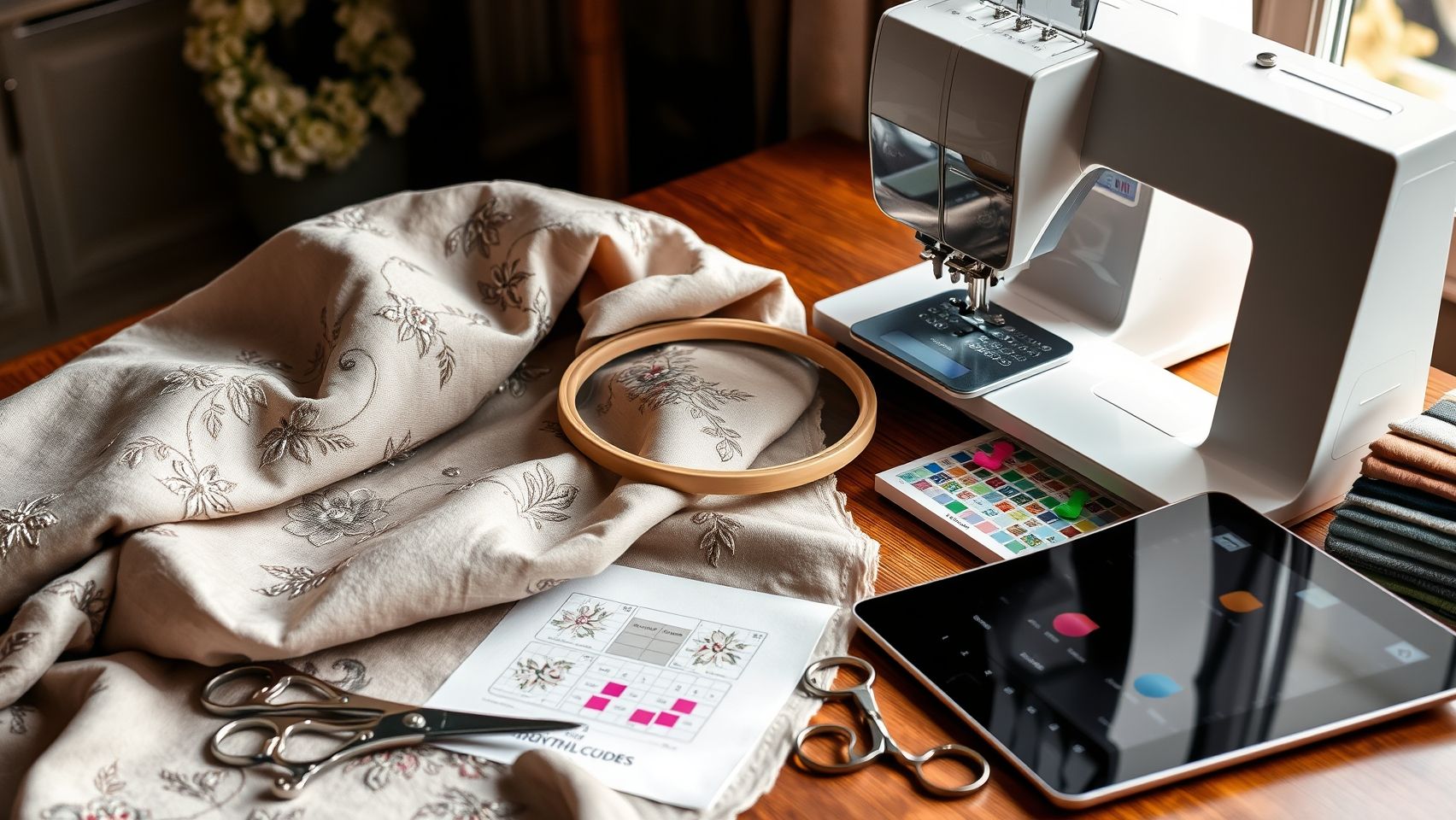
Starting an embroidery business requires careful selection of equipment and software to balance initial investments with long-term productivity. Comparing popular machines and design software options can help new entrepreneurs make cost-effective, efficient choices tailored to their needs.
Entry-Level Machines: Brother SE600 vs Janome 400E
The Brother SE600 is an accessible entry-level embroidery machine, offering a 4” x 4” embroidery area and including 240 preloaded designs, priced at approximately $600. Its compact size and user-friendly interface make it ideal for beginners and small-scale operations. However, its smaller workspace may limit complex or larger designs, which can be a drawback for growing businesses.
The Janome 400E, priced around $1, 200, provides a larger workspace that supports bigger and more detailed embroidery projects. Its enhanced stitch quality and reliable performance make it a strong contender for entrepreneurs planning to scale operations. Nevertheless, the higher upfront cost must be weighed against the potential productivity gains, especially if the business aims for higher volume or more elaborate designs.
When comparing these machines, consider your project scope, budget, and future growth plans. The Brother SE600 is cost-effective for starting out, whereas the Janome 400E offers increased capacity and quality for those ready to invest more upfront.
Evaluating Embroidery Software Options
Design software plays a crucial role in creating and customizing embroidery patterns. Hatch Embroidery, priced at around $300, is praised for its user-friendly interface, extensive design editing, auto-trace functions, and customization capabilities, making it suitable for beginners and small businesses alike.
Wilcom offers advanced features at over $700, including professional digitizing tools, seamless integration, and high-level customization, which might be more suitable for experienced digitizers or expanding operations. However, for many startups, Wilcom’s complexity and cost could be unnecessary initially.
Free alternatives like Ink/Stitch, based on Inkscape, provide basic digitizing features and can be valuable for those just starting or on tight budgets. While they may lack some professional support and advanced tools, these options enable entrepreneurs to experiment and learn without heavy upfront investment.
Computerized vs. Manual Embroidery Setups
Cost-Benefit Analysis
Investing in a more versatile embroidery machine with larger capacity and advanced features may involve higher initial costs, such as the Janome 400E at around $1, 200. However, its ability to handle larger and more complex designs can lead to increased productivity and higher-quality output, ultimately resulting in greater long-term savings and competitiveness.
Cost-effective machines like the Brother SE600 provide a solid foundation for startups, especially those with limited budgets or smaller project scopes. But as the business grows, upgrading to models with expanded workspace and advanced capabilities can produce significant efficiency gains, offsetting the initial expense.
How to Minimize Startup Costs and Maximize ROI

Starting an embroidery business can be financially rewarding, but initial expenditures often pose a challenge. By adopting strategic planning and smart investments, entrepreneurs can reduce costs significantly and accelerate revenue generation. The key is to focus on multipurpose equipment, low-cost marketing efforts, and efficient workflows to ensure a quick return on investment (ROI).
One of the most effective ways to minimize startup costs is by selecting versatile embroidery machines. Modern multipurpose machines can handle various embroidery styles and projects, saving money on multiple specialized units. According to recent industry data, using such machines can save up to $1, 000 compared to purchasing several single-function machines, making them a highly cost-effective option for startups.
Optimize Equipment Investments
Investing in a high-quality, multipurpose embroidery machine is crucial. These machines can perform a wide range of embroidery tasks, decreasing the need for additional equipment. Technology advancements in 2024 have enhanced multifunctionality, allowing startups to offer diverse products without hefty investments. Plan for incremental upgrades; reinvest profits into advanced equipment only once consistent demand is established, which ensures financial stability and growth.
Leverage Free Marketing Channels
Effective marketing is vital yet can be costly. Utilizing free channels such as social media platforms, local craft fairs, and online marketplaces like Etsy can generate clients without advertising expenses. Building a strong online presence through engaging content and community outreach increases visibility, helping to attract customers quickly. According to recent market trends, targeted social media efforts can significantly boost local and online sales, often within the first few months.
Use DIY Design Resources
Design costs can quickly add up, but DIY resources drastically cut expenses. Free digitizing tutorials, open-source design files, and embroidery community groups provide excellent support for creating unique designs without software licensing fees. This approach not only lowers costs but also fosters creativity, allowing you to produce custom items that stand out in a crowded market.
Streamline Workflow and Expense Tracking
Maximize efficiency by batching project setups, utilizing templates, and maintaining an organized workspace. A well-structured workflow reduces production time and error rates, increasing overall profitability. Meticulous record-keeping of all expenses and sales helps identify high-ROI activities and cut unnecessary costs, enabling better financial decisions. Industry data suggests aiming for a positive ROI within 6-12 months by prioritizing cost-effective strategies.
Summary
Smart planning, the right equipment, and resourceful marketing are essential to minimizing startup costs and maximizing ROI in an embroidery business. Focus on versatile machines, leverage free promotional channels, and utilize community resources for design. Streamlining workflow and keeping diligent financial records further accelerate growth, paving the way for a successful and profitable embroidery enterprise.
Understanding the Practical Timeline to Recoup Your Investment

Planning a successful embroidery business requires not only understanding your startup costs but also setting realistic expectations for when you will see a return on your investment. A clear timeline helps you allocate resources efficiently and stay motivated as you grow your clientele. By analyzing your initial costs, pricing strategies, and sales volume, you can create a practical roadmap toward profitability.
Typically, initial startup costs for an embroidery business can range around $800, covering equipment, supplies, and marketing. With an average profit per project of $50, selling just 2 projects weekly can generate approximately $400 monthly. This positive cash flow, sustained over time, can help you break even within 2-3 months, provided sales targets are consistently met. Regularly tracking project completion times, such as an 8-hour detailed embroidery piece, provides benchmarks for your workflow and helps forecast sales capacity.
Estimating the Break-Even Point
Calculating your break-even point involves understanding your fixed and variable costs alongside your profit margins. If your average project profit is $50 and your initial investment is $800, reaching the break-even point depends on maintaining steady sales volume. For instance, selling 2 projects weekly amounts to a monthly revenue of around $400, which accelerates your timeline to recover costs. Monitoring how quickly you can complete projects, optimize your workflow, and efficiently manage orders influences how soon your business can become profitable.
Optimizing Sales to Shorten ROI Timeline
To expedite reaching profitability, consider adjusting your marketing strategies to increase sales velocity. Offering limited-time promotions or expanding your product range can attract more customers. Additionally, set monthly sales targets aligned with your fixed expenses and investment, ensuring consistent progress. Tracking project timelines, such as the standard 8-hour detailed embroidery work, enables you to refine your process, thus increasing output and revenue per period. Over time, increasing sales volume, by selling more than 2 projects weekly, can significantly shorten your ROI timeline, moving you closer to sustainable success.
Conclusion
Embarking on an embroidery business journey is entirely achievable with careful planning and strategic budgeting. As highlighted in this article, you can start an effective embroidery venture under $1, 000 by prioritizing cost-effective equipment, essential materials, and targeted marketing efforts. Remember, success depends on consistency, smart investments, and continuous skill development.
Utilize free resources and online tutorials to hone your craft, keeping initial costs low while building your expertise. Gradually, as your sales grow and profits reinvested, your embroidery brand can expand sustainably. Don’t wait for perfect conditions, take immediate, practical steps today to turn your passion into a profitable business. With dedication and a clear plan, you can achieve your embroidery dreams and enjoy the rewards of your hard work.
Start small, stay consistent, and watch your embroidery business flourish, your success story begins now!