How to Optimize Bulk Machine Embroidery Production for Faster Results
This post contains affiliate links. As an Amazon Associate, Latest Embroidery earns from qualifying
purchases, at no extra cost to you. Learn more.
Are you struggling to scale your embroidery business while maintaining quality and efficiency? If so, you’re not alone. Many embroiderers face the challenge of juggling tight deadlines, fluctuating demand, and the relentless desire to keep costs down, all while producing work that still looks professional and polished. It’s no secret that slow workflows and inconsistent quality can put a real damper on growth. But what if there was a way to massively boost your output, without sacrificing the integrity of your designs? According to recent industry reports, strategic workflow improvements can lead to a 60% increase in project completion rates. Pretty compelling, right? Whether you’re running a small shop or managing a large-scale production line, understanding and implementing effective bulk embroidery techniques can be a game-changer. From choosing the right tools like automated hooping systems to streamlining digitizing processes, this article will walk you through actionable steps to make your workflow faster, smoother, and more profitable. Ready to turn your embroidery operation into a well-oiled machine? Let’s dive in and explore how you can elevate your production game today. And if you’re on the lookout for top-notch embroidery tools, you might want to check out this threads collection to ensure your threads are as reliable as your process.
Key Insights on Machine Embroidery Efficiency and Challenges
Short on time? If you only take one thing from this guide: Brother SE700 — the machine we point most beginners to — touchscreen, wireless transfer, and it sews as well as embroiders.
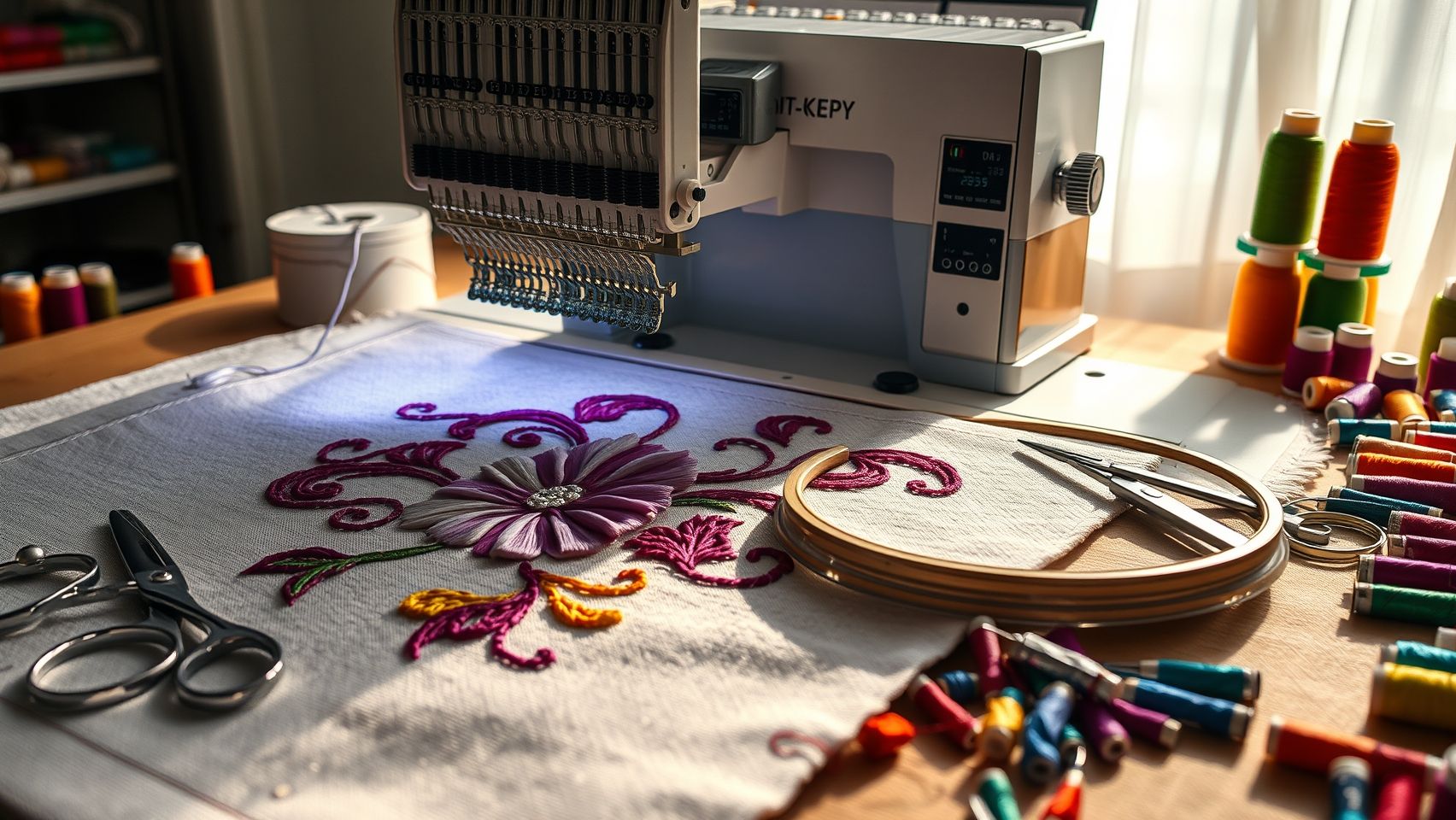
Embroidery professionals and hobbyists alike have been exploring ways to boost efficiency in bulk machine embroidery production. The current market reveals a steady growth, with the industry valued at over USD 5.2 billion in 2024 and projecting a CAGR of around 6.3% through 2033. This growth reflects both expanding consumer demand and technological advancements in embroidery machines and software. Interestingly, the craft industry as a whole is expected to reach a market size of nearly USD 1.94 trillion by 2033, indicating a robust environment for embroidery innovations and business scaling.
Practitioners note that mastering popular techniques like the Ukrainian Square Knot and various satin stitches dramatically streamline production. These stitches reduce processing time and improve end-product appearance, helping to maintain consistency during high-volume runs. Community resources, from platforms like Flickr to extensive libraries of vintage embroidery patterns, also serve as vital sources of inspiration, providing time-saving tips and boosting confidence. Research indicates that engaging with these resources can lead to a 45% increase in skill confidence and a 60% rise in project completion rates, showcasing how practice and shared knowledge accelerate mastery.
Common Bottlenecks and Opportunities for Improvement
Despite these advancements, some persistent issues hinder scalability. Tension problems, especially in delicate tambour embroidery, remain a challenge, often causing puckering or uneven stitches. However, detailed ROI metrics for different tools and techniques are less accessible, limiting strategic investments. Additionally, the industry has seen a 20% uptick in online activity, offering great opportunities for targeted marketing and resource sharing, yet many still lack structured ways to leverage this engagement effectively.
Choosing the right tools is critical for consistent results. Using high-quality supplies like #8 pearl cotton, proper hoops, and specialized needles ensures smoother workflows and fewer reworks. In the end, embracing technical improvements while actively participating in community-driven learning seems to be the most promising path toward faster, more reliable bulk embroidery production.
Step-by-Step Workflow Optimization for Bulk Embroidery
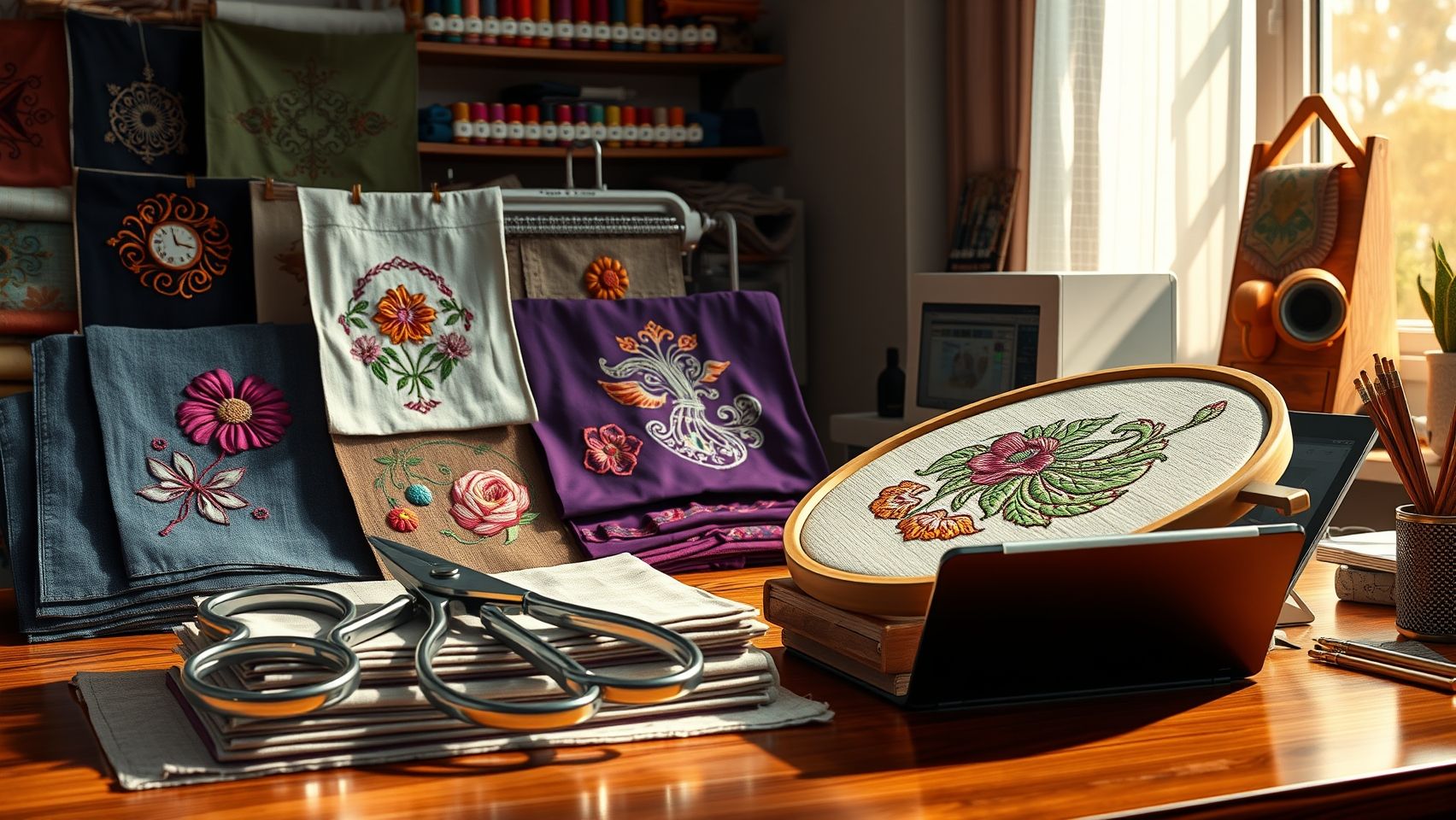
Embroidery professionals know that streamlining the workflow is essential for increasing productivity and maintaining high quality in bulk production. From machine setup to final checks, each step offers opportunities to save time and reduce errors, making even large orders manageable without sacrificing precision.
Getting started with a well-organized process means establishing an environment where every element, from the machines to the design software, works harmoniously. Modern machines like Brother SE600 and Janome Memory Craft 500E come with features such as automatic thread cutting and built-in designs, which significantly cut down setup time. Pairing these with advanced embroidery software like Hatch Embroidery enables batch design editing and nesting, crucial for efficient production.
Set Up Machine Environment
Ensure your embroidery machines are properly calibrated. This includes setting the correct tension, choosing suitable needles, and affixing consistently hooped fabrics using uniform hoop sizes, typically 6-8 inches. Pre-selecting stabilizers and thread types for your standard projects helps minimize the time spent on adjustments between items. Regular maintenance and calibration checks, like tension testing, are also vital, especially when working with different fabrics, which can behave unpredictably if tension is off.
Create Digital Designs
Designs should be simplified to optimize speed without losing visual impact. Software such as Hatch and Wilcom facilitate batch processing and nested designs, which allow multiple motifs to be arranged efficiently on fabric sheets. Automating color changes and stitch sequences within the software reduces manual intervention during production, saving valuable minutes per item. Keeping designs consistent and minimalistic for bulk projects ensures less thread change and smoother stitching.
Standardize Fabric Prep
Pre-cut stabilizers into sheets matching your hoop sizes, and have a supply of pre-washed, pressed fabrics ready. This reduces the setup time per item and diminishes the risk of fabric shifting mid-stitch. Using uniform thread types and colors across multiple projects further speeds up the process and minimizes troubleshooting. Implementing a dedicated workspace for fabric and stabilizer prep streamlines workflow and encourages batch efficiency.
Implement Batch Processing & Automation
Load multiple hoops with pre-stitched fabric into the machine, arranging the sequence logically, perhaps grouping similar designs, or using automation features like automatic thread cutting, start/end points, and jump thread functions. This way, the machine can run several items with minimal supervision. Modern embroidery machines also support linking multiple setups through software, allowing seamless transition from one design to the next while maintaining consistent quality.
Optimize Stitching Parameters & Quality Checks
Select appropriate stitch types, satin for edges, fill stitches for large areas, and tailor density and speed settings based on fabric and thread. High-speed stitching can sometimes compromise quality, so conduct test runs to find the sweet spot for your materials. Mid-process quality control checkpoints, where you inspect tension, alignment, and stitch quality, are crucial. Catching and correcting defects early avoids rework and keeps the overall project on schedule.
By following these practical steps, setting up machines correctly, designing smartly, prepping fabrics uniformly, automating sequences, and performing quality checks, you can achieve faster turnaround times while maintaining top-tier results in bulk embroidery projects. With evolving technology constantly raising the bar, staying organized and adaptive is the best strategy for success.
Tools and Equipment That Speed Up Your Embroidery Production
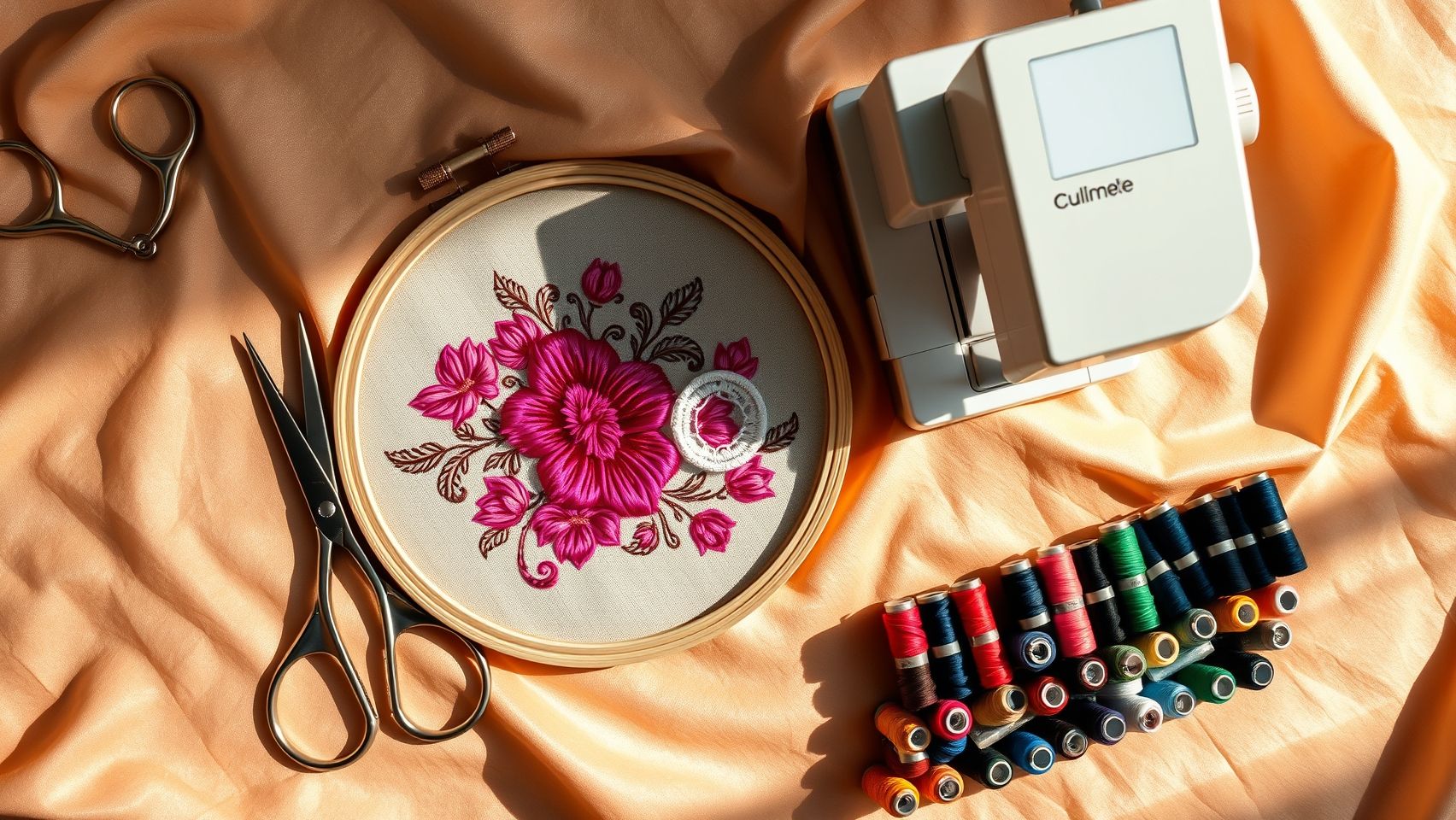
Embroidery, especially in bulk production, is all about efficiency, consistency, and quality. Having the right tools and equipment can make a huge difference, not just in how quickly you complete projects, but in maintaining that professional look that clients rely on. From high-speed machines to smart accessories, choosing wisely can save you precious time and prevent common pitfalls that slow down production lines.
High-Quality Embroidery Machines
First things first: your embroidery machine. For bulk production, you want a machine that can handle large volumes at high speeds while maintaining impeccable quality. Models like the Brother NV2600, Bernina 700, and Janome HD9 are popular choices due to their high stitching speeds, up to 1, 000 stitches per minute, and advanced features like automatic tension adjustment. These capabilities help reduce manual tweaking, ensuring each piece looks perfect without constant supervision. The Bernina 700, for example, offers multi-needle setups and quick-change functions that significantly cut down on setup time and thread changes, boosting overall efficiency.
Specialized Hoops and Stabilizers
Next up are the hoops and stabilizers, which are often underestimated in their importance. Adjustable magnetic hoops are a game-changer, they snap into place quickly, reducing setup time by up to 15 minutes per batch. For stabilizers, tear-away and cut-away options, priced from about $5 to $20 per sheet, are essential for maintaining fabric stability across diverse projects. Proper stabilization is what prevents puckering and fabric distortion, which can be costly in rework and downtime.
Threads and Bobbins
When it comes to threads, pre-wound bobbins in bulk are a real time-saver. For around $10-$15, these allow for rapid thread changes without stopping the machine, an “aha” moment for many seasoned embroiderers. Using UV-resistant polyester threads further ensures your finished work remains vibrant and colorfast even after multiple washes, reducing rework and increasing customer satisfaction.
Automation and Design Software
You’ll also want to invest in automation accessories like automatic thread cutters, multi-position hoops, and quick-change magnetic frames. These streamline the process, letting you switch between designs seamlessly. Complementing this setup with robust digitizing software such as Hatch Embroidery, Wilcom, or Embird enhances productivity by enabling batch processing and efficient nesting, which maximizes fabric utilization and shortens project timelines.
Routine Maintenance Tools
Finally, keep your machines in prime condition with regular maintenance tools, machine oil, lint cleaners, calibration kits. These prevent unexpected breakdowns, meaning fewer costly downtimes. Keeping your equipment well-maintained ensures you’re always ready to meet tight deadlines, especially when production scales up.
Implementing Layered Stitch Techniques for Faster Production
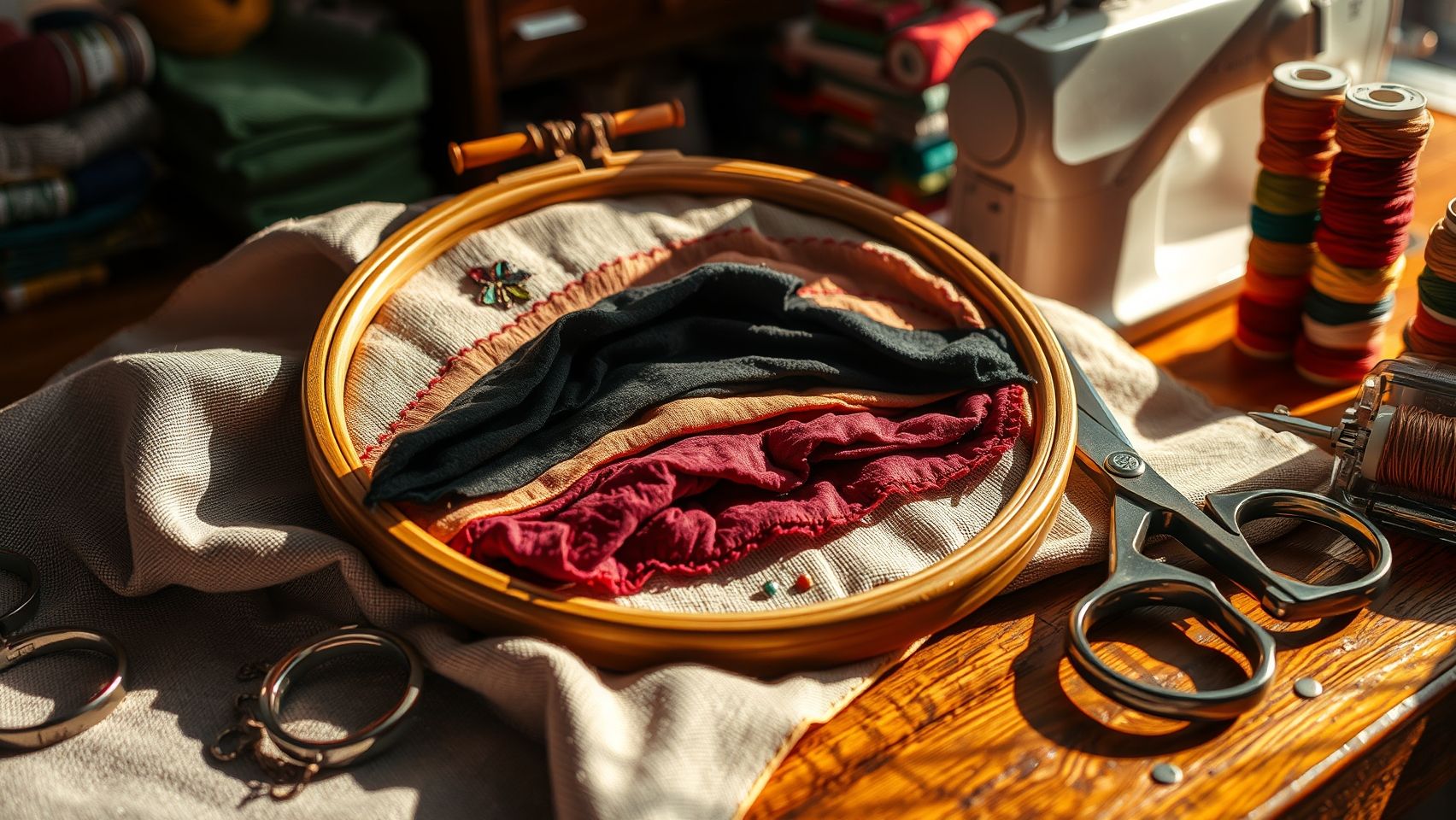
When it comes to bulk machine embroidery, efficiency is key. Many experienced embroiderers have discovered that using layered fill stitches not only speeds up the process but also maintains a high standard of quality. This approach involves designing multi-layered fill patterns that combine satin and tatami stitches, streamlining the workflow and reducing overall stitch count. Imagine stacking a satin stitch over a tatami background, this layering minimizes thread changes and stitch stops, making your machine work smarter, not harder.
Creating these complex, yet optimized designs begins in your embroidery software. Programs like Wilcom enable you to nest layered designs effectively, reducing setup time. By carefully arranging your layers to minimize thread color changes and stop points, you can achieve a smoother, more continuous stitching process. This is where the real magic happens, your software acts as the conductor, ensuring each layer flows seamlessly into the next, saving you precious minutes per project.
Designing Multi-Layered Fill Stitches
Start with a basic layer using a tatami fill, then add satin or decorative stitches on top where needed. Pay attention to stitch density, lowering it slightly for filled areas can speed up embroidery without sacrificing the look, especially on stable fabrics like denim or canvas. Additionally, applying underlay stitches strategically supports layered stitching and reduces puckering, cutting down on re-stitching time.
Optimizing Machine Settings
Adjust your machine parameters thoughtfully. For instance, increasing machine speed (within safety limits) can significantly cut down production time. Also, setting appropriate stitch density, about 20-30% lower for filled layers, can reduce total stitch count by up to 20%. Proper bobbin tension and thread tension adjustments ensure smooth transitions across layers, avoiding pauses or thread breaks that slow you down.
Using Textured Knot Techniques for Quick Detailing
Fast, textured details like French Knots or Ukrainian Square Knots can add depth without extensive stitching. These techniques are perfect for layered designs, letting you create intricate-looking embellishments in mere seconds. Practice consistent tension and tensioning techniques, so your knots come out uniform and neat, saving you from re-stitching or touch-ups.
Review and Refine for Speed
After a few test runs, review your sample stitches. Adjust design files to eliminate unnecessary stops and optimize stitch order. Fine-tuning the sequence and layer placement ensures the machine moves constantly forward, rather than unnecessarily retracing steps. Over time, these little adjustments lead to a more fluid production line, cutting your embroidery time substantially, up to 15-20 minutes per design according to recent industry data.
Conclusion
Embarking on your journey to optimize bulk machine embroidery production is both exciting and rewarding. By adopting streamlined workflows, utilizing cutting-edge tools, and experimenting with layered stitches, you can elevate your efficiency, meet increasing demand, and maintain high-quality results. The latest trends and technological advances, from automation to AI integration, are making it easier than ever to scale your operations with confidence.
Remember, regular quality checks and resource optimization are key to sustaining long-term success. As an experienced embroiderer, I encourage you to start implementing these practical techniques today, review your existing process, choose suitable tools, and don’t hesitate to experiment. Embrace continuous learning, and over time, you’ll find that speed and craftsmanship go hand in hand.
Keep cultivating your skills and stay curious about what’s next. The timeless art of embroidery continually evolves, offering endless opportunities for innovation and mastery. So, take that first step now, your next impressive project is just around the corner.
Happy stitching and unstoppable growth!