How to Clean and Maintain Your Embroidery Machine Needle Bar
This post contains affiliate links. As an Amazon Associate, Latest Embroidery earns from qualifying
purchases, at no extra cost to you. Learn more.
Why Needle Bar Maintenance Matters
Short on time? If you only take one thing from this guide: Machine oil & cleaning kit — most “faulty machine” problems are lint and a dry hook race.
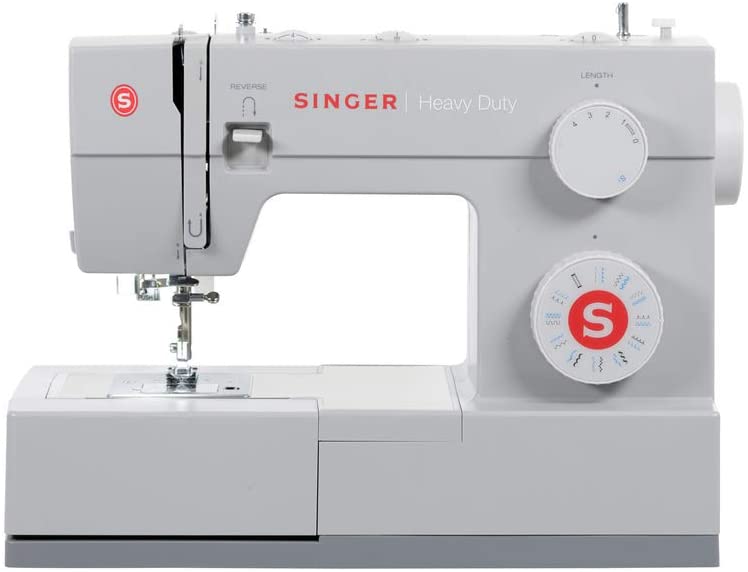
The needle bar is one of the most critical and most neglected components in embroidery machine maintenance. It houses the needle clamp, drives the needle through fabric thousands of times per hour, and operates in close proximity to thread, lint, and fabric debris that accumulate with use. A dirty or improperly lubricated needle bar causes thread breaks, skipped stitches, inconsistent tension, and in severe cases, mechanical wear that requires professional servicing.
How Often to Clean the Needle Bar Area
The recommended cleaning interval for the needle bar area depends on your machine usage. For home machines running a few hours per week, a thorough cleaning every 4-8 hours of actual stitching time is appropriate. For commercial machines running full production days, inspect and clean the needle bar area at the start of each production session. Lint and thread fragments accumulate faster than most users expect, especially when working with natural fiber fabrics or using heavily textured thread.
Tools You Need
You need a small, soft-bristled cleaning brush (most machines include one), compressed air or a dedicated machine blower, a lint-free cloth, and the manufacturer-recommended oil (never substitute household oils or spray lubricants). A magnifying lamp is helpful for inspecting the needle bar for thread wraps and debris in hard-to-see areas.
Step-by-Step Cleaning Procedure
Power off the machine and remove the needle. Use the cleaning brush to sweep lint and thread fragments away from the needle bar, needle clamp, and surrounding mechanism. Follow with a brief burst of compressed air directed away from sensitive internal components. Inspect the needle bar for any thread wraps — small pieces of thread caught around the bar are a common and frequently overlooked cause of tension problems. Remove any wraps carefully with tweezers.
Lubrication Points
The needle bar on most home and light-commercial machines should receive a small drop of sewing machine oil at the lubrication hole or groove indicated in your machine’s manual. Never apply oil directly to the needle bar channel without checking the manual — some machines use sealed bearings that do not require oiling and can be damaged by lubricant in the wrong location. After oiling, run the machine briefly on scrap fabric to work the oil in and prevent any excess from transferring to your project fabric.
Signs of Wear to Watch For
During cleaning, check for lateral play in the needle bar — the bar should move vertically with minimal side-to-side movement. Excessive lateral play indicates bearing wear and warrants a professional service check. Also inspect the needle clamp screw for thread wear and replace if it shows visible damage that could affect needle positioning.