Heat Press vs Embroidery for Custom Apparel: Which Is Right for Your Business?
This post contains affiliate links. As an Amazon Associate, Latest Embroidery earns from qualifying
purchases, at no extra cost to you. Learn more.
Two Decoration Methods, Very Different Use Cases
Short on time? If you only take one thing from this guide: Brother SE700 — the machine we point most beginners to — touchscreen, wireless transfer, and it sews as well as embroiders.
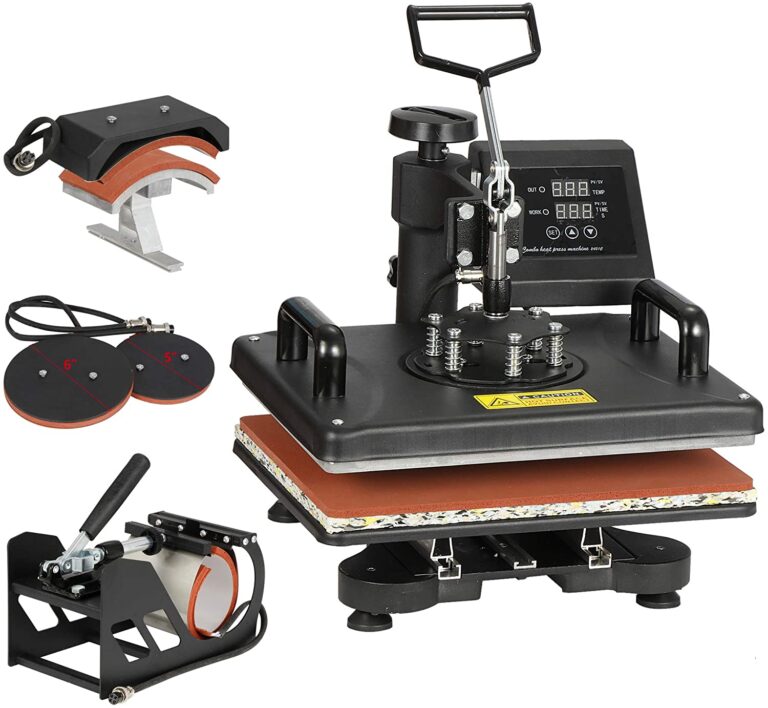
Heat press (including heat transfer vinyl and DTF transfers) and embroidery serve the same basic goal but differ significantly in setup cost, per-unit cost at different volumes, visual output, and durability. Understanding where each method excels helps you choose the right approach.
Setup Cost Comparison
Entry-level heat press equipment starts around $200-$400 for a basic clamshell press. A quality mid-range production press runs $600-$1,200. Entry-level embroidery equipment starts at $300-$600 for a basic home machine. Production-capable single-needle machines are $800-$2,500. Multi-needle commercial machines start at $4,000-$5,000.
Per-Unit Cost
Heat press transfers are cost-effective for small quantities of multi-color, complex designs. A DTF transfer costs $1-$3 per print, making 12-color designs economical for 1-20 piece runs. Embroidery has higher setup time but lower per-unit material cost at volume. Thread and stabilizer for a standard logo costs $0.30-$0.80 per piece regardless of color count, which becomes very attractive at 50+ pieces.
Durability
Well-applied embroidery is essentially permanent. Stitched thread does not peel, fade, or crack the way heat transfer applications can. After 50+ washes, quality embroidery looks essentially the same as when first applied. Heat transfers show some degradation over repeated washing over time.
Which to Choose
If you primarily serve customers who want branded workwear, team uniforms, and corporate merchandise with 3-6 color logos in 12-50 piece runs, embroidery is the more appropriate primary method. If you serve customers wanting full-color graphics, individual-name personalization, or very small runs of complex artwork, heat press is more flexible. Many successful decoration businesses offer both methods.