How to Use a Heat Press With an Embroidery Machine for Combo Products
This post contains affiliate links. As an Amazon Associate, Latest Embroidery earns from qualifying
purchases, at no extra cost to you. Learn more.
Why Combine Heat Press and Embroidery?
Short on time? If you only take one thing from this guide: Brother SE700 — the machine we point most beginners to — touchscreen, wireless transfer, and it sews as well as embroiders.
Using both a heat press and an embroidery machine in the same workflow allows you to offer decoration options that neither technique can handle alone. Full-color photorealistic graphics, large multicolor backgrounds, names and numbers in variable data, and design elements with smooth gradients are all better handled by heat transfer techniques. Bold logos, text, dimensional accents, and premium-feeling branded elements are better handled by embroidery. Combining them on a single product creates merchandise that stands out from products decorated with only one technique.
Common Combo Product Types
T-shirts with DTF-printed full-color artwork plus an embroidered name or number are popular in youth sports markets. Bags with a heat-transferred full-color design on one panel and an embroidered monogram on the other give a premium, customized feel. Corporate polo shirts with an embroidered chest logo plus a heat-transferred event name on the sleeve are used for conferences and corporate events. Hoodies with large back prints via DTF and an embroidered front logo combine the impact of full-color printing with the quality signal of embroidery.
Workflow Sequence
Always embroider first, then apply heat transfers. Embroidery requires hooping the garment, which can disturb or damage heat transfer vinyl or DTF prints that have already been applied. The heat and pressure of embroidery machine operation (even without the hoop contact) can also cause applied heat transfers to shift or bond improperly if they are not fully cured. Completing embroidery first eliminates this risk.
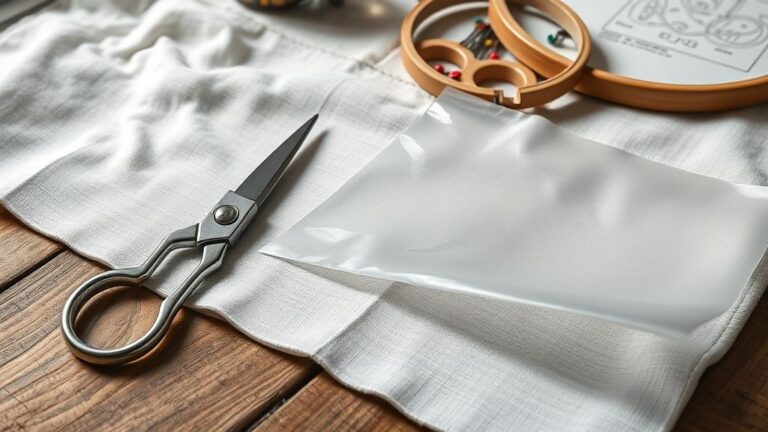
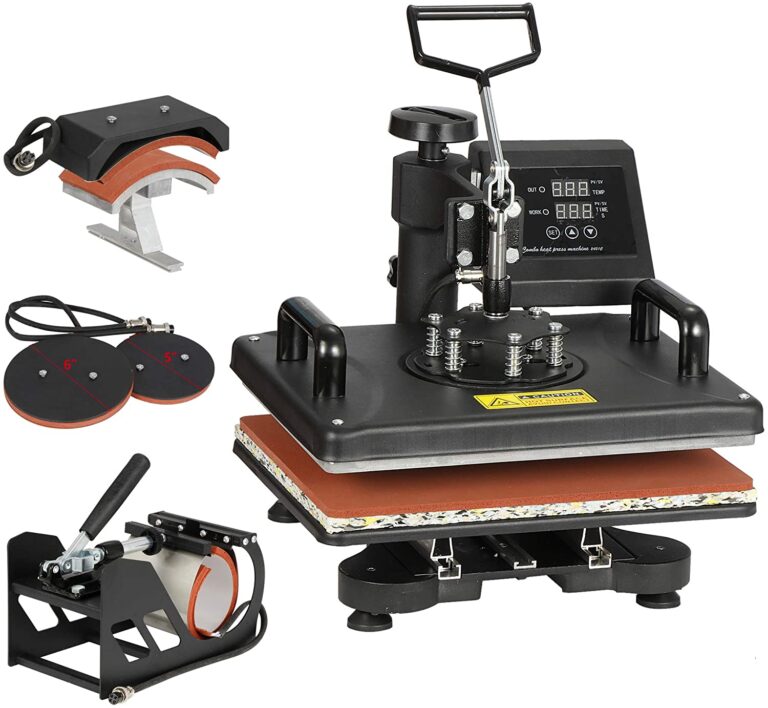
When applying heat transfers after embroidery, use a silicone press pad or Teflon sheet between the transfer and the embroidered area to prevent the heat press platens from flattening the embroidery texture. Apply heat to the transfer areas only, avoiding direct pressure on completed embroidery.
Pricing Combo Products
Combo products require adding together the decoration time and material cost from both techniques. Calculate the embroidery cost (thread, stabilizer, machine time) and the heat transfer cost (transfer sheet or print cost, press time) separately, then add a setup fee for the additional steps involved in the combined workflow. Combo products typically command higher prices than single-technique decoration because the result is visually richer and perceived as more premium by customers.