How to Create Gradient Effects in Machine Embroidery
This post contains affiliate links. As an Amazon Associate, Latest Embroidery earns from qualifying
purchases, at no extra cost to you. Learn more.
Can Machine Embroidery Do Gradients?
Short on time? If you only take one thing from this guide: Brother SE700 — the machine we point most beginners to — touchscreen, wireless transfer, and it sews as well as embroiders.
Gradient effects in machine embroidery are achievable but require specific techniques because thread is not a continuous colorant like ink or paint. True seamless gradients — where one color fades imperceptibly into another — are not directly replicable in machine embroidery. However, several techniques produce convincing gradient-like effects that work beautifully in finished embroidery. Understanding the range of approaches helps you choose the method best suited to your design and available tools.
Thread Blending (Needle Painting)
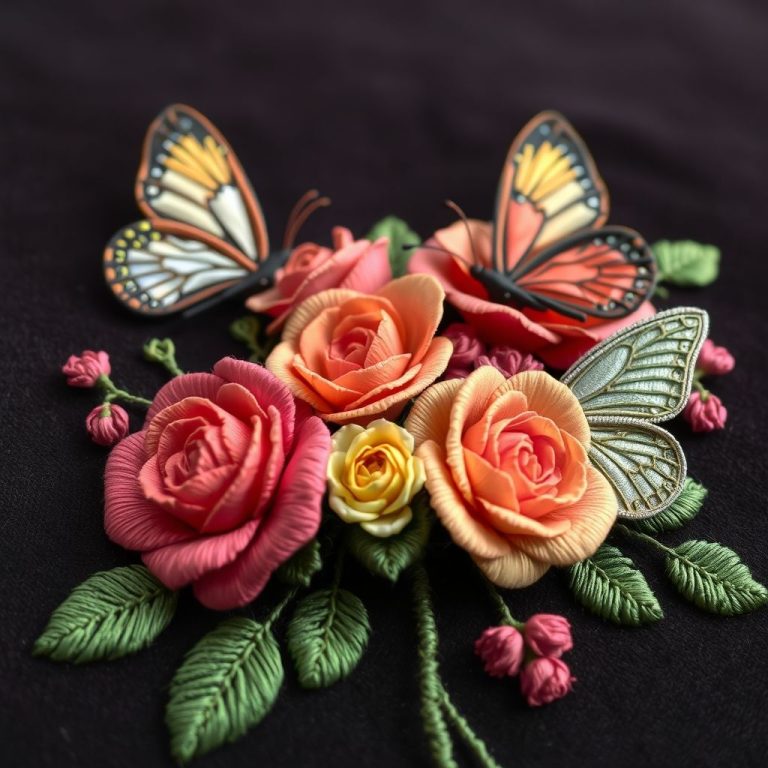
Thread blending is the closest machine embroidery equivalent to true hand-painted gradients. In this technique, multiple thread colors are sequenced in alternating short sections across the gradient area, creating a visual blend through optical mixing — similar to how a halftone image creates the impression of gray by alternating black and white dots. The result from a distance is a smooth-seeming color transition even though each stitch is a single solid color.
Digitizing for thread blending requires creating small, interlocking fill sections of alternating colors, with the proportion of each color shifting gradually across the design. This is a labor-intensive digitizing approach but produces impressive results for realistic portraiture and botanical designs.
Digital Gradient Simulation in Digitizing Software
Modern digitizing software (Hatch Embroidery, Wilcom EmbroideryStudio) includes gradient fill tools that automatically generate stitch patterns that simulate gradient effects. These tools divide a fill area into bands of different thread colors, with the band widths varying to create the appearance of a smooth transition. The output is more mechanical-looking than true thread blending but requires significantly less digitizing time and is appropriate for many logo and design applications.
Color Change Banding
The simplest gradient approach is color change banding: using multiple colors in parallel bands across a design area, with each band transitioning from darker to lighter (or one color to another). This creates a stepped gradient rather than a smooth one, but for geometric or graphic designs the stepped effect can actually be a design feature rather than a limitation. For text designs with gradient fills on caps and shirts, banded gradients are a popular and effective approach.
Specialty Thread Options for Gradient Effects
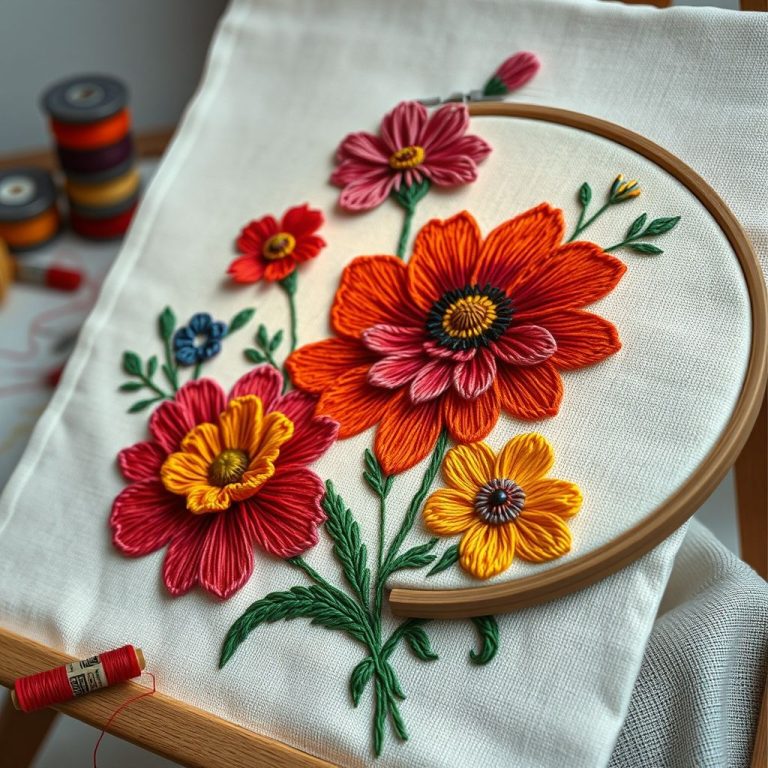
Variegated (multi-colored) embroidery thread creates automatic gradient-like effects as it stitches, because the thread color changes along its length. When stitched in parallel columns, variegated thread produces organic-looking color transitions without requiring multiple color changes or complex digitizing. The effect is less controllable than intentional gradient techniques but can produce beautiful results for certain design types, particularly florals, landscapes, and abstract designs.